
Buying your first home is an incredible milestone. You’ve finally got the keys, the excitement is real, and suddenly every room feels like the start of a new chapter.
Then reality arrives.
Your mortgage payment hits. Property taxes show up. Insurance premiums are due. Something starts leaking. You realize curtains, furniture, lawn equipment, and even a simple toolbox weren’t included with the house.
This is where first house budgeting becomes essential.
Many first-time homeowners assume their mortgage is their biggest expense. In reality, it’s only the beginning. A well-planned budget helps you stay ahead of surprise costs, protect your savings, and actually enjoy your new home instead of constantly worrying about money.
Here’s how to budget after buying your first house the smart way.
1. Rebuild Your Emergency Fund
If you made a large down payment, there’s a good chance your savings account took a hit.
Before spending money on cosmetic upgrades, make rebuilding your emergency fund the top priority.
Homeownership comes with unexpected expenses. Your water heater doesn’t care that you just moved in.
If you haven’t already, check out our guide on How to Build an Emergency Fund from Scratch and How to Rebuild Your Emergency Fund After Using It to get your savings back on track.
2. Your Mortgage Isn’t Your Only Housing Expense
One of the biggest mistakes in first house budgeting is assuming the mortgage payment tells the whole story.
Remember to budget for:
- Property taxes
- Homeowners insurance
- HOA fees (if applicable)
- Utilities
- Internet
- Lawn care
- Pest control
- Home security
- Regular maintenance
These recurring expenses can easily add hundreds of dollars to your monthly costs.
3. Create a Home Maintenance Fund
Financial experts often recommend setting aside around 1–2% of your home’s value annually for maintenance.
That money can cover things like:
- Roof repairs
- Plumbing issues
- HVAC servicing
- Appliance replacements
- Exterior repairs
Instead of treating repairs as emergencies, make them part of your monthly budget.
4. Don’t Buy Everything at Once
It’s tempting to furnish every room immediately.
But your home doesn’t need to look like a magazine during your first month.
Prioritize:
- Bed
- Dining table
- Essential kitchen items
- Curtains or blinds
- Basic tools
Everything else can wait.
Buying furniture gradually helps your budget—and gives you time to discover what your home actually needs.
5. Expect Higher Utility Bills
Many first-time buyers underestimate utility costs.
A larger space often means:
- Higher electricity bills
- Increased heating or cooling costs
- More water usage
- Higher internet requirements
Track these expenses for the first few months before adjusting your budget.
6. Review Your Insurance Coverage
Buying a house usually changes your financial picture.
Take time to review:
- Homeowners insurance
- Life insurance
- Disability insurance
- Umbrella liability coverage (if appropriate)
A quick review today can prevent expensive surprises later.
7. Avoid Lifestyle Inflation
Buying a home often triggers a spending spree.
People start purchasing:
- Premium furniture
- Designer décor
- Smart home gadgets
- Expensive landscaping
- Luxury appliances
Not everything needs to happen during your first year.
One purchase at a time is far easier on your finances.
8. Automate Your New Bills
Missing a mortgage payment can damage your credit score.
Consider automating:
- Mortgage
- Utilities
- Insurance
- Property tax savings (if not escrowed)
- Savings contributions
Automation also reduces the mental load of keeping track of multiple due dates.
9. Keep Saving for Other Goals
Owning a house shouldn’t mean every dollar goes toward your home.
Continue saving for:
- Retirement
- Vacations
- Future car replacement
- Education
- Investments
A balanced financial plan prevents your house from becoming your entire financial identity.
10. Track Your Spending for the First Six Months
Your first six months will reveal expenses you never expected.
Keep track of everything.
You’ll quickly identify categories that need larger allocations and areas where you’re overspending.
Our Ultimate Monthly Budget Checklist can help ensure nothing slips through the cracks.
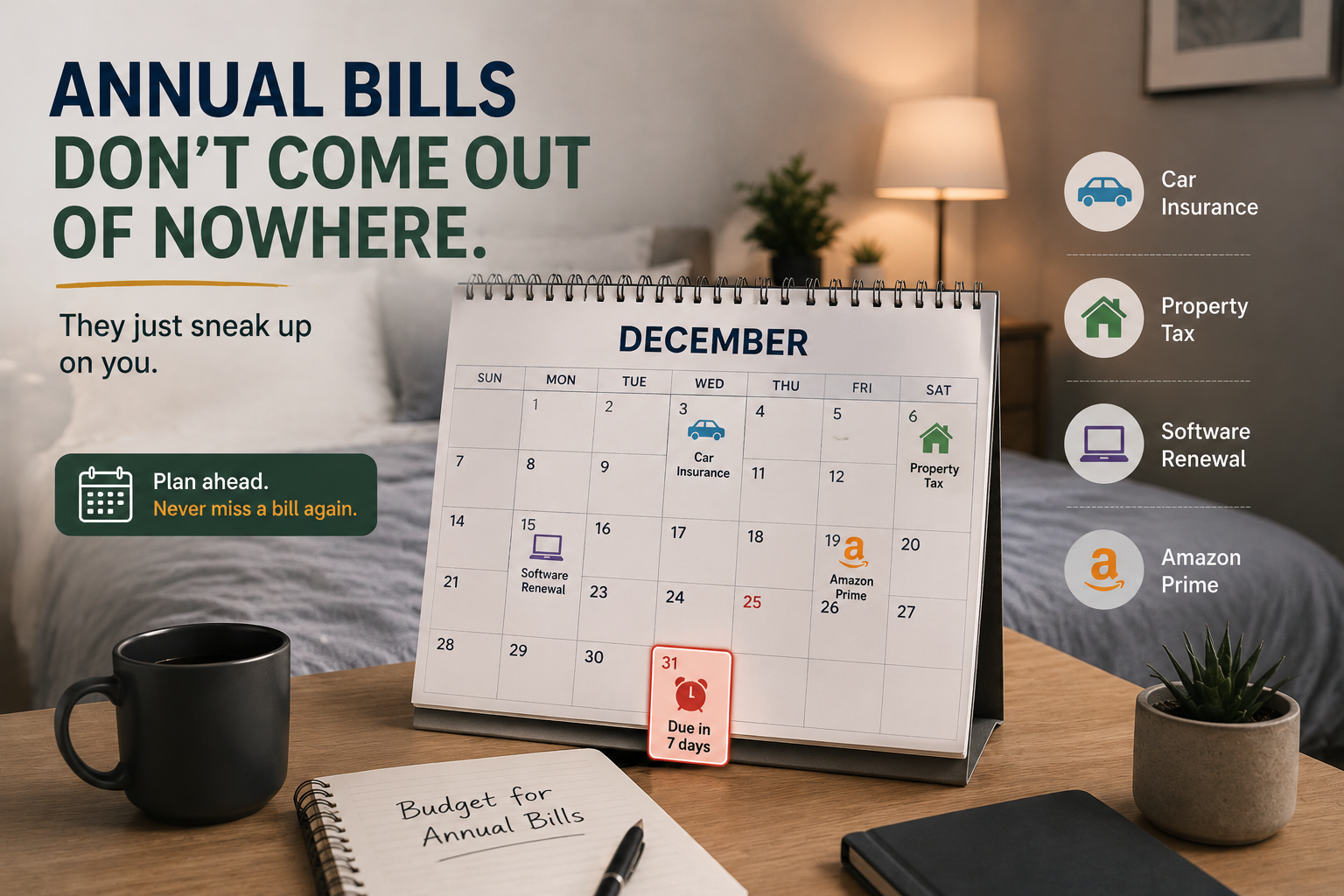
11. Don’t Forget Annual Expenses
Some homeownership costs only appear once a year.
Examples include:
- Property taxes
- HVAC servicing
- Gutter cleaning
- Roof inspections
- Tree trimming
- Home warranty renewals
Divide these annual costs by 12 and save a little every month.
This makes large bills much easier to handle.
12. Leave Room for Fun
Yes, your house needs money.
But your life still needs enjoyment.
A realistic budget includes:
- Dining out
- Entertainment
- Weekend trips
- Hobbies
Completely eliminating fun often leads to overspending later.
If you’re unsure how much to allocate, our guide on How Much Fun Money Should You Budget Without Wrecking Your Finances? offers practical advice.
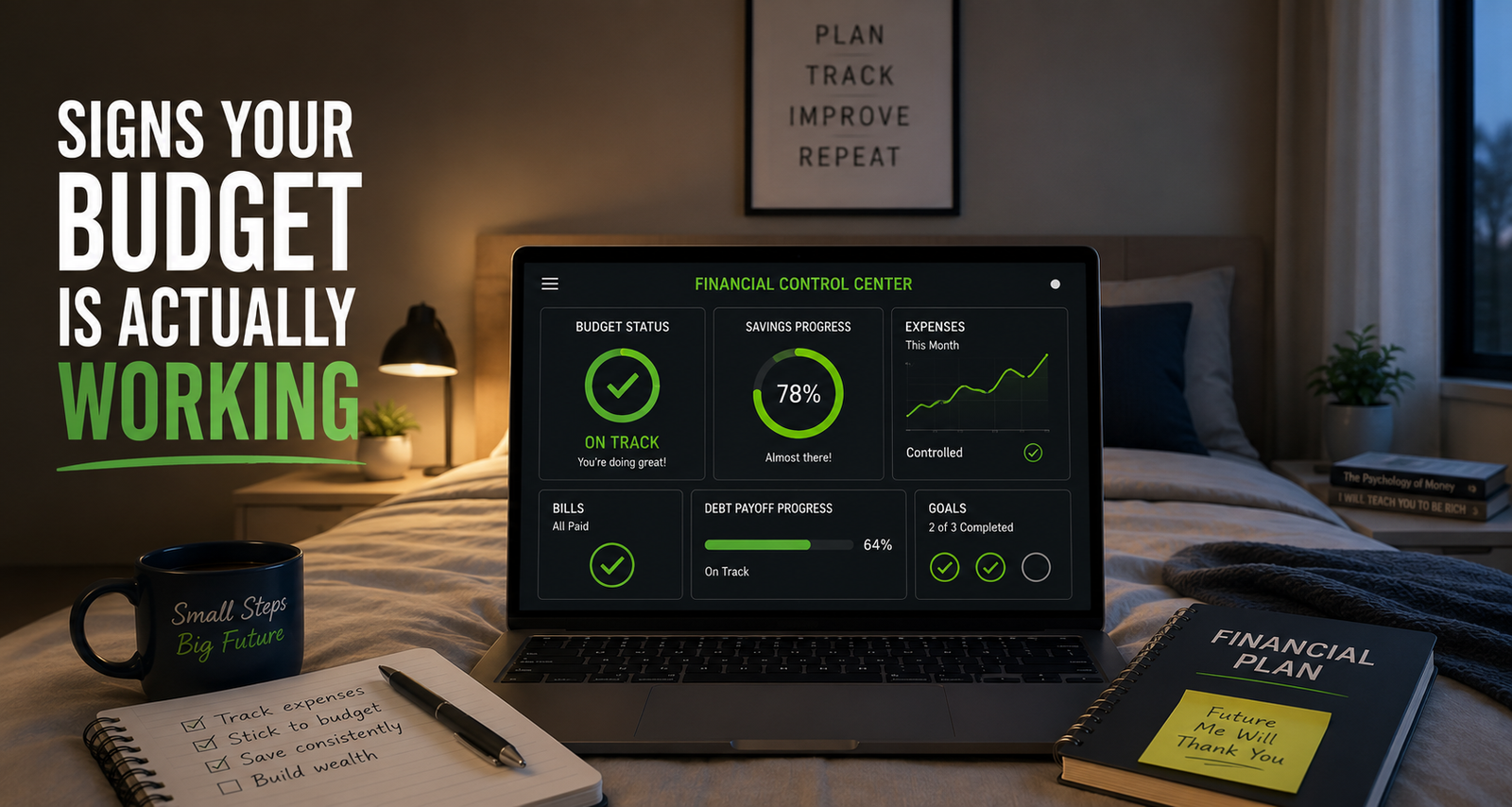
13. Review Your Budget Every Month
Your budget after buying a home isn’t something you create once and forget.
Your expenses will change as:
- Utility bills become predictable
- Maintenance costs appear
- Income changes
- Insurance premiums adjust
Reviewing your budget every month keeps you in control.
Using a monthly budget calculator makes these adjustments much easier.
Common First-Time Homeowner Budget Mistakes
Avoid these costly habits:
- Ignoring maintenance costs
- Spending your emergency fund on furniture
- Forgetting annual expenses
- Underestimating utilities
- Financing every home upgrade
- Neglecting retirement savings
- Not tracking monthly spending
- Trying to furnish every room immediately
Avoiding even a few of these mistakes can save thousands of dollars during your first year.
Final Thoughts
Buying your first home is exciting—but it’s also one of the biggest financial transitions you’ll ever make.
Good first house budgeting isn’t about saying no to everything. It’s about making room for the expenses that truly matter while protecting your long-term financial future.
The first year of homeownership comes with plenty of surprises. A solid budget ensures those surprises don’t become financial setbacks.
More Ways to Manage Your Money