Let’s be honest — most budgeting advice sounds like it was written for robots. Track every expense. Update spreadsheets daily. Categorize every coffee purchase. Remember payment dates. Check subscriptions monthly. For people who forget where they left their phone while holding it, that kind of budgeting system falls apart fast.
The good news? You do not need to become a perfectly organized finance guru to manage your money better. You just need a budgeting method designed for real people with messy schedules, busy brains, and zero interest in tracking every dollar manually. This simple budgeting system focuses on automation, fewer decisions, and building habits that work even when your memory doesn’t.
Why Traditional Budgeting Fails for Forgetful People
Most budgeting systems depend heavily on consistency and memory. The problem is that life gets chaotic. Bills get missed. Free trials turn into subscriptions. Impulse purchases happen at midnight. And suddenly your carefully planned monthly budget disappears into food delivery apps and random online shopping.
Forgetful people often struggle with budgeting because traditional systems create too many friction points. The more steps involved, the easier it becomes to stop using the system entirely. That is why complicated spreadsheets and detailed expense trackers rarely last more than two weeks for most people.
The solution is not “trying harder.” The solution is creating a low-maintenance budgeting system that works automatically in the background.
The “Set It and Forget It” Budgeting Method
This budgeting method is built around one simple goal: reduce the number of financial decisions you need to remember.
Instead of tracking every single expense manually, you automate the important parts first.
Here’s how it works.
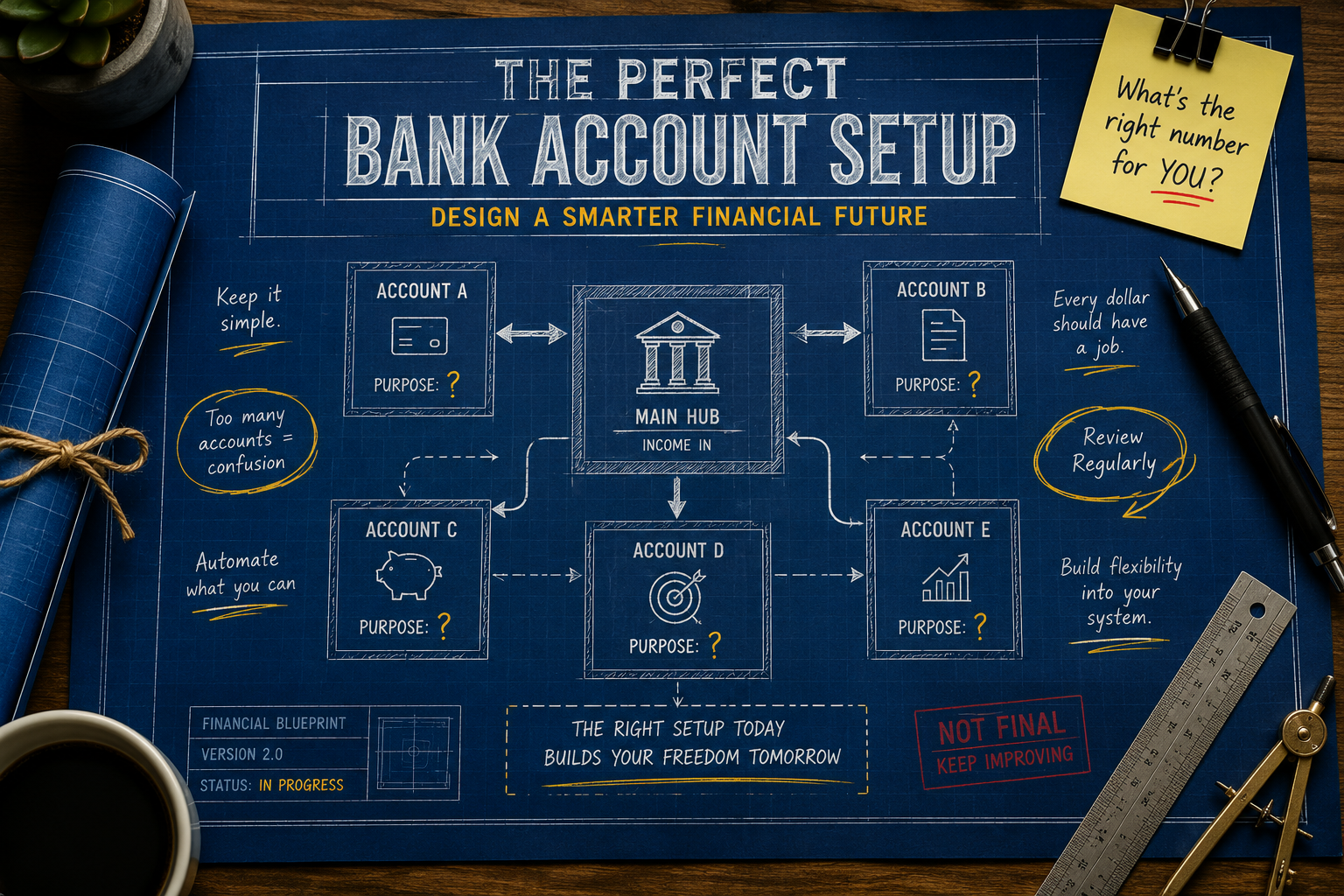
Step 1: Separate Your Money Into Different Accounts
One of the easiest ways to avoid overspending is separating your money the moment you get paid.
You can create:
A bills account
A spending account
A savings account
As soon as your salary arrives, transfer money automatically into each category. This removes the temptation to accidentally spend rent money on late-night food cravings or random online deals.
When your spending account runs low, that is your signal to slow down. No complicated math required.
Step 2: Automate Everything Possible
Forgetful people should never rely on memory for important financial tasks.
Set up:
Automatic bill payments
Auto-pay for credit cards
Automatic savings transfers
Subscription reminders
Low balance alerts
Automation turns budgeting from an active daily task into a passive system that manages itself. Even saving a small amount automatically every month can make a huge difference over time.
Step 3: Use the “24-Hour Rule” for Impulse Purchases
A huge budget killer for forgetful people is emotional spending. You see something online, buy it instantly, and regret it later.
The 24-hour rule is simple: If you want to buy something non-essential, wait 24 hours before purchasing it.
Most impulse purchases lose their excitement after a day. This tiny habit alone can save a surprising amount of money every month.
Step 4: Keep Your Budget Extremely Simple
Many people quit budgeting because they overcomplicate it.
You do not need:
47 spending categories
Daily spreadsheets
Color-coded finance dashboards
Advanced budgeting apps you stop opening after three days
A simple budget is easier to maintain long term.
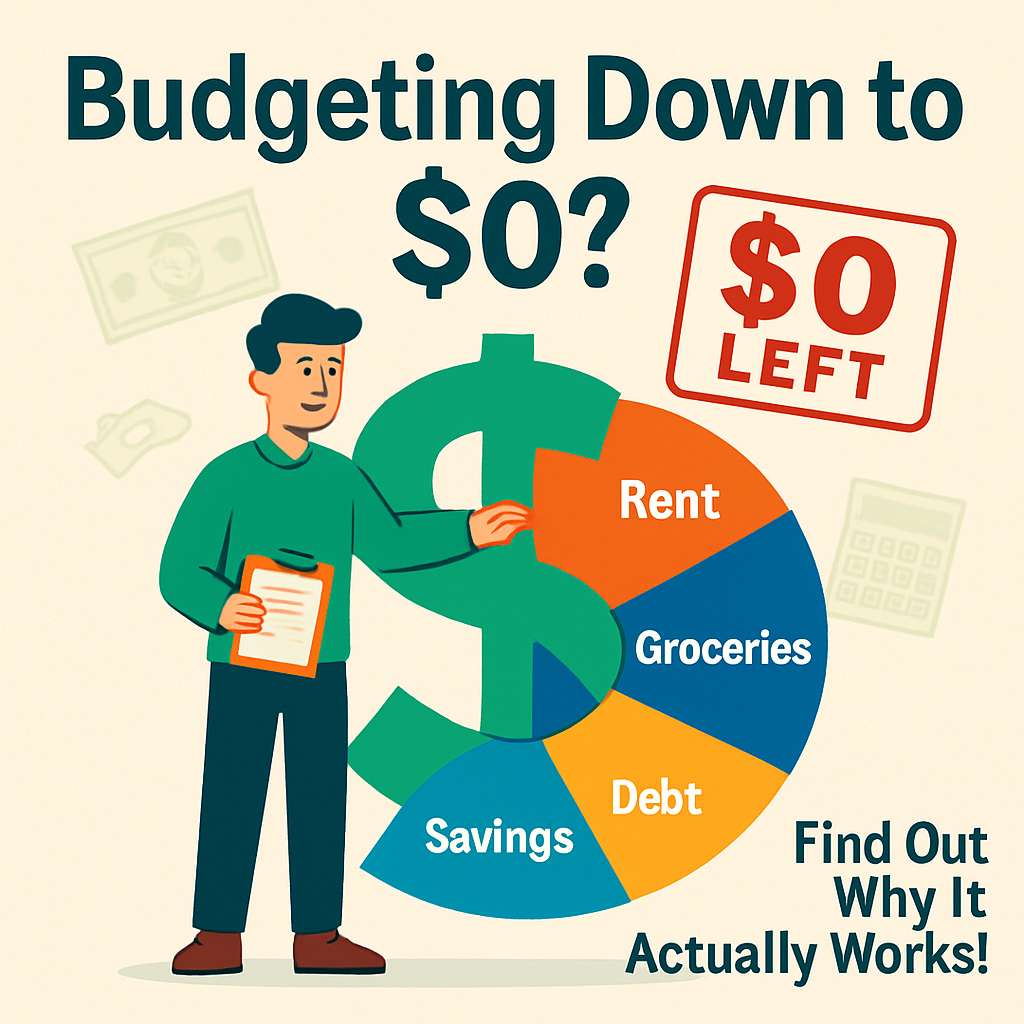
A good beginner structure looks like this:
Needs
Wants
Savings
That’s it.
The simpler your system is, the more likely you are to stick with it.
Step 5: Create “Forgetfulness Buffers”
Forgetful people should expect mistakes to happen occasionally.
That is why building tiny safety nets into your finances matters.
Examples include:
Keeping extra money in your checking account
Adding calendar reminders for important dates
Having an emergency fund
Setting spending alerts on your bank account
These small buffers prevent one forgotten payment from turning into a financial disaster.
The Real Secret to Successful Budgeting
Most people think successful budgeting comes from discipline. In reality, it often comes from designing systems that make good financial choices easier.
You are far more likely to succeed with a simple budgeting method you actually use than a perfect budgeting system you abandon after one week.
Forgetful people do not need more guilt. They need smarter systems.
Once your finances become more automated and less dependent on memory, budgeting starts feeling less stressful and much more sustainable.
Final Thoughts
If you constantly forget bills, overspend accidentally, or struggle to stick with complicated budgeting plans, you are not alone. Most people are not naturally organized with money.
The trick is building a budgeting system around your real habits instead of fighting against them.
A simple, automated, low-maintenance budget can help you save money, reduce stress, and feel more in control financially — even if you still forget why you walked into the kitchen five minutes ago.