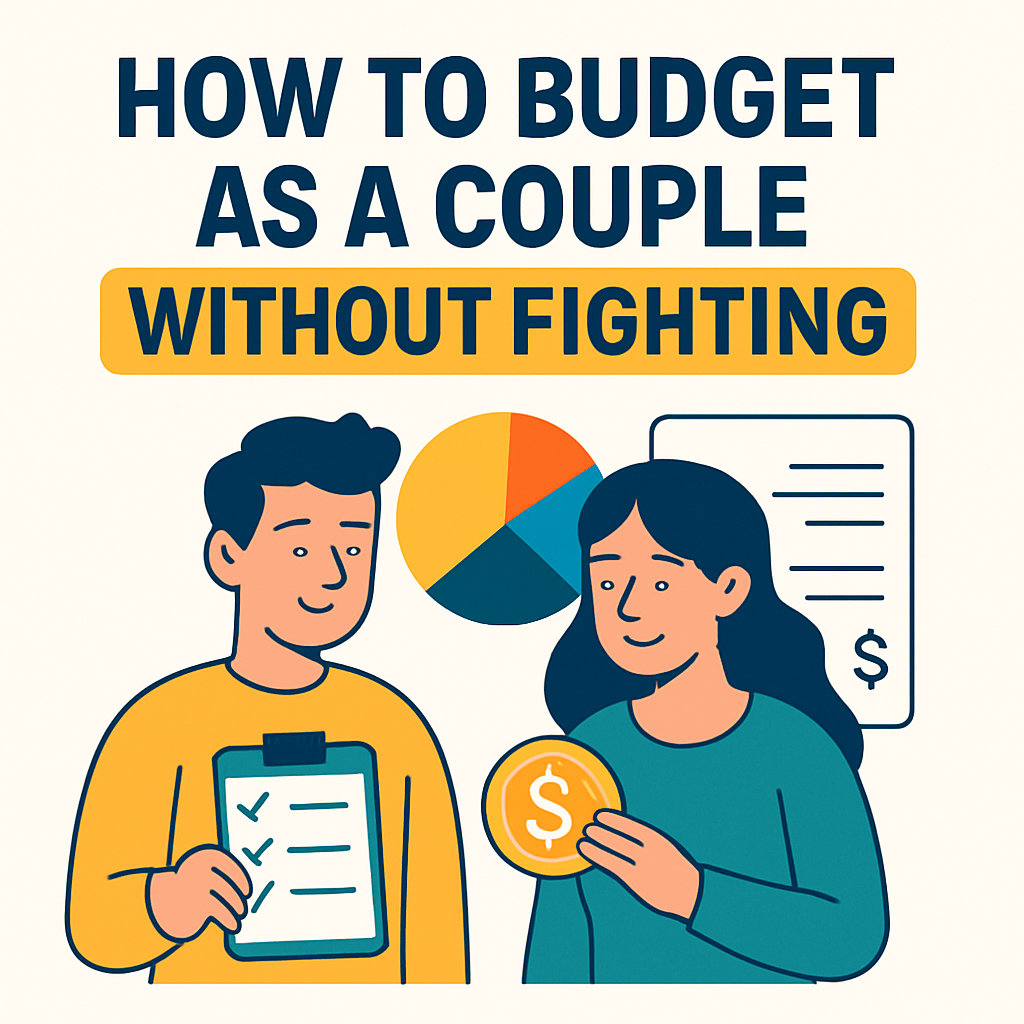
Money arguments in relationships aren’t always about big things like rent, loans, or savings. More often, it’s the small, everyday money habits that quietly build tension over time.
It’s not the $1,000 purchase that starts the fight — it’s the repeated $10–$30 decisions that feel unnecessary, unnoticed, or unfair. These tiny habits may seem harmless individually, but when they happen again and again, they can turn into major relationship stress.
Why Small Money Habits Cause Big Fights
The issue isn’t really the money — it’s what the spending represents.
One partner might see a purchase as normal, while the other sees it as wasteful. Over time, these differences create frustration, resentment, and constant small arguments.
And because these habits happen daily, they’re harder to ignore.
The Tiny Money Habits Couples Fight About the Most
1. Frequent Food Orders
Ordering food “just this once” quickly becomes a habit. One partner sees convenience, the other sees unnecessary spending.
2. Impulse Purchases
Buying things without planning — even small ones — can feel irresponsible to the other person, especially if budgeting is a priority.
3. Subscription Overload
From streaming platforms to apps, subscriptions quietly eat into your budget. The problem? Most couples don’t even track how many they’re paying for.
4. Not Tracking Expenses
One person tracks every dollar. The other just spends. This mismatch alone can create constant tension.
5. “It’s Just a Small Amount” Mentality
$5 here, $20 there — it doesn’t feel like much. But when one partner keeps justifying small expenses, it adds up and becomes a recurring issue.
6. Different Spending Priorities
One values experiences (eating out, travel), the other prefers saving or investing. Neither is wrong — but the difference creates friction.
7. Secret Spending
Hiding small purchases to avoid conflict might seem easier in the moment, but it breaks trust over time.
8. Unequal Contribution to Shared Expenses
Even small imbalances — like one person always paying for groceries or outings — can slowly build resentment.
How To Stop These Money Fights
You don’t need a perfect system — just a clear one.
1. Set a “No-Questions-Asked” Spending Limit
Give each other a fixed amount every month that can be spent freely — no explanations needed.
2. Track Expenses Together
Even a simple weekly check-in can make a huge difference. Awareness reduces arguments.
3. Agree on What Matters
Talk about priorities — saving, lifestyle, experiences — and find a middle ground.
4. Make Spending Visible
When both partners can see where money is going, it removes assumptions and blame.
5. Don’t Turn It Into a Power Struggle
The goal isn’t to “win” the argument — it’s to manage money as a team.
The Real Problem Isn’t Money
Most of these fights aren’t really about the amount being spent. They’re about communication, expectations, and habits.
Once you fix those, the money arguments naturally start to disappear.
Final Thoughts
Tiny money habits might seem too small to matter — but in relationships, they matter the most.
Because it’s not the big financial decisions that cause daily stress. It’s the small, repeated ones that slowly add up — both in your budget and in your relationship.