These phrases appear everywhere — from car dealerships and furniture stores to smartphones, appliances, and online shopping checkouts. On the surface, affordable monthly payments sound harmless and convenient. But in many cases, they can quietly encourage people to spend far more money than they originally planned.
Financially smart people understand that focusing only on the monthly payment instead of the total cost can become a dangerous financial habit.
Here’s why “affordable monthly payments” can sometimes be far more expensive than they appear.
Monthly Payments Make Expensive Purchases Feel Smaller
One of the biggest psychological tricks behind financing is simple: breaking a large price into smaller chunks makes it feel easier to accept.
A $2,400 purchase may feel expensive upfront. But suddenly it sounds manageable when advertised as “just $67 a month.”
The problem is that your brain starts focusing on the monthly amount instead of the actual total cost.
This often leads people to buy things they normally wouldn’t purchase if they had to pay the full amount immediately.
Longer Payment Terms Usually Mean Paying More
Low monthly payments often come with extended repayment periods.
For example:
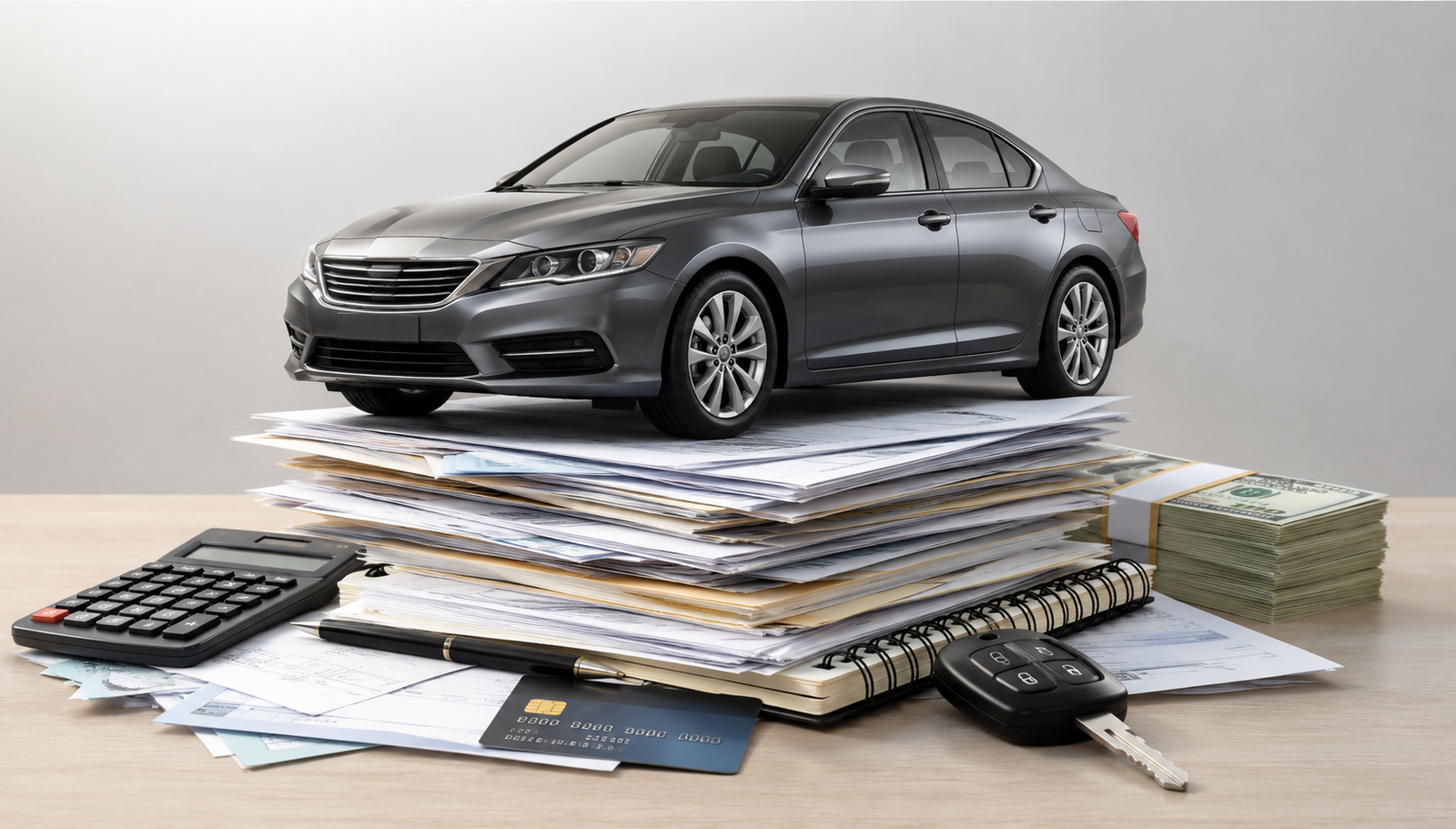
a car loan stretched from 3 years to 7 years
furniture financed over 60 months
smartphones paid over several years
While the monthly bill becomes smaller, the total amount paid usually increases because of interest and fees.
Many people end up paying significantly more simply to make the payment “feel affordable.”
Interest Quietly Increases the Total Cost
Interest is where financing becomes especially misleading.
Even if the monthly payment seems low, interest charges can dramatically increase the final price over time.
A product that originally costs $1,000 may eventually cost $1,300 or more once interest is added.
This is why financially smart people focus heavily on:
total repayment amount
interest rate
loan term
hidden fees
—not just the monthly payment itself.
Small Payments Add Up Faster Than Most People Realize
One monthly payment rarely feels overwhelming by itself.
But modern life is filled with financed purchases:
car payments
phone financing
streaming subscriptions
furniture payments
buy-now-pay-later purchases
credit card balances
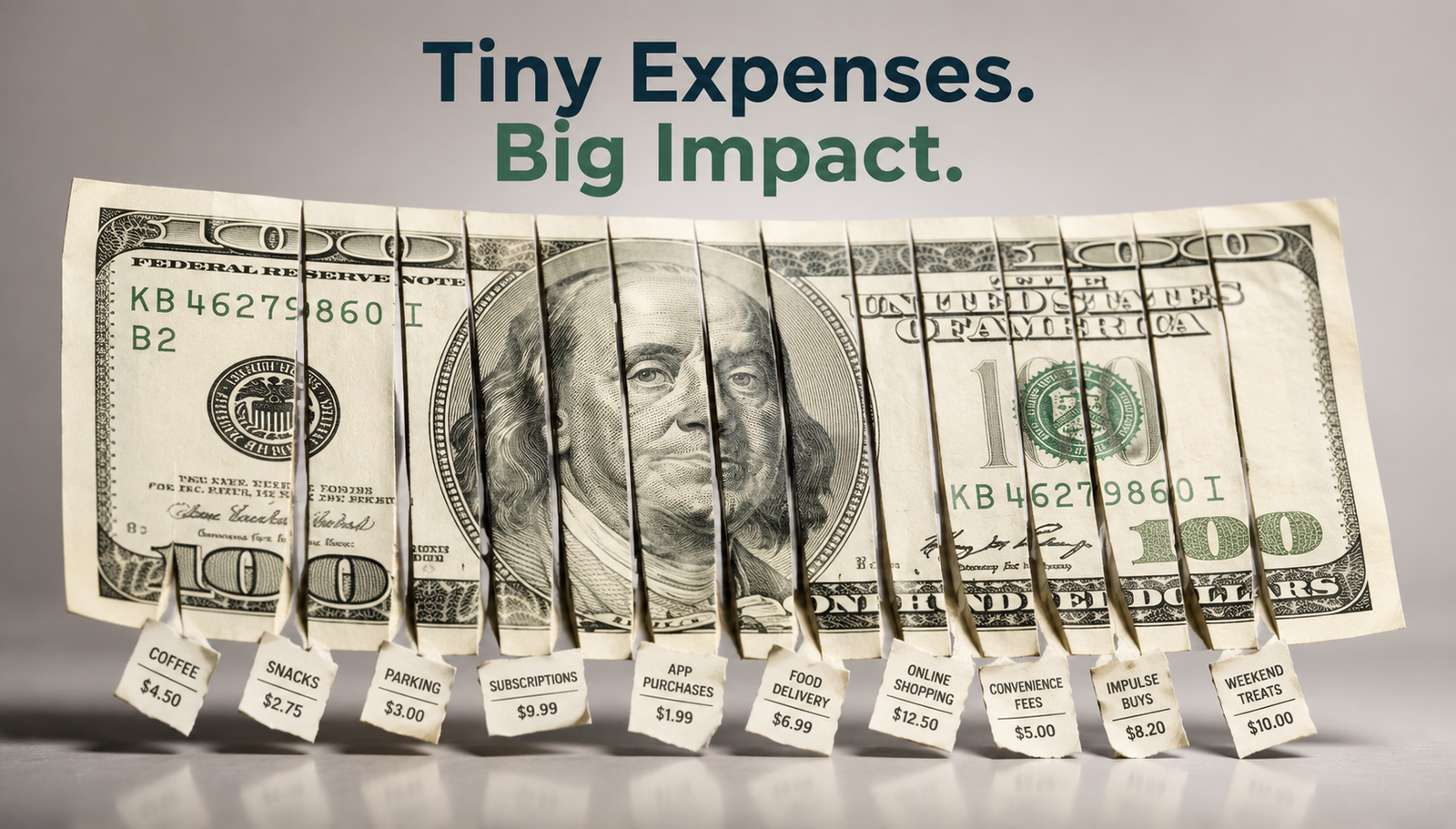
Individually they may look manageable. Combined, they can quietly consume a huge portion of your monthly income.
This is one reason many people feel financially stressed despite earning decent salaries.
“Buy Now, Pay Later” Can Encourage Overspending
Many companies now offer instant financing during checkout with almost no friction.
Because payments are delayed or divided into smaller amounts, people often spend more impulsively than they normally would.
Psychologically, it reduces the pain of spending money upfront.
Unfortunately, multiple small financing plans can quickly stack together and become difficult to manage.
Affordable Payments Can Create a False Sense of Wealth
One of the biggest dangers of payment-focused spending is that it can make people feel financially comfortable when they’re actually becoming financially overextended.
Someone may appear able to “afford”:
a luxury car
expensive furniture
premium electronics
designer products
—but in reality, they may simply be financing everything through monthly debt obligations.
True affordability is based on financial stability, not just the ability to make another monthly payment.
Debt Reduces Future Financial Flexibility
Every financed purchase reduces future cash flow.
The more monthly obligations you take on, the harder it becomes to: