Financial experts often recommend saving three to six months of expenses.
But is that really the right number for everyone?
Not necessarily.
The truth is, the ideal emergency fund amount depends on your lifestyle, income stability, family responsibilities, and how comfortable you are with risk. While some people may sleep well with three months of savings, others might need a year or more.
Here’s how to figure out what works best for you.
What Is an Emergency Fund?
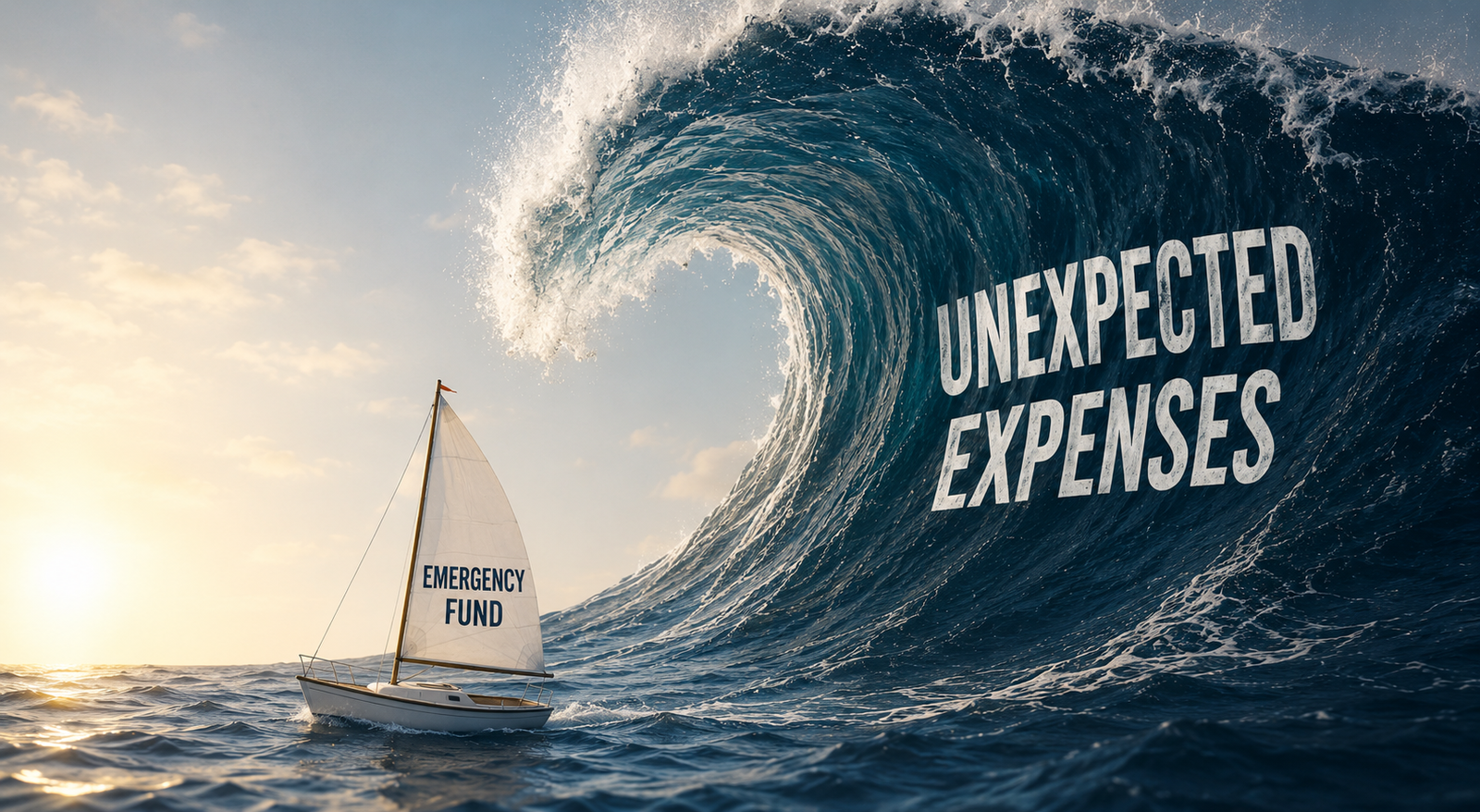
An emergency fund is money set aside specifically for unexpected expenses, such as:
- Job loss
- Medical bills
- Car repairs
- Home repairs
- Emergency travel
- Unexpected pet expenses
An emergency fund is not meant for vacations, shopping, or planned expenses. Think of it as financial insurance that protects you from going into debt when life throws a curveball.
The Traditional Rule: Three to Six Months
The commonly recommended guideline is to save enough money to cover three to six months of essential living expenses.
For example, if your monthly necessities add up to:
- Rent: $1,500
- Groceries: $500
- Utilities: $250
- Insurance: $250
- Transportation: $300
Your essential expenses are roughly $2,800 per month.
That means:
- Three-month emergency fund = $8,400
- Six-month emergency fund = $16,800
While this rule works for many people, it’s not a one-size-fits-all solution.
When Three Months May Be Enough
You may only need three months of expenses if:
- You have a stable job.
- You have dual household incomes.
- You don’t have children.
- You have low monthly expenses.
- You have little debt.
People with highly secure employment often don’t need an excessively large emergency fund.
When You May Need Six to Twelve Months
Consider saving more if:
- You’re self-employed.
- You work on commission.
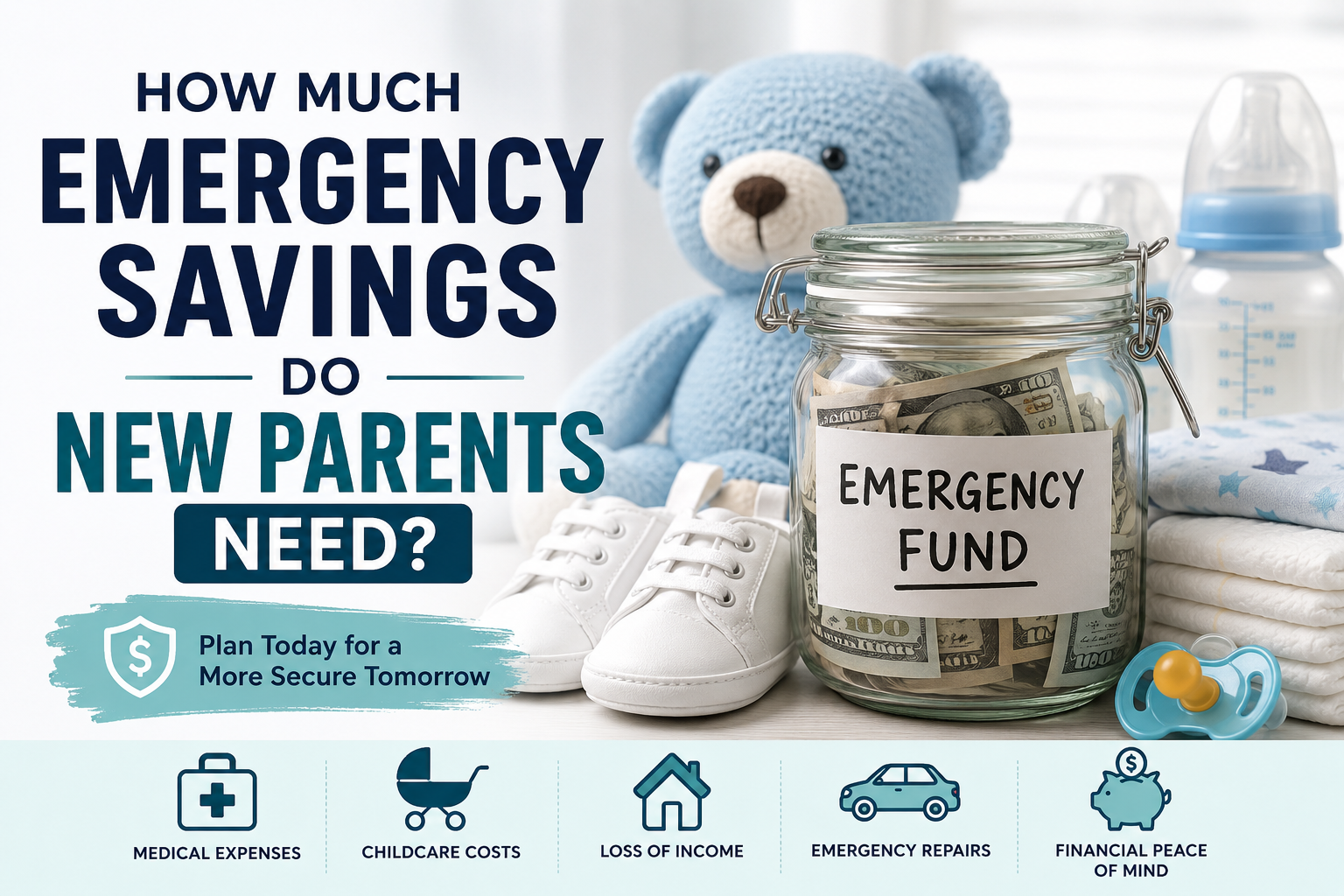
- You have children.
- You’re the sole breadwinner.
- Your industry is unstable.
- Your income fluctuates.
Replacing income can take longer than expected, especially during economic downturns.
A Better Approach: Start With $1,000
Trying to save six months of expenses immediately can feel overwhelming.
Instead, aim for milestones:
Step 1: Save $1,000
This covers most small emergencies.
Step 2: Build One Month of Expenses
Having one month’s worth of expenses creates breathing room and reduces paycheck-to-paycheck stress.
Step 3: Reach Three Months
This level provides meaningful protection against larger setbacks.
Step 4: Expand to Six Months or More
Increase your emergency fund amount based on your personal situation and risk tolerance.
Don’t Forget Inflation
Many articles overlook an important detail.
Your emergency fund should evolve over time.
As your expenses increase, so should your savings target.
Review your emergency fund at least once a year and adjust it if:
- You move to a more expensive home.
- You have children.
- Your insurance costs rise.
- Your monthly bills increase.
Where Should You Keep Your Emergency Fund?
The ideal place is somewhere safe and easily accessible.
Good options include:
- High-yield savings accounts
- Money market accounts
- Short-term certificates of deposit
- Cash management accounts
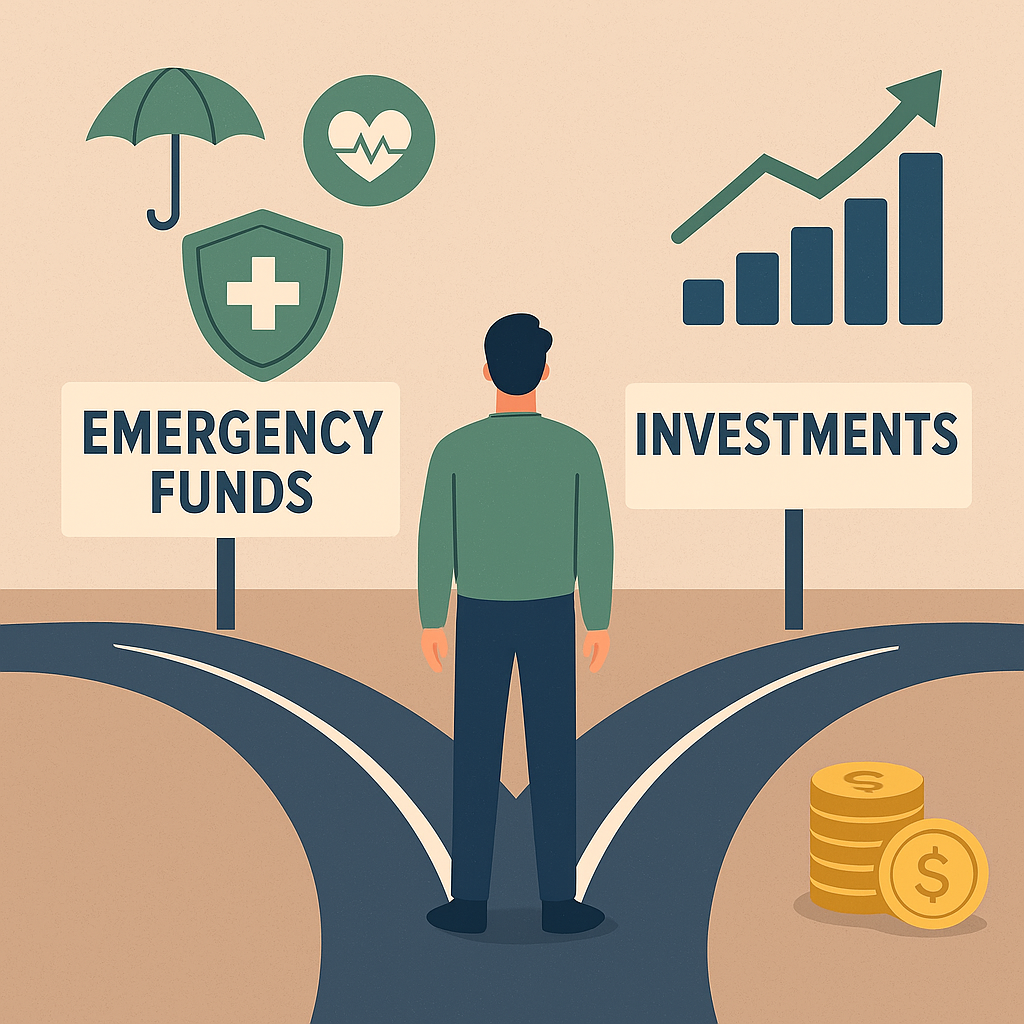
Avoid investing emergency funds in stocks or cryptocurrencies. Emergencies don’t wait for the market to recover.
Mistakes People Make
Saving Too Little
A small emergency fund can disappear quickly after a major expense.
Saving Too Much
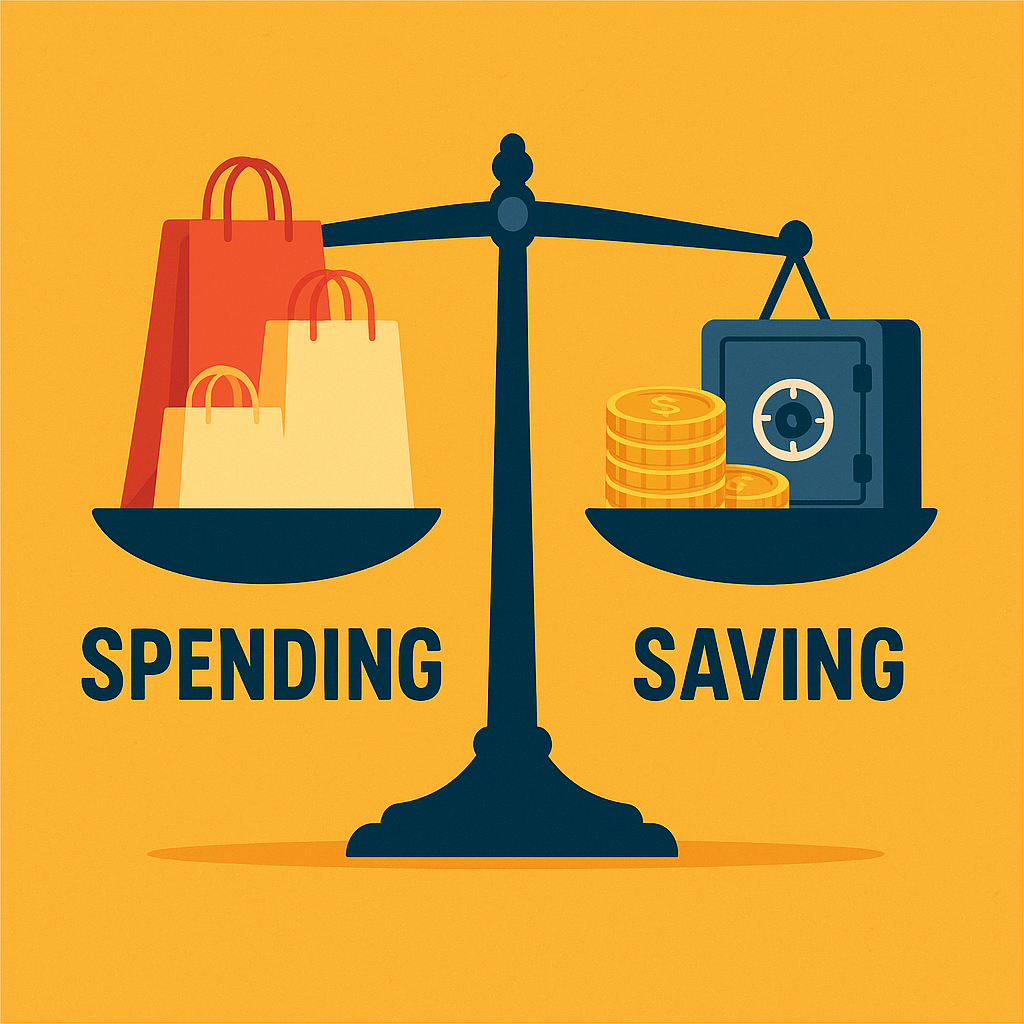
Keeping excessive cash can slow down long-term wealth building. Once your emergency fund is fully funded, extra money may be better invested.
Using It for Non-Emergencies
A new phone, holiday gifts, or concert tickets don’t qualify as emergencies.
Not Replenishing It
After using emergency savings, make rebuilding it a priority.
So, How Much Emergency Fund Do You Really Need?
The answer depends on your situation.
Stable job and dual income?
Three months of expenses may be enough.
Single income or self-employed?
Six to twelve months may provide greater peace of mind.
Just getting started?
Focus on your first $1,000 and build gradually.
Ultimately, the best emergency fund amount is the one that allows you to handle unexpected events without relying on debt or losing sleep.
Because the purpose of an emergency fund isn’t to make you rich.
It’s to keep a temporary problem from becoming a financial disaster.