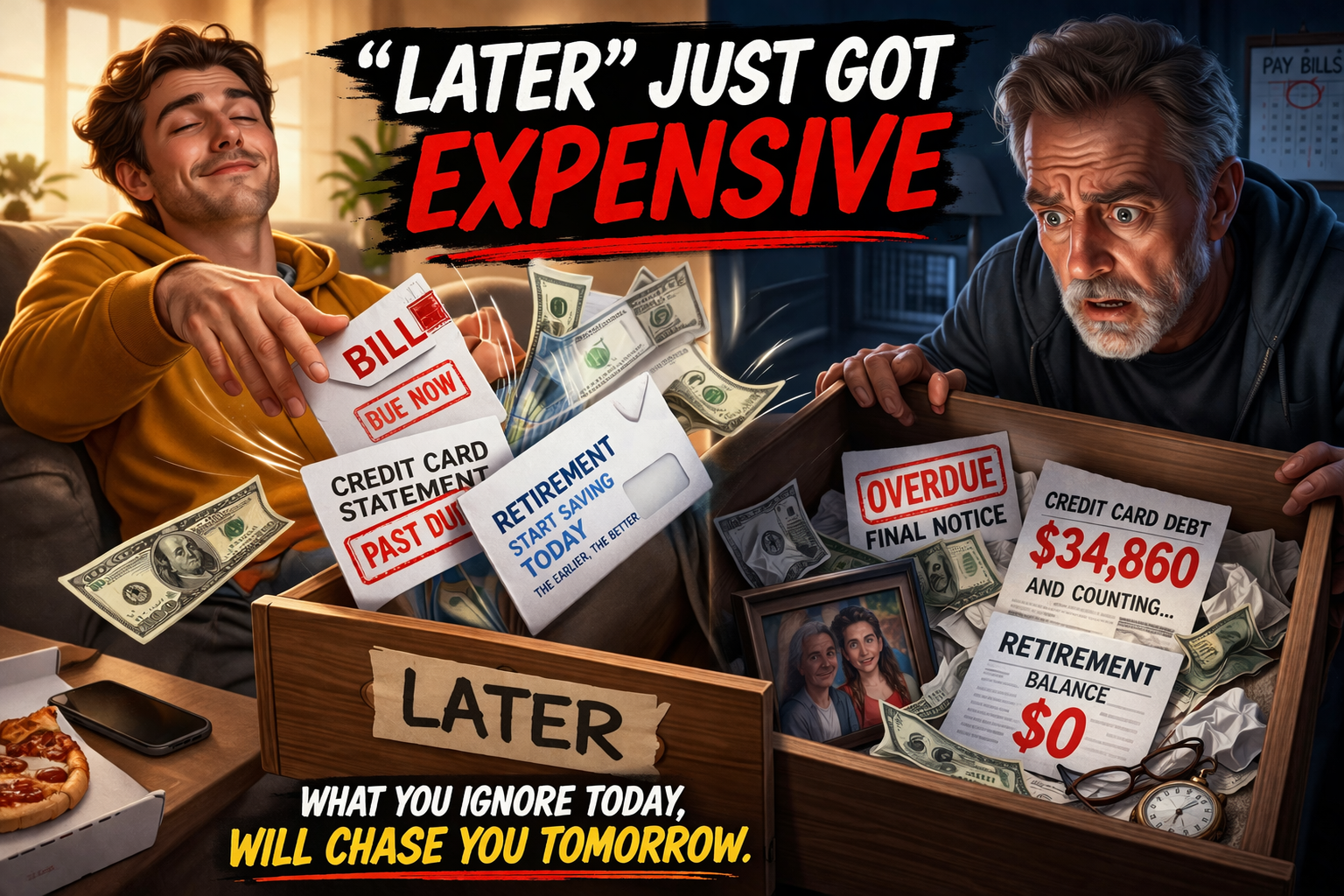
Graduating and getting your first real paycheck feels like finally unlocking adult life. Suddenly, there’s money coming in, bills to pay, and plenty of tempting ways to spend it. That new salary can feel surprisingly large—until rent, subscriptions, food, loans, and random “I deserve this” purchases start eating it alive.
The good news? You don’t need to be a financial genius to avoid money problems. You just need to dodge a few common mistakes early on. Here are 11 money mistakes every new grad should avoid before their finances turn into a dumpster fire.
1. Spending Your Entire First Paycheck
Your first paycheck deserves a little celebration. Buying something nice isn’t the problem; treating every paycheck like a bonus is.
Before increasing your spending, figure out how much actually needs to go toward rent, groceries, transportation, bills, debt, and savings. Give yourself some fun money, but don’t let your entire salary disappear before the next payday.
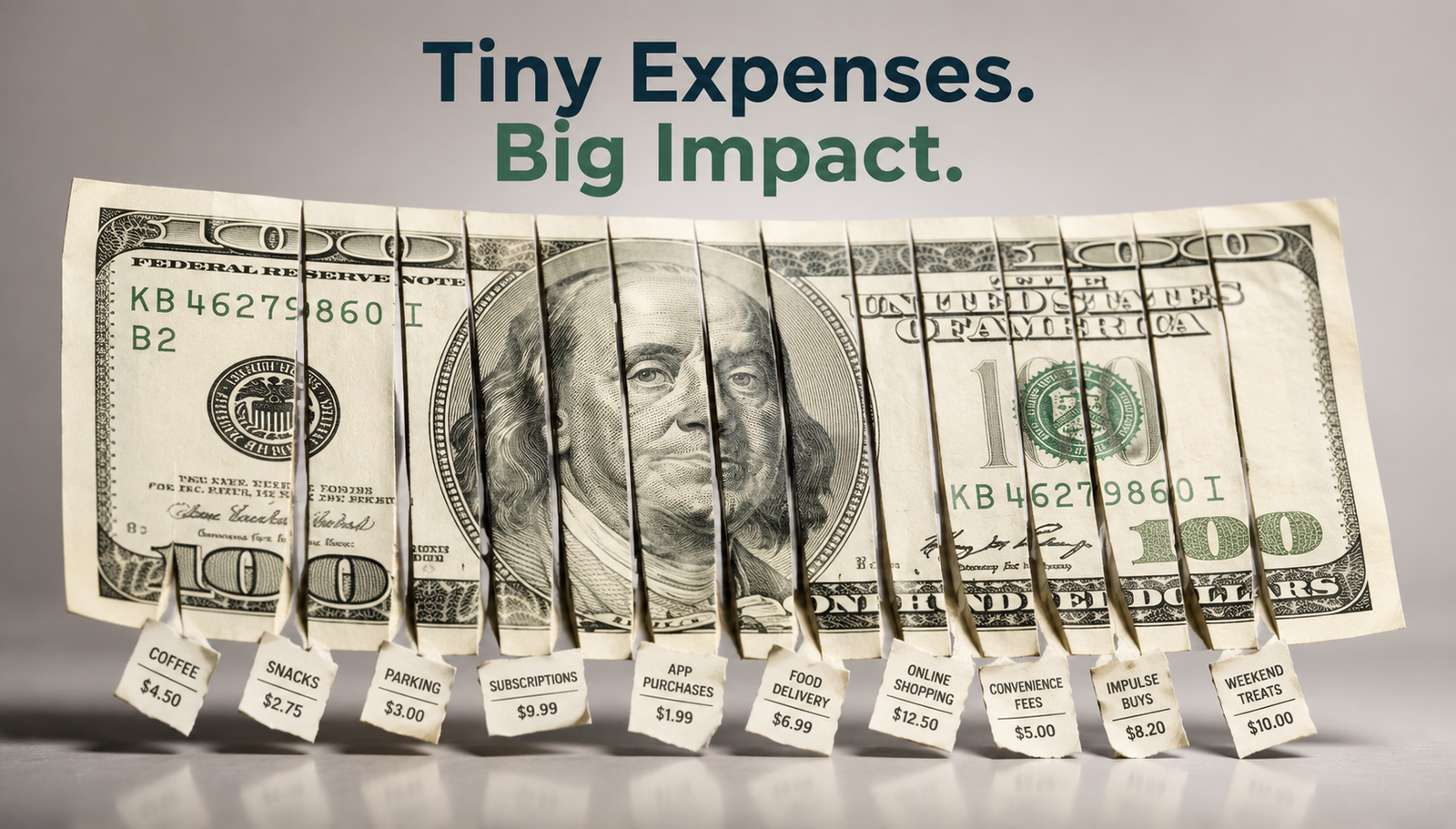
Without a budget, small purchases can quietly consume a surprising chunk of your income. Food delivery, subscriptions, shopping, weekend plans, and random online purchases may not look dangerous individually, but together they can wreck your cash flow.
Create a simple monthly budget that tells every dollar where it should go.
3. Letting Lifestyle Inflation Take Over
You get a raise, and suddenly your old phone looks embarrassing, your perfectly good car feels ancient, and that cheaper apartment somehow becomes unacceptable.
Lifestyle inflation happens when your spending rises every time your income does. Enjoying a better lifestyle isn’t wrong, but increasing your expenses as quickly as your salary increases can keep you financially stuck.
When your income goes up, increase your savings and investments too.
4. Renting More Apartment Than You Can Afford
That gorgeous apartment with the rooftop pool may look incredible on Instagram. Your bank account may have a different opinion.
Housing is usually one of the biggest expenses in a budget, so choosing an apartment based on your maximum possible rent can leave very little room for everything else.
Don’t just consider rent. Factor in utilities, internet, transportation, deposits, furniture, and other housing costs before signing the lease.
5. Treating Credit Cards Like Free Money
A credit card can be useful. It can also turn a $100 shopping spree into a much more expensive lesson.
The biggest mistake is spending based on your credit limit instead of your actual income. If you can’t comfortably afford something with the money you have, putting it on a credit card doesn’t magically make it affordable.
Whenever possible, pay your balance in full and avoid carrying expensive revolving debt.
6. Ignoring Your Student Loans
Student loans can be easy to ignore when you’re busy adjusting to your new job and new life.
Don’t.
Understand how much you owe, your interest rate, your monthly payment, and the repayment terms. Put loan payments into your monthly budget just like rent or utilities.
Knowing exactly what you owe is far less stressful than discovering the details years later.
7. Having No Emergency Fund
Your car breaks down. Your laptop dies. Your apartment needs an unexpected repair. Your employer decides your job is no longer needed.
Life has an annoying habit of producing expenses at the worst possible time.
An emergency fund gives you breathing room when something goes wrong. Start with a manageable target, such as your first $500 or $1,000, and gradually work toward several months of essential expenses.
8. Ignoring Your Employer’s Benefits
Your salary isn’t necessarily the entire compensation package.
New graduates often overlook benefits such as retirement plans, employer matches, health insurance, flexible spending accounts, paid leave, and other workplace perks.
Take some time to understand what your employer actually offers. In particular, find out whether your employer provides a retirement contribution or match and what you need to do to receive it.
Free money is one workplace benefit worth paying attention to.
9. Waiting Too Long to Start Investing
You don’t need a six-figure salary before you can start investing.
One of the biggest advantages a new graduate has is time. Even relatively small amounts invested consistently can have decades to potentially grow through compounding.
That doesn’t mean you should invest money you’ll need for next month’s rent. Build a solid financial foundation first, then consider investing for long-term goals.
Starting small is still starting.
10. Signing Up for Every Subscription Known to Humanity
Streaming services. Music apps. Cloud storage. Fitness memberships. Food delivery subscriptions. Apps you used exactly twice.
Individually, these charges may seem harmless. Collectively, they can become a monthly financial leak.
Go through your bank and credit-card statements and look for recurring charges you barely remember approving. Cancel the ones you don’t use.
Your future self probably doesn’t need seven different streaming services.
Maybe you’re saving for an emergency fund, paying off loans, buying a car, traveling, moving into your own place, or investing for retirement. Having specific goals makes it easier to decide what deserves your money today and what can wait.
Even a simple plan can make your first few years of earning money dramatically less chaotic.
Final Thoughts
Your first job is an exciting financial milestone, but it can also be when some expensive habits begin. The goal isn’t to stop enjoying your money. It’s to make sure your lifestyle doesn’t consume every dollar you earn.
Start with the basics: create a monthly budget, control your fixed expenses, build an emergency fund, manage debt, take advantage of workplace benefits, and start saving for the future.
You don’t have to get everything perfect from day one. Avoiding a few major mistakes while building good money habits can put you years ahead financially.