How Much of Your Paycheck Should You Save? A Practical Guide

How Much of Your Paycheck Should You Save - FG.jpeg

Saving money sounds simple until the bills arrive, the grocery budget runs over, and an unexpected expense decides to show up at exactly the wrong time.

So, how much of your paycheck should you actually save?

A common starting point is 10% to 20% of your income, but the right amount depends on your expenses, debt, emergency fund, retirement goals, and how much money you have left after paying for necessities. The important thing isn’t hitting a magical number overnight. It’s building a savings rate you can maintain and gradually increasing it as your finances improve.


How to Pay Down Debt Without Putting Your Retirement on Hold

How to Pay Down Debt Without Putting Your Retirement on Hold - FG.png

Debt and retirement savings can feel like two financial goals fighting for the same dollar.

When you have credit card balances, personal loans, or other debt hanging over you, it’s tempting to forget about retirement until everything is paid off. But waiting too long to start saving for the future can create another problem later.

8 Money Moves That Can Put Your Finances on a Much Better Track

8 Money Moves That Can Put Your Finances on a Much Better Track - FG.jpeg

You don’t need a six-figure salary, a complicated investment strategy, or a perfectly optimized budget to improve your finances. In many cases, the biggest difference comes from making a few smart decisions consistently.

11 Money Mistakes Every New Grad Should Avoid Before They Wreck Their Finances

Money Mistakes Every New Grad Should Avoid Before They Wreck Their Finances - FG.jpeg

Graduating and getting your first real paycheck feels like finally unlocking adult life. Suddenly, there’s money coming in, bills to pay, and plenty of tempting ways to spend it. That new salary can feel surprisingly large—until rent, subscriptions, food, loans, and random “I deserve this” purchases start eating it alive.

Pay Yourself First Explained: The Simple Money Habit That Can Grow Your Savings

Pay Yourself First Explained - FG.png

Saving money often feels like what’s left over after paying rent, groceries, utility bills, and other monthly expenses. Unfortunately, for many people, there’s rarely anything left.

That’s where the “Pay Yourself First” strategy comes in. Instead of saving whatever remains at the end of the month, this approach flips the process: you save before paying for anything else.

Signs Your Budget Is Actually Working (Even If It Doesn’t Feel Like It)

Signs Your Budget Is Actually Working - FG.png

One of the biggest frustrations with budgeting is wondering whether it’s actually making a difference.

You spend less, track your expenses, and try to stick to your plan—but your bank balance doesn’t suddenly double overnight. It’s easy to assume your budget isn’t working when, in reality, the biggest improvements often happen quietly.

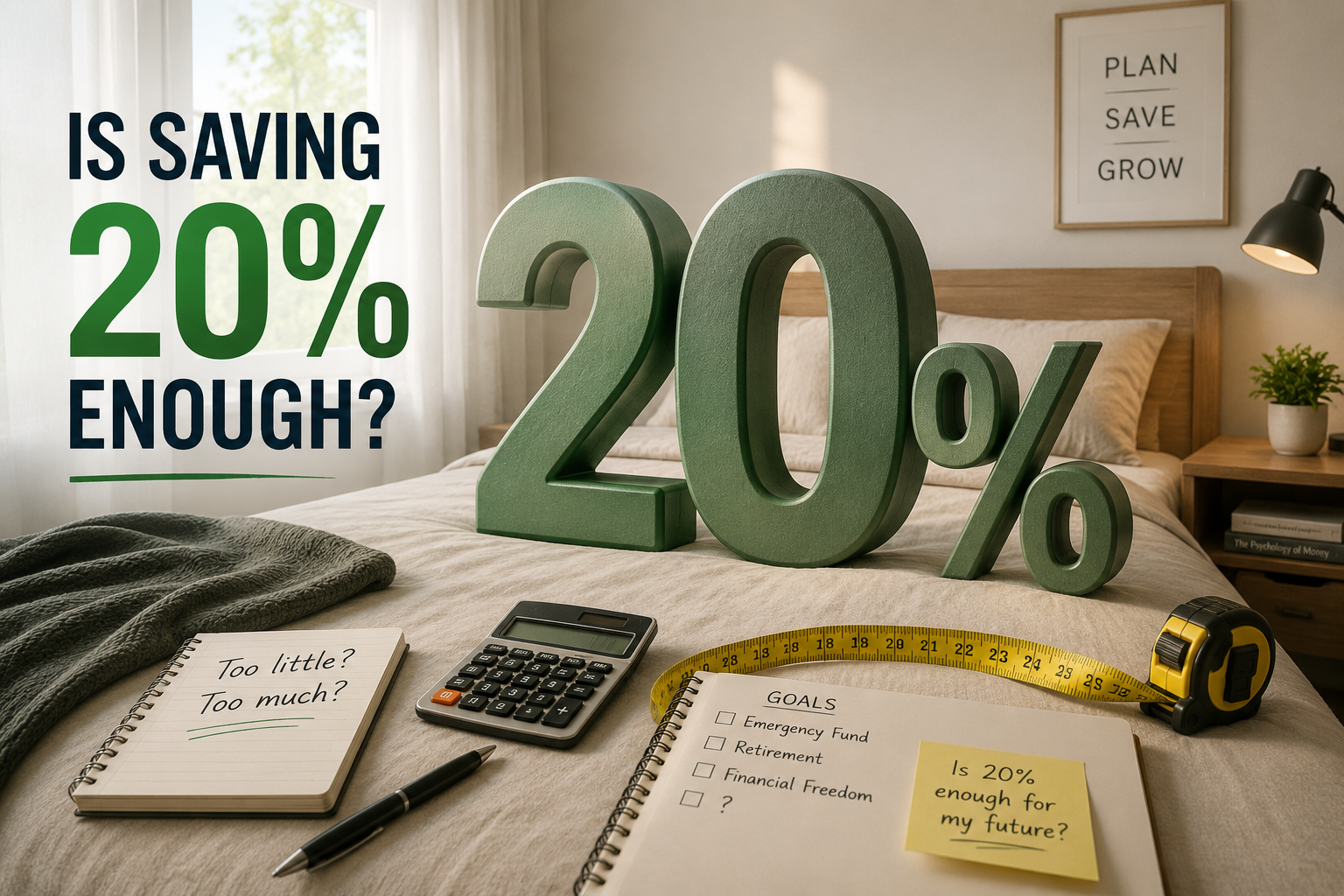
Is Saving 20% Enough? Here’s What Financial Experts Actually Recommend

Is Saving 20% Enough - FG.png

Saving 20% of your income is one of the most common personal finance recommendations, but is it actually enough?

The short answer is: for many people, yes—but not everyone.

Whether saving 20% is enough depends on several factors, including your age, income, debt, retirement goals, emergency savings, and lifestyle. Someone just starting their career has very different financial needs than someone trying to retire early or catch up after years of little saving.

Why Budgeting Alone Won’t Make You Rich

Why Budgeting Alone Won't Make You Rich - FG

If you’ve ever heard someone say, “Just make a budget and you’ll become rich,” you’ve only been told half the story.

Budgeting is one of the most important personal finance habits you can build, but by itself, it won’t create wealth. A budget helps you control your money—it doesn’t automatically increase it.

The Lazy Person’s Guide to Saving Money (Without Budgeting or Stress)

The Lazy Person’s Guide to Saving Money - FG

Saving money sounds simple in theory. Spend less, save more.

But in reality, many people struggle with budgeting, tracking expenses, and constantly thinking about their finances.

The truth is, you don’t have to become a money expert or track every dollar to start saving. Some of the best financial habits are actually the easiest ones — the kind that work automatically in the background.

If you’d rather keep things simple, here’s the lazy person’s guide to saving money.