It sounds harmless — even smart. After all, trying something for free feels like there’s no real downside. But in reality, free trials have quietly become one of the most effective ways companies encourage long-term spending.
From streaming platforms and fitness apps to budgeting tools, AI subscriptions, meal kits, and premium software, free trials are everywhere. And while many people assume they’re saving money, the hidden financial cost often comes later.
Normally, people think carefully before spending money.
But when something is labeled “free,” the brain treats the decision differently. The risk feels smaller, so people become much less cautious.
That’s exactly why free trials work so well.
Companies know that once people:
create an account
enter payment information
build a habit
personalize settings
start using the service regularly
…many will continue paying without thinking twice.
The hardest part isn’t getting users to pay. It’s getting them emotionally attached first.
Most People Forget to Cancel on Time
One of the biggest reasons free trials become expensive is simple: people forget.
Modern life is busy. Between work, bills, notifications, and daily responsibilities, it’s easy to lose track of trial expiration dates.
Suddenly:
the free trial renews automatically
the subscription quietly charges your card
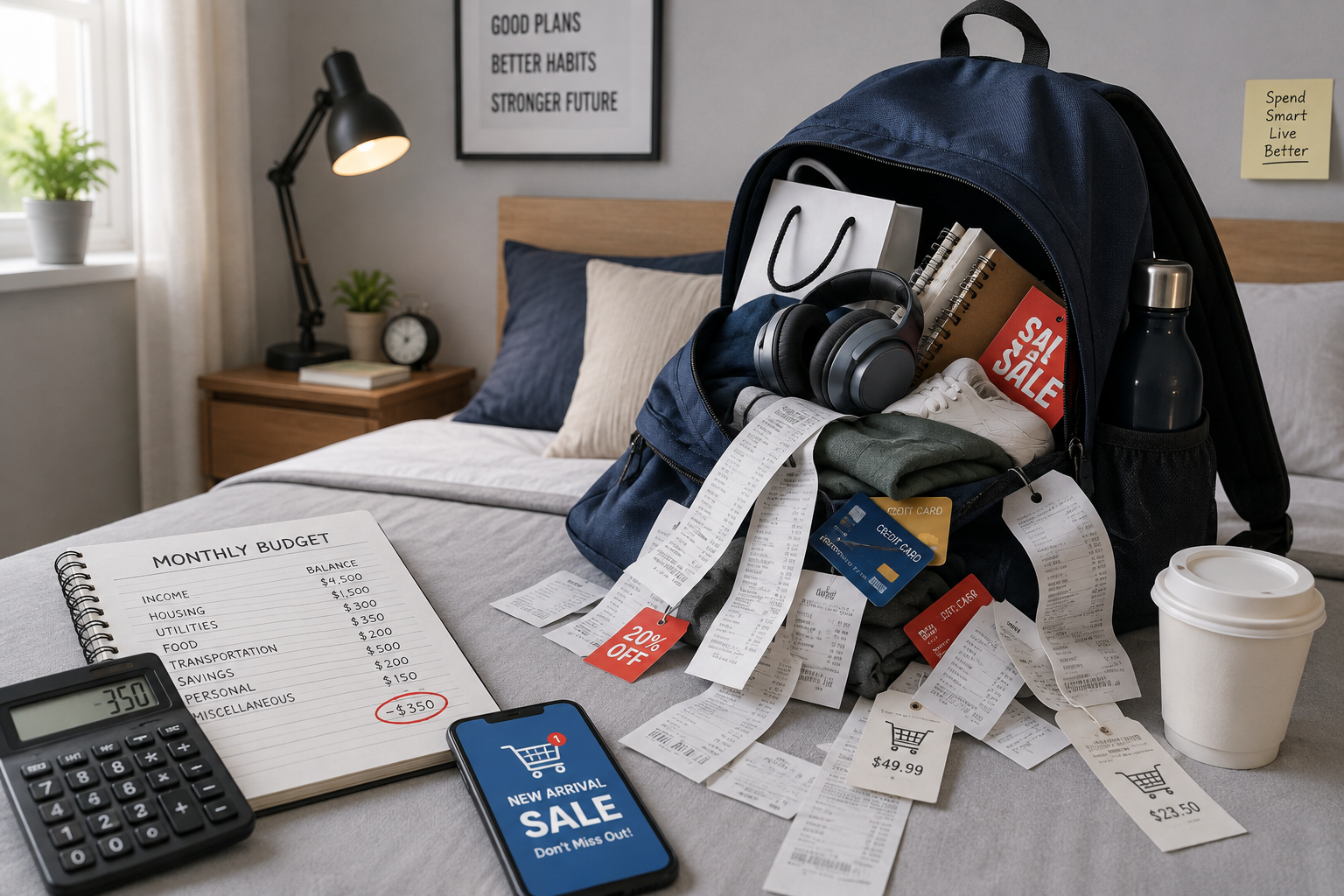
another recurring payment enters your monthly budget
And because many subscriptions seem “small,” people often ignore them instead of canceling immediately.
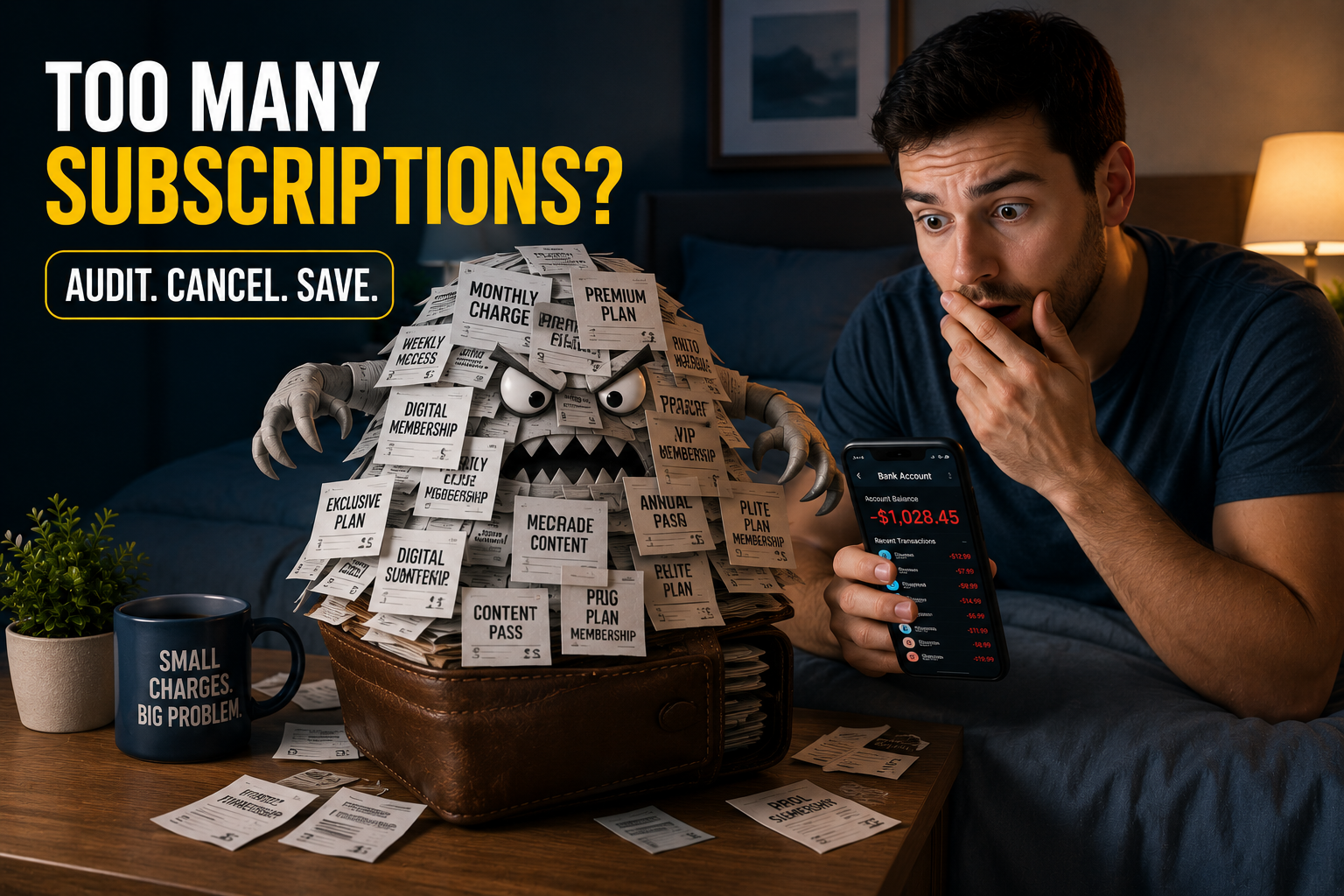
Small Subscriptions Quietly Stack Together
A single $8 or $12 subscription may not seem important.
But today’s digital lifestyle is filled with recurring payments:
streaming services
cloud storage
fitness apps
music subscriptions
productivity tools
AI services
premium memberships
Individually they feel affordable. Together they can quietly drain hundreds of dollars every month.
This is often called “subscription creep” — when small recurring charges slowly pile up without people fully noticing.
Free Trials Encourage Impulse Decisions
Free trials reduce hesitation.
People often sign up for services they never seriously planned to use long term because the word “free” creates urgency and removes psychological friction.
That’s why companies heavily promote:
limited-time free access
exclusive free trials
“cancel anytime” offers
instant activation
The easier the signup process becomes, the easier it is for people to oversubscribe.
Companies Count on Inactivity
Many subscription businesses actually rely on customers who barely use the service.
A large number of people continue paying simply because:
canceling feels inconvenient
they “might use it later”
the charge feels too small to worry about
they forget it exists entirely
In some cases, companies make cancellation intentionally harder than signup.
Financially smart people regularly review subscriptions specifically to avoid this trap.
Free Trials Can Distort Your Budget
One hidden problem with free trials is that they delay the feeling of spending money.
Because the cost arrives later, people often commit to multiple services without realizing how much future spending they’re creating.
This can make monthly budgets feel tighter over time without an obvious explanation.
Many people are surprised when recurring charges begin stacking together weeks after signing up.
“Free” Often Leads to Premium Upgrades
Free trials are carefully designed to encourage upgrades.
After using a service for a few weeks, people become familiar with:
convenience
premium features
personalized settings
saved data
entertainment habits
At that point, losing access feels uncomfortable.
Psychologically, people become more willing to pay because they’ve already integrated the service into daily life.
The Real Cost Isn’t Always Money
Some free trials cost more than monthly fees.
They can also consume:
attention
time
focus
mental energy
Constant subscriptions, notifications, and digital clutter can quietly create financial and psychological fatigue.
Financially smart people don’t just protect their money — they also protect their attention and spending habits.
How To Avoid the Free Trial Trap
Here are a few simple ways to stay in control:
Set Cancellation Reminders Immediately
The moment you start a trial, set a reminder several days before renewal.
Review Your Subscriptions Monthly
Small recurring payments are easier to catch early.
Avoid Signing Up Emotionally
Don’t subscribe simply because something feels free in the moment.
Ask Yourself One Question
“Would I still want this if I had to pay today?”
That question alone prevents many unnecessary subscriptions.
Use a Monthly Budget
Tracking recurring expenses clearly can help reveal how much subscription spending is quietly accumulating.
A monthly budget calculator can help organize recurring charges, spending categories, savings goals, and monthly expenses more effectively.
Final Thoughts
Free trials aren’t always bad. Sometimes they genuinely help people test useful products and services before committing.
The problem is that many free trials are designed less around helping users — and more around turning short-term curiosity into long-term recurring payments.
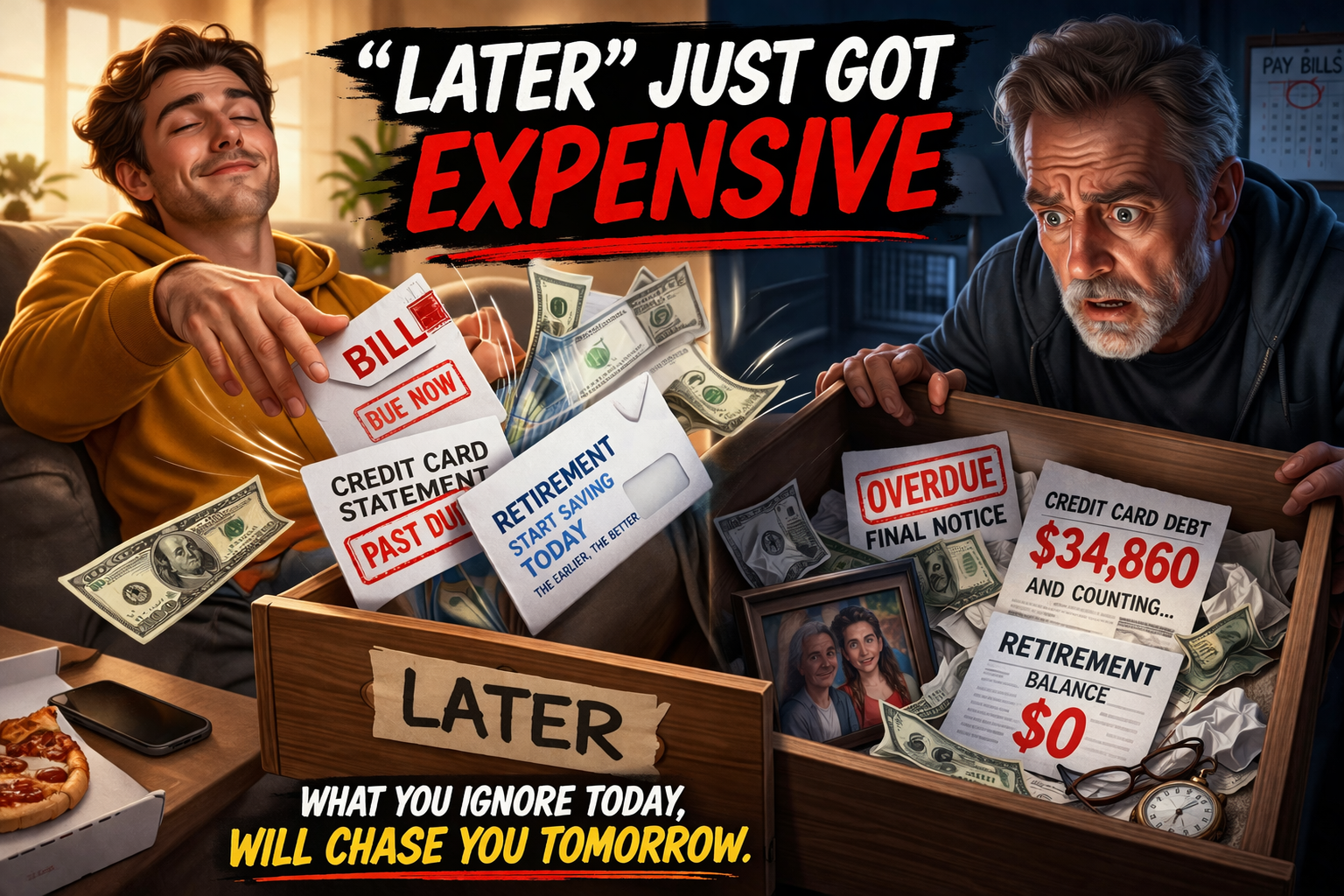
What feels free today can slowly become another permanent expense tomorrow.
Financially smart people understand that the true cost of free trials isn’t always visible upfront — and that awareness alone can prevent a surprising amount of unnecessary spending.