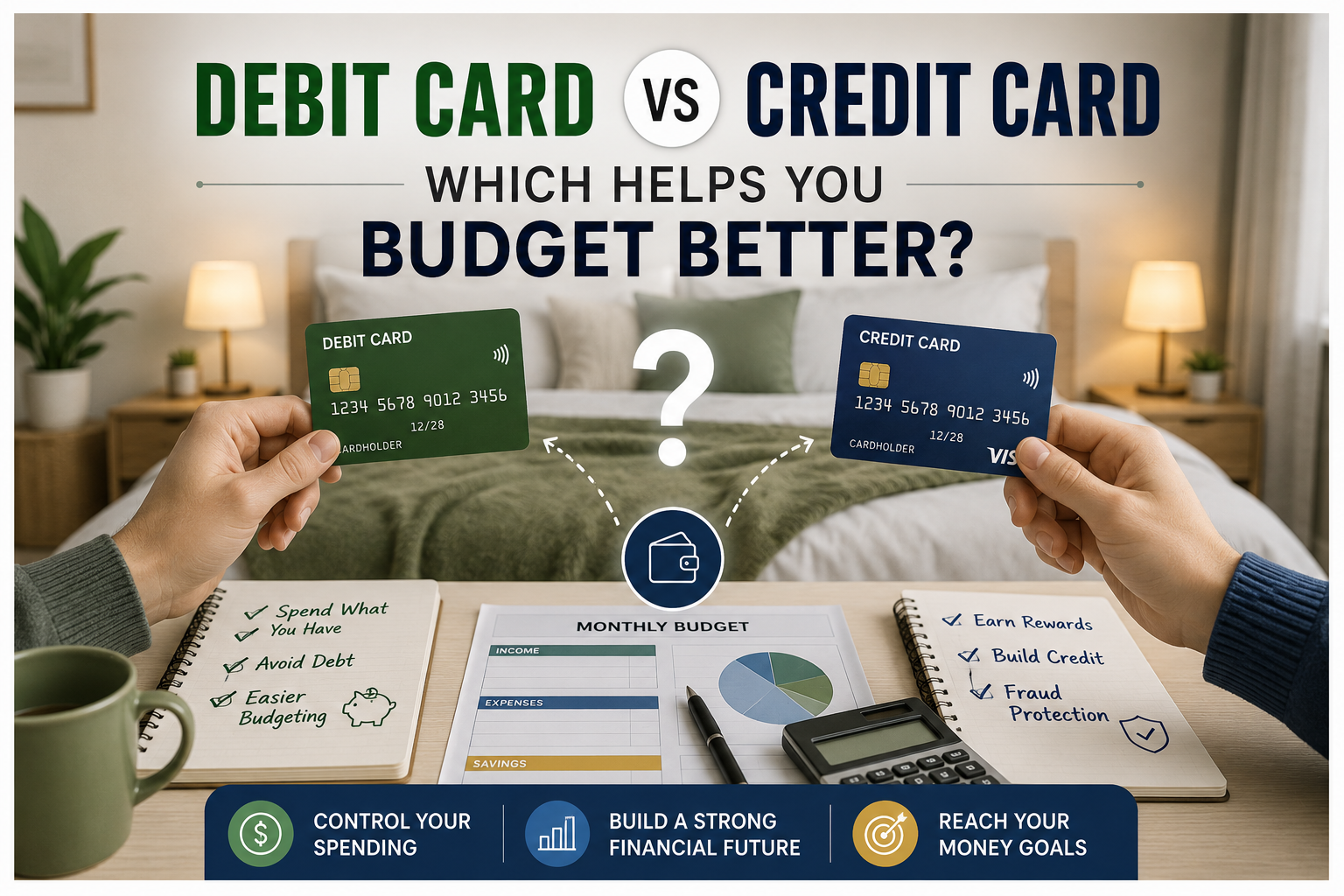
When it comes to sticking to a budget, the payment method you choose can make a bigger difference than you might think. Some people swear by debit cards because they only let you spend money you already have. Others prefer credit cards for their rewards, fraud protection, and the ability to track spending.
So, which is better for budgeting—a debit card or a credit card?
The truth is, neither is automatically better. The right choice depends on your spending habits, financial discipline, and budgeting goals. In this guide, we’ll compare debit cards and credit cards side by side to help you decide which one fits your money management style.
Debit Card vs Credit Card: What’s the Difference?
Although both cards look similar and can be used for everyday purchases, they work very differently.
A debit card withdraws money directly from your checking account. If you don’t have enough money in your account, the transaction may be declined or trigger an overdraft, depending on your bank.
A credit card, on the other hand, lets you borrow money from your card issuer up to a set credit limit. You’ll need to repay the balance later, and if you don’t pay it in full, interest charges may apply.
Quick Comparison
Feature
Debit Card
Credit Card
Uses Your Own Money
✅ Yes
❌ No
Builds Credit History
❌ No
✅ Yes
Earns Rewards
Rarely
Often
Interest Charges
None
Possible
Overspending Risk
Lower
Higher
Fraud Protection
Good
Excellent
Best For
Daily budgeting
Responsible spending & rewards
Why Many Budgeters Prefer Debit Cards
If your main goal is controlling spending, debit cards offer several advantages.
You Can Only Spend What You Have
Because purchases come directly from your bank account, you’re naturally limited by your available balance. This helps prevent unnecessary debt and encourages mindful spending.
For people who are new to budgeting, this can make it much easier to stay within their monthly spending limits.
Less Temptation to Overspend
With a credit card, it’s easy to think, “I’ll pay it off later.” A debit card removes that temptation because every purchase immediately affects your bank balance.
No Interest Charges
Unlike credit cards, debit cards don’t charge interest on purchases. As long as you avoid overdraft fees, you won’t pay extra for everyday spending.
Why Credit Cards Can Be Great Budgeting Tools
Many people assume credit cards are bad for budgeting, but that’s only true if they’re used irresponsibly.
When managed well, a credit card can actually improve your financial habits.
Better Spending Records
Most credit card apps categorize purchases automatically, making it easier to review where your money goes each month.
This can be especially useful when you’re performing a monthly budget review or adjusting your spending habits.
Rewards and Cash Back
Many credit cards offer:
Cash back
Travel rewards
Airline miles
Purchase protection
Extended warranties
If you pay your balance in full every month, these rewards are essentially free benefits.
Stronger Fraud Protection
Credit cards generally provide stronger consumer protections against unauthorized transactions, making them a safer option for online shopping and travel.
Helps Build Credit
Using a credit card responsibly and paying your bill on time can improve your credit score, which may help when applying for a mortgage, auto loan, or apartment rental in the future.
The Biggest Risk of Using Credit Cards
The convenience of credit cards can also be their biggest downside.
Since you’re spending borrowed money rather than seeing cash leave your bank account immediately, it’s easier to lose track of your spending.
Carrying a balance from month to month can quickly become expensive because of interest charges. If you’re currently working to eliminate debt, prioritizing repayment before chasing rewards is usually the smarter financial move.
Which Card Is Better for Budgeting?
Here’s a simple way to decide.
Choose a Debit Card If You:
Are new to budgeting.
Struggle with impulse spending.
Want to avoid debt completely.
Prefer spending only the money you already have.
Need tighter control over your finances.
Choose a Credit Card If You:
Always pay your balance in full.
Want to earn rewards or cash back.
Track your spending regularly.
Want to build your credit history.
Have strong spending discipline.
Can You Use Both?
Absolutely—and for many people, this is the ideal approach.
A balanced strategy might look like this:
Use your credit card for recurring bills, travel, and purchases that earn rewards.
Use your debit card for groceries, dining out, entertainment, and other day-to-day expenses where you want stricter spending control.
This approach lets you enjoy the benefits of both cards without relying too heavily on borrowed money.
Tips for Budgeting With Either Card
No matter which payment method you choose, these habits will make budgeting easier:
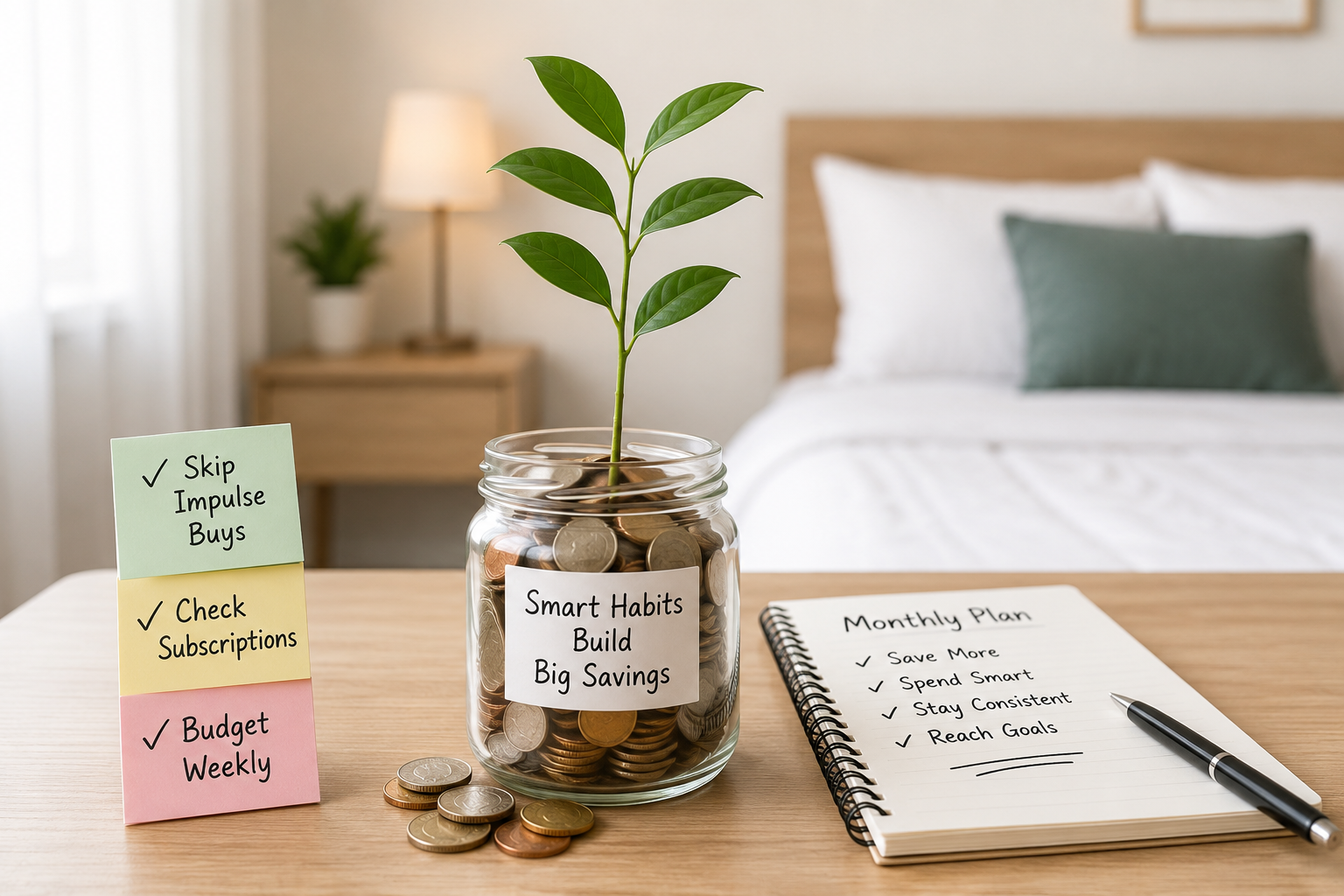
Set a monthly spending limit.
Review your transactions every week.
Pay your credit card in full whenever possible.
Avoid making purchases you couldn’t afford with cash.
Turn on transaction alerts from your bank.
Track subscriptions and recurring payments.
Using a budgeting system—whether it’s the 50/30/20 rule, 60/20/20 Rule the 70/20/10 rule, or another method—can also help ensure your spending aligns with your financial goals.
Common Budgeting Mistakes to Avoid
Many budgeting problems aren’t caused by the card itself but by how it’s used.
Avoid these common mistakes:
Carrying a credit card balance month after month.
Ignoring small daily purchases.
Using credit to cover a budget shortfall.
Forgetting automatic subscription renewals.
Not reviewing monthly statements.
Building awareness of your spending habits is often more important than choosing between debit and credit.
Final Thoughts
The debate over debit card vs credit card for budgeting doesn’t have a one-size-fits-all answer.
If your biggest challenge is controlling spending, a debit card can provide the discipline you need by limiting purchases to the money you already have.
If you’re financially disciplined and always pay your balance in full, a credit card can offer valuable rewards, stronger protections, and credit-building benefits without hurting your budget.
Ultimately, the best budgeting strategy isn’t about the card in your wallet—it’s about consistently spending less than you earn, tracking your expenses, and sticking to a realistic monthly plan. When paired with good financial habits, either card can support your journey toward long-term financial success.