12 Financial Red Flags Hidden in Your Bank Statement

Most people only check their bank statement to confirm their paycheck arrived or to see their account balance. Once that’s done, the statement is quickly forgotten until the next month.
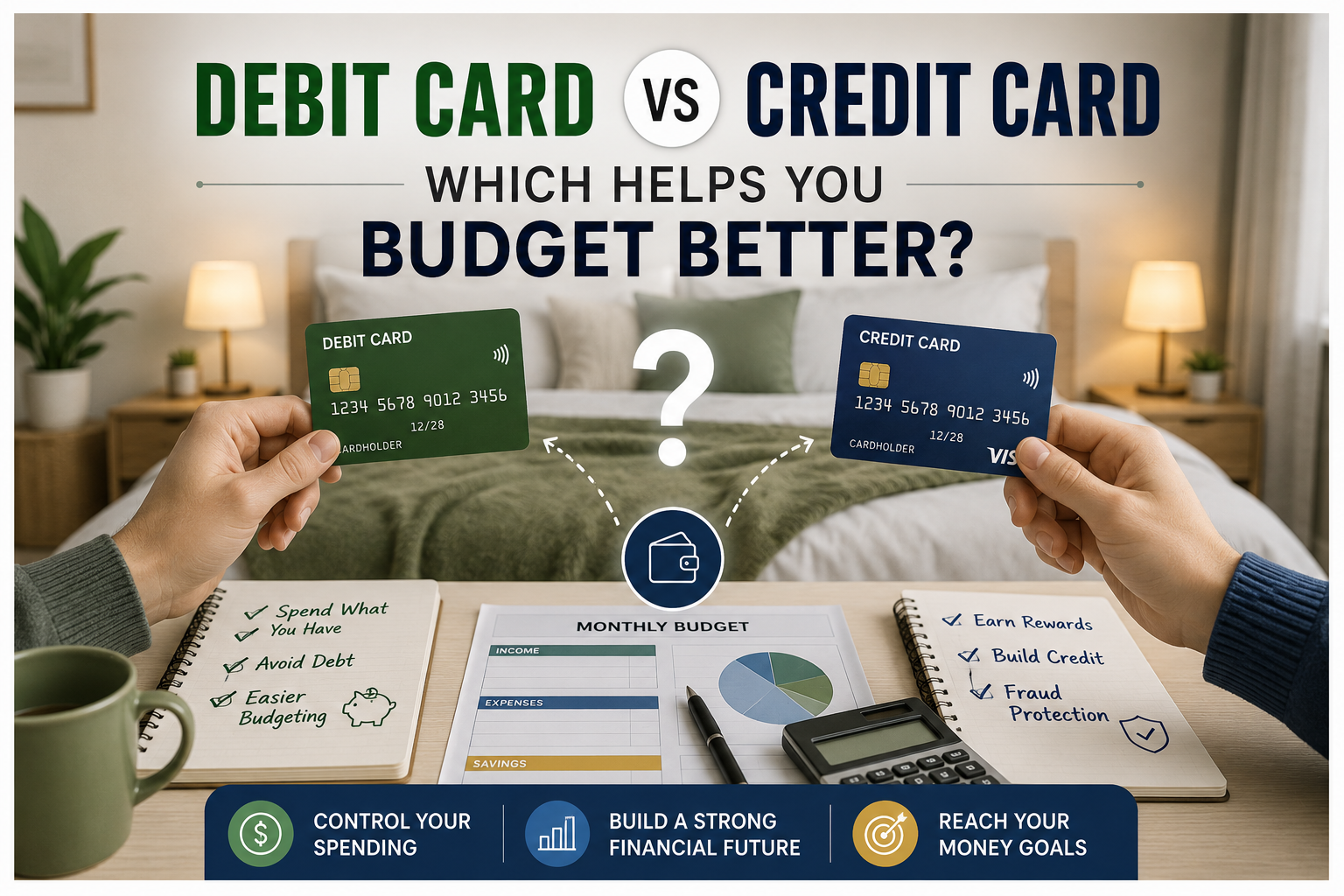
When it comes to sticking to a budget, the payment method you choose can make a bigger difference than you might think. Some people swear by debit cards because they only let you spend money you already have. Others prefer credit cards for their rewards, fraud protection, and the ability to track spending.
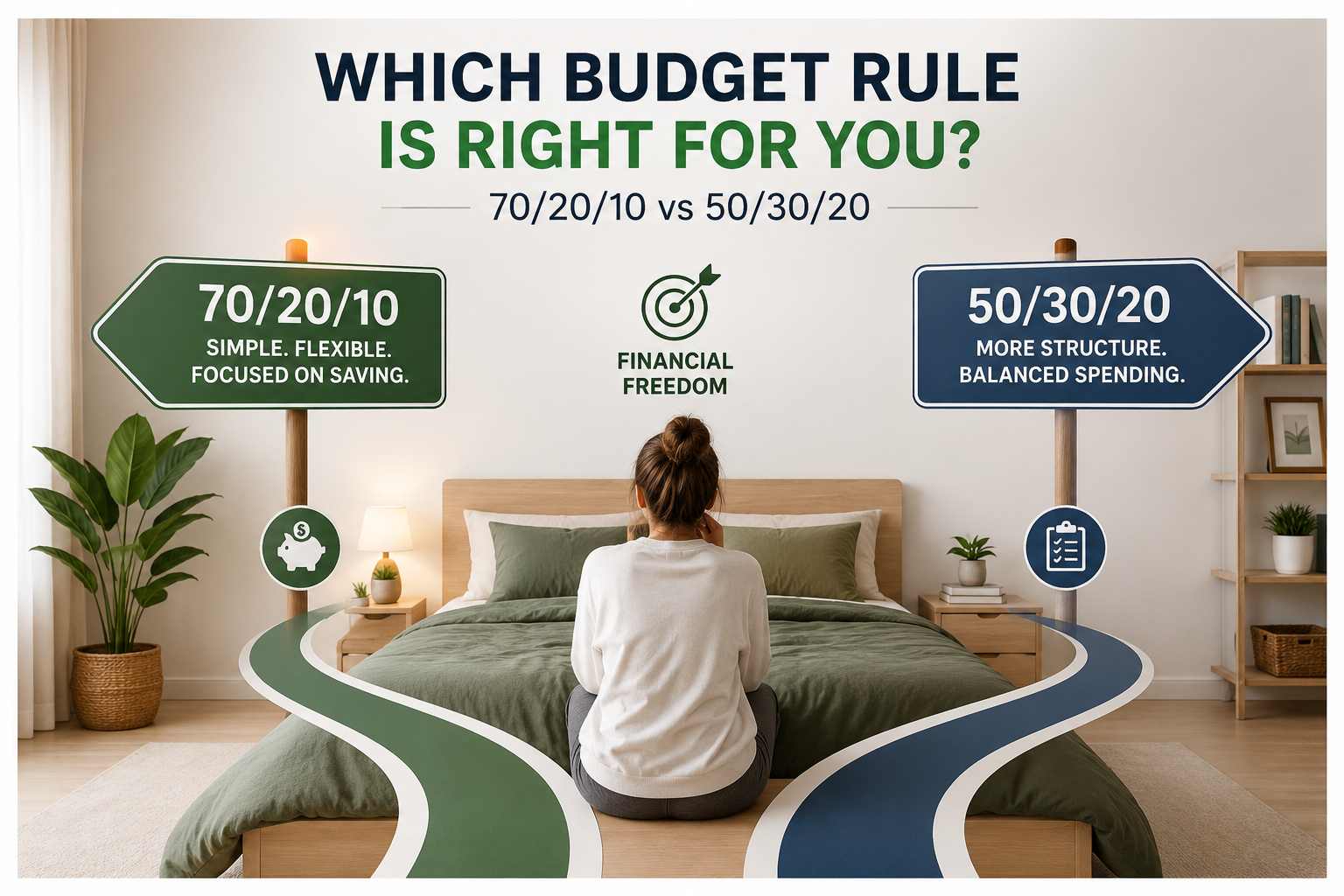
If you’ve been looking for a simple budgeting method, you’ve probably come across the popular 50/30/20 rule. But it’s not the only budgeting strategy worth considering. Another approach that’s gaining attention is the 70/20/10 budget rule—a straightforward system that prioritizes saving while keeping your spending simple.
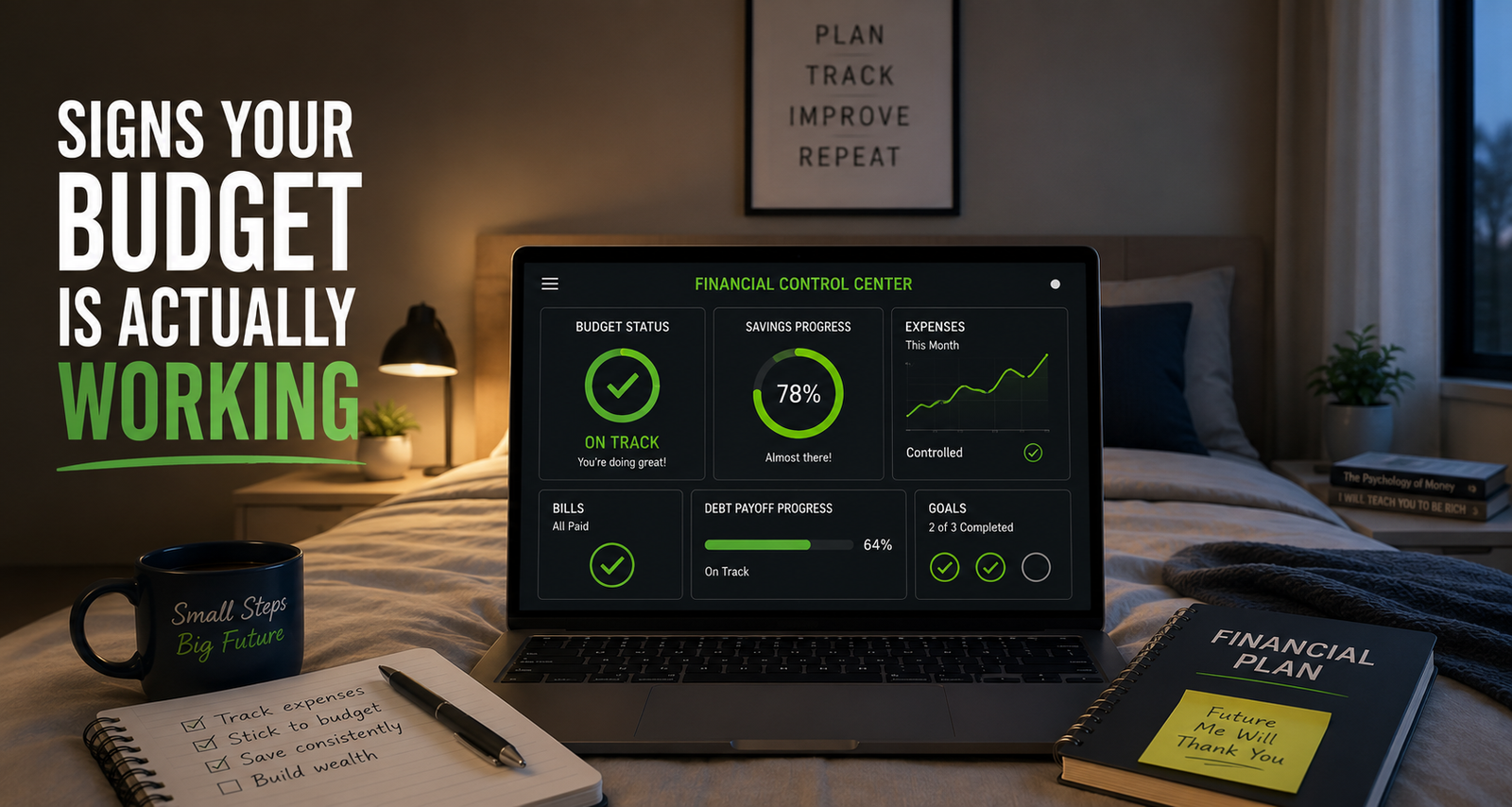
One of the biggest frustrations with budgeting is wondering whether it’s actually making a difference.
You spend less, track your expenses, and try to stick to your plan—but your bank balance doesn’t suddenly double overnight. It’s easy to assume your budget isn’t working when, in reality, the biggest improvements often happen quietly.
Saving 20% of your income is one of the most common personal finance recommendations, but is it actually enough?
The short answer is: for many people, yes—but not everyone.
Whether saving 20% is enough depends on several factors, including your age, income, debt, retirement goals, emergency savings, and lifestyle. Someone just starting their career has very different financial needs than someone trying to retire early or catch up after years of little saving.
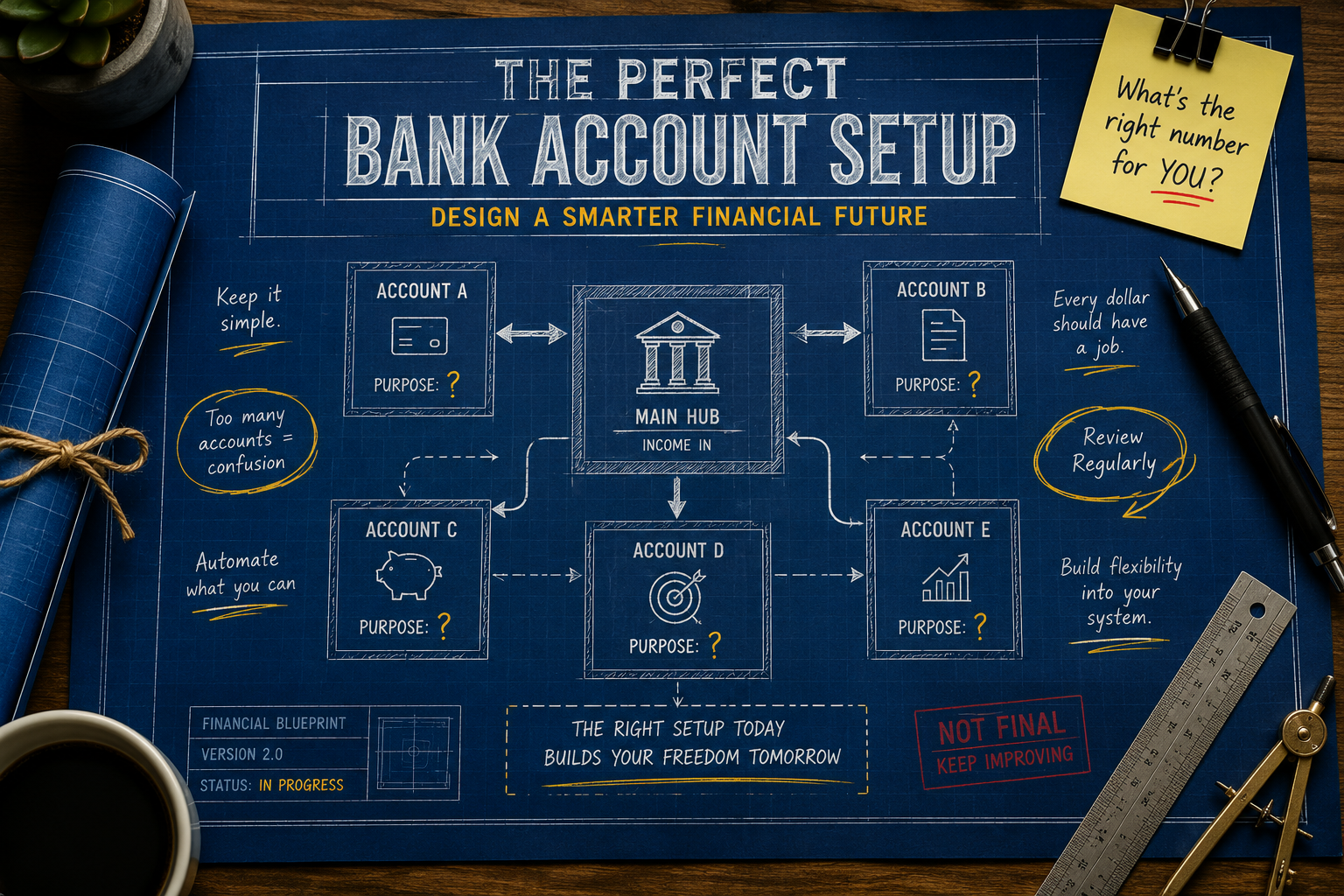
If you’ve ever wondered whether you’re supposed to have just one bank account or several, you’re not alone. Some people manage everything through a single checking account, while others juggle five or six different accounts for spending, bills, savings, and investing.
We’ve all had months where spending got out of control. Maybe an unexpected car repair, a medical bill, or a series of impulse purchases left you with little—or no—money before the month ended.
If you’ve ever heard someone say, “Just make a budget and you’ll become rich,” you’ve only been told half the story.
Budgeting is one of the most important personal finance habits you can build, but by itself, it won’t create wealth. A budget helps you control your money—it doesn’t automatically increase it.
Credit cards can be incredibly useful when used responsibly. They make shopping convenient, help build your credit history, and can even earn rewards on everyday purchases. But when balances start piling up, it’s easy to find yourself trapped in a cycle that’s difficult to escape.
In today’s economy, it’s surprisingly common for people to feel financially stressed — even when they’re doing better than they realize.