If you’ve ever wondered whether you’re supposed to have just one bank account or several, you’re not alone. Some people manage everything through a single checking account, while others juggle five or six different accounts for spending, bills, savings, and investing.
So what’s the right number?
The truth is that there isn’t a universal answer. The ideal number of bank accounts depends on your income, spending habits, financial goals, and how organized you want your money to be. Having too few accounts can make budgeting difficult, while having too many can become confusing.
In this guide, we’ll explain how many bank accounts most people should have, when it’s worth opening additional accounts, and how to build a simple system that makes managing your money easier.
The Short Answer
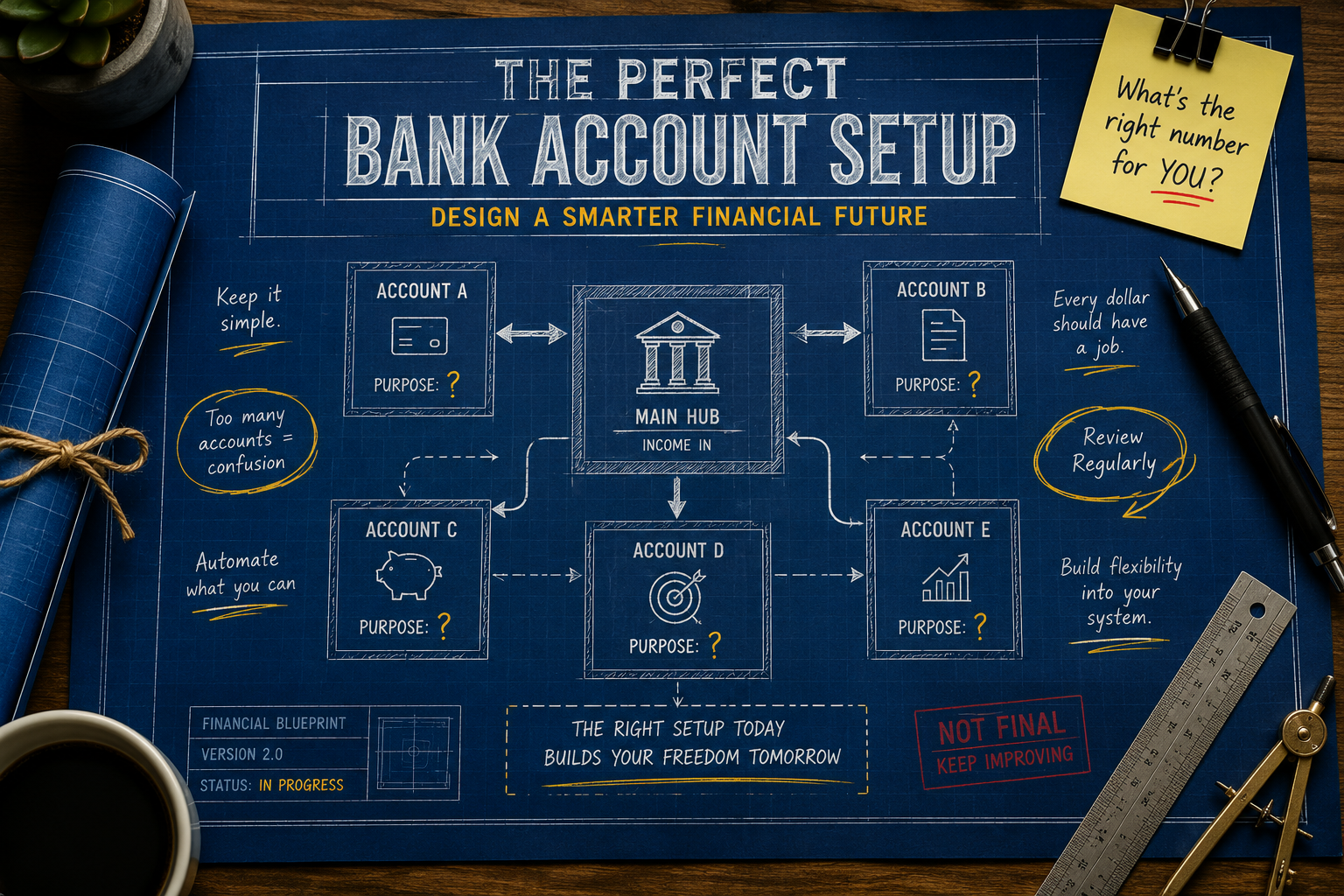
For most people, 3 to 5 bank accounts is the sweet spot.
A simple setup looks like this:
Account
Purpose
Checking Account
Everyday spending and debit card purchases
Bills Checking Account
Rent, utilities, insurance, subscriptions
Emergency Savings
Unexpected expenses
Goal Savings
Vacation, car, home, holidays
Investment Account (optional)
Long-term wealth building
This system separates your money into clear categories, making it much harder to accidentally spend money that should be saved.
Why One Bank Account Usually Isn’t Enough
Using a single account for every paycheck, bill, grocery trip, and savings goal might seem convenient, but it creates several problems.
For example:
It’s difficult to know how much money is actually available to spend.
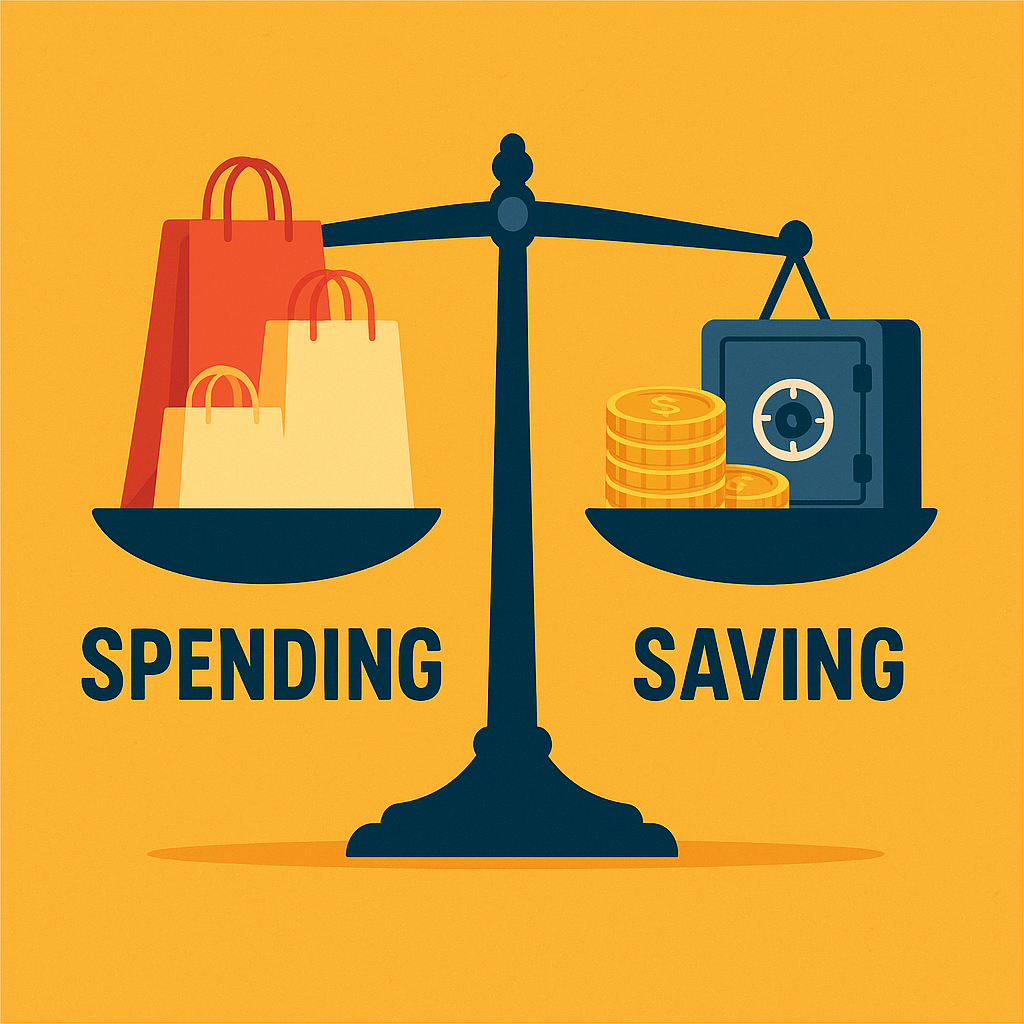
Savings often get mixed with spending money.
Unexpected bills can throw off your entire budget.
You’re more likely to overspend.
This is one reason many people struggle to stick to a budget. If that’s something you’ve experienced, our guide on How to Stick to a Budget Without Feeling Miserable offers practical strategies that make budgeting feel much less restrictive.
The Ideal Bank Account Setup
1. Everyday Spending Account
Think of this as your primary checking account.
Use it for:
Groceries
Restaurants
Gas
Entertainment
Shopping
Daily purchases
Only transfer the amount you’ve budgeted for the month into this account. Once it’s gone, you’ve reached your spending limit.
This approach naturally helps prevent impulse purchases without constantly checking your budget.
Instead of keeping every savings goal in one account, many banks let you create multiple savings “buckets.”
Examples include:
Vacation
Christmas
New car
Wedding
Home down payment
New laptop
Watching each goal grow individually can make saving feel much more motivating.
5. Investment Account
While technically not a bank account, an investment account plays an important role in your financial system.
Once your emergency fund is fully funded, extra money may be better invested for long-term growth rather than sitting in a low-interest savings account.
Every account should solve a problem—not create one.
Keeping Everything Together
Mixing spending money with emergency savings makes it easier to overspend.
Ignoring Fees
Always check:
Monthly fees
Minimum balance requirements
ATM fees
Transfer limits
Not Reviewing Your System
As your income changes, your banking setup should evolve too.
Someone starting their first job doesn’t need the same system as a family managing a mortgage, children, and retirement savings.
Final Thoughts
The best banking system is the one that helps you stay organized without becoming overwhelming.
For most people, three to five accounts provide the perfect balance between simplicity and control. Separate your bills, spending, emergency savings, and financial goals, then automate as much as possible. You’ll spend less time worrying about your money and more time making progress toward your goals.
To put this strategy into action, try our Monthly Budget Calculator. It helps you organize your income, categorize your expenses, and see exactly how much you should allocate toward spending, savings, and future goals. Pairing a well-structured budget with the right bank account setup is one of the simplest ways to take control of your finances.