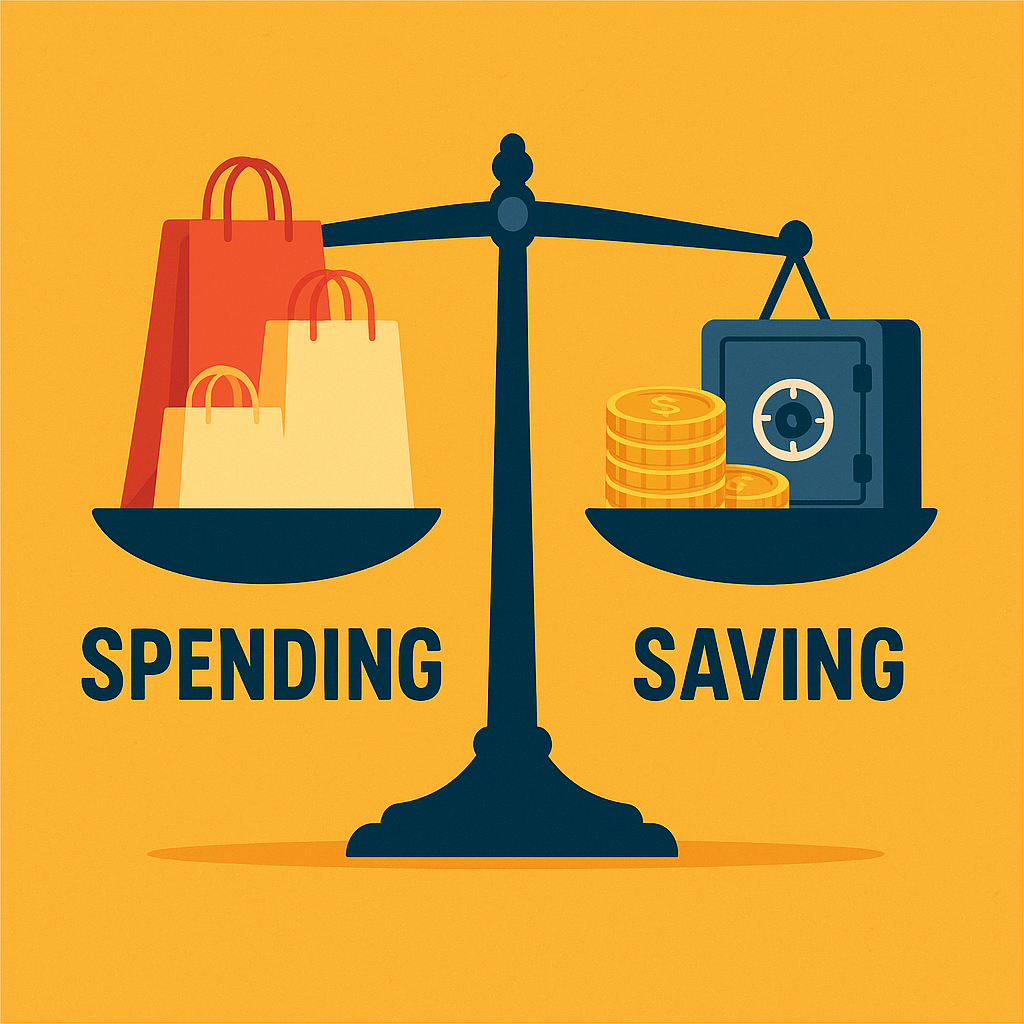
Saving money often feels like what’s left over after paying rent, groceries, utility bills, and other monthly expenses. Unfortunately, for many people, there’s rarely anything left.
That’s where the “Pay Yourself First” strategy comes in. Instead of saving whatever remains at the end of the month, this approach flips the process: you save before paying for anything else.
It’s one of the simplest and most effective personal finance habits, helping millions of people build emergency funds, invest for retirement, and achieve long-term financial goals without constantly worrying about money.
In this guide, we’ll explain what Pay Yourself First means, how it works, its benefits, and how you can start using it today.
What Does “Pay Yourself First” Mean?
Pay Yourself First is a budgeting strategy where you automatically set aside a portion of your income for savings or investments as soon as you get paid—before spending money on non-essential expenses.
Think of your savings as the first bill you pay every month, not the last.
Instead of asking:
“How much money do I have left to save?”
You ask:
“How much do I want to save before I start spending?”
This simple mindset shift can dramatically improve your financial habits over time.
How Does Pay Yourself First Work?
The concept is surprisingly straightforward.
When your paycheck arrives:
Automatically transfer a portion to your savings or investment account.
Pay your essential bills.
Spend what’s left within your budget.
For example, if your monthly take-home income is $4,000, you might:
Save $800 (20%)
Use the remaining $3,200 for housing, groceries, transportation, utilities, entertainment, and other expenses.
Because your savings happen first, you’re much less likely to spend the money elsewhere.
Why Is It So Effective?
Many people struggle to save not because they don’t earn enough, but because saving becomes an afterthought.
The Pay Yourself First method removes that problem by making saving automatic.
You Build Savings Consistently
Even saving a small amount every month adds up over time.
Consistency matters far more than trying to save large amounts occasionally.
It Reduces Impulse Spending
When money is moved into savings immediately, there’s less temptation to spend it on unnecessary purchases.
It Helps You Reach Financial Goals Faster
Whether you’re saving for:
An emergency fund
A home
Retirement
A vacation
A new car
Putting savings first keeps your goals moving forward every month.
How Much Should You Pay Yourself First?
There’s no universal percentage.
A common recommendation is 20% of your after-tax income, which also aligns with many popular budgeting methods.
If saving 20% isn’t realistic right now, don’t worry.
Start with:
5%
10%
15%
The important part is building the habit.
As your income grows, gradually increase your savings rate.
Where Should the Money Go?
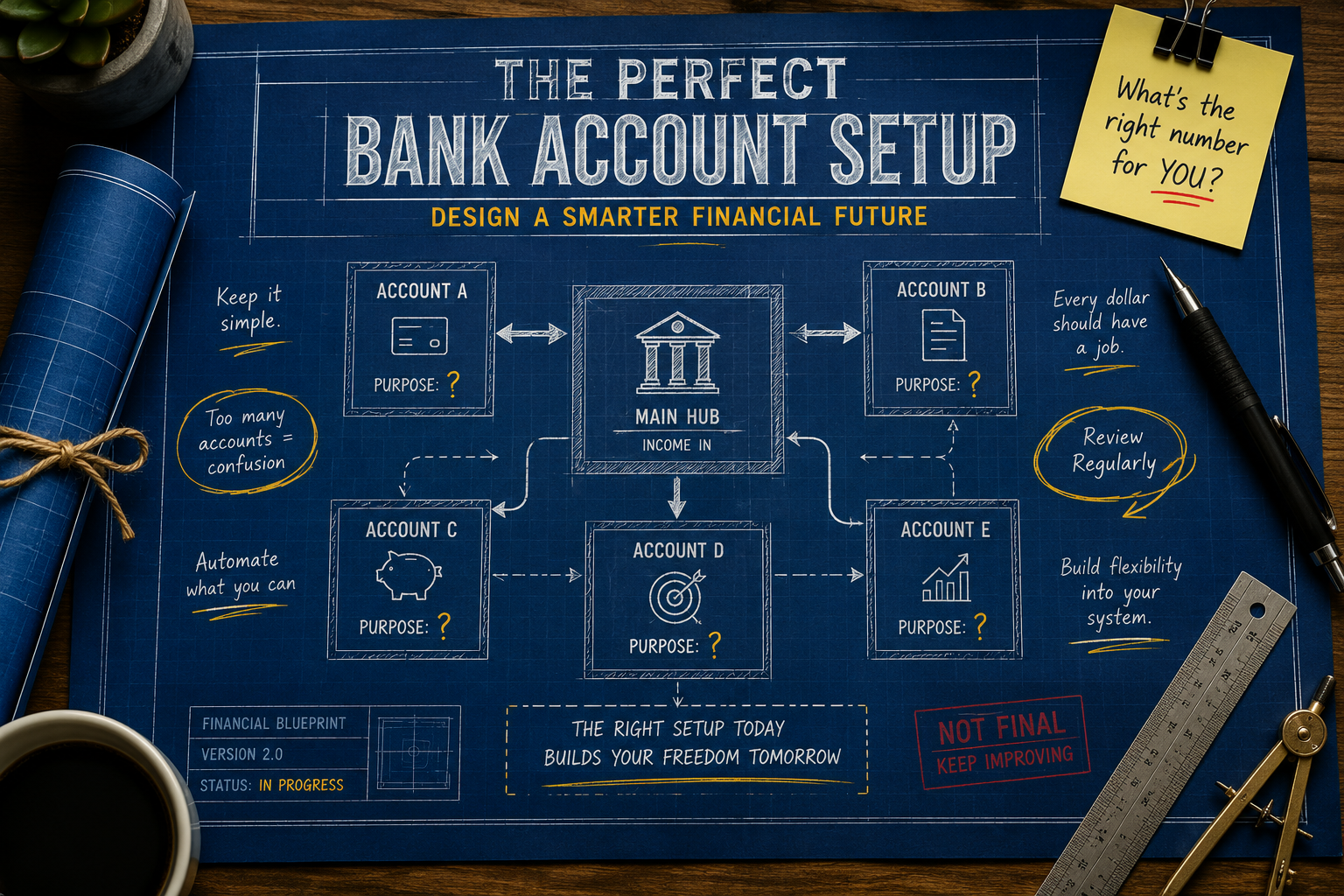
Your “Pay Yourself First” money doesn’t have to sit in one account.
Depending on your goals, you might direct it toward:
High-yield savings account
Emergency fund
Retirement account
Investment account
College savings
Home down payment fund
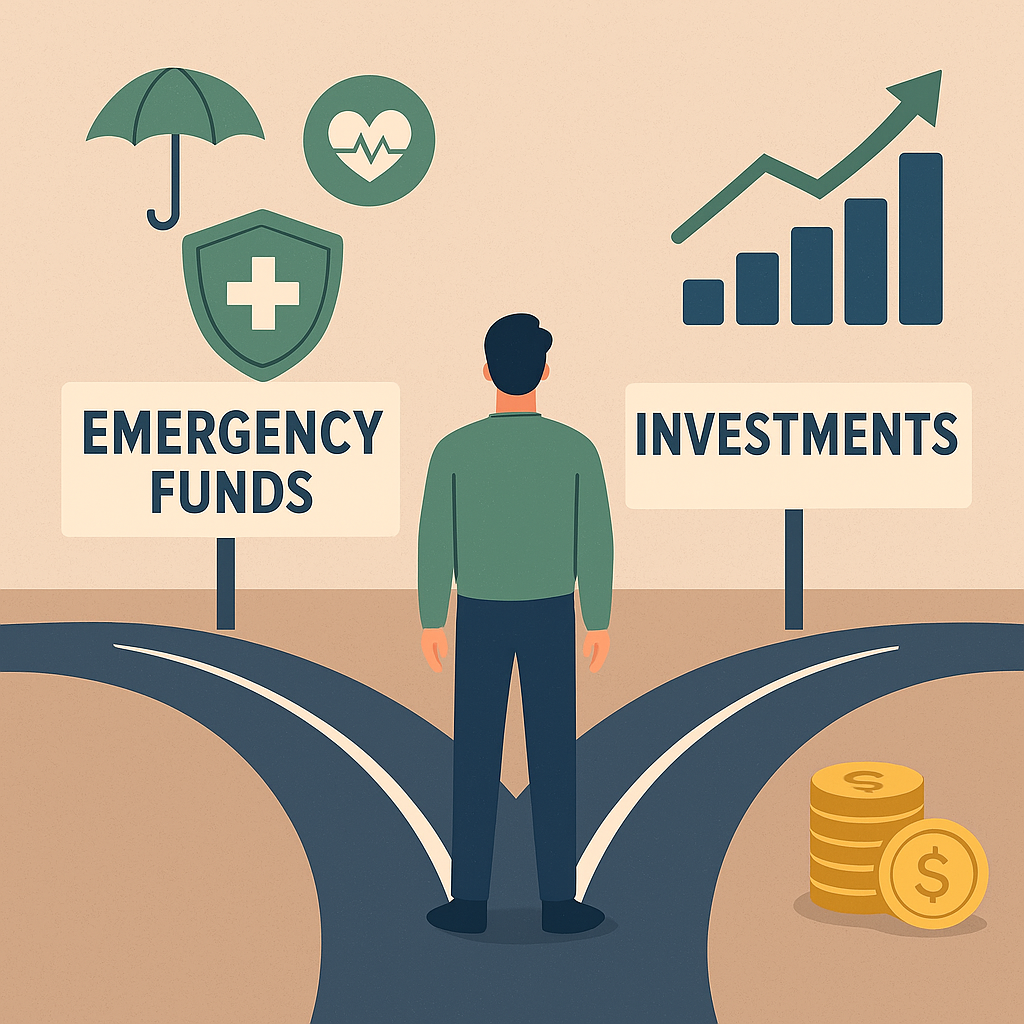
If you’re still building your financial safety net, it’s worth prioritizing an emergency fund before focusing on other long-term goals.
Pay Yourself First vs. Saving What’s Left Over
The difference between these approaches is significant.
Pay Yourself First
Save What’s Left
Savings come first
Savings come last
Encourages consistency
Often inconsistent
Helps reduce overspending
Easier to spend everything
Builds wealth over time
Savings may never happen
For most people, paying yourself first leads to much better long-term results.
Can You Still Budget Normally?
Absolutely.
In fact, this strategy works best alongside a monthly budget.
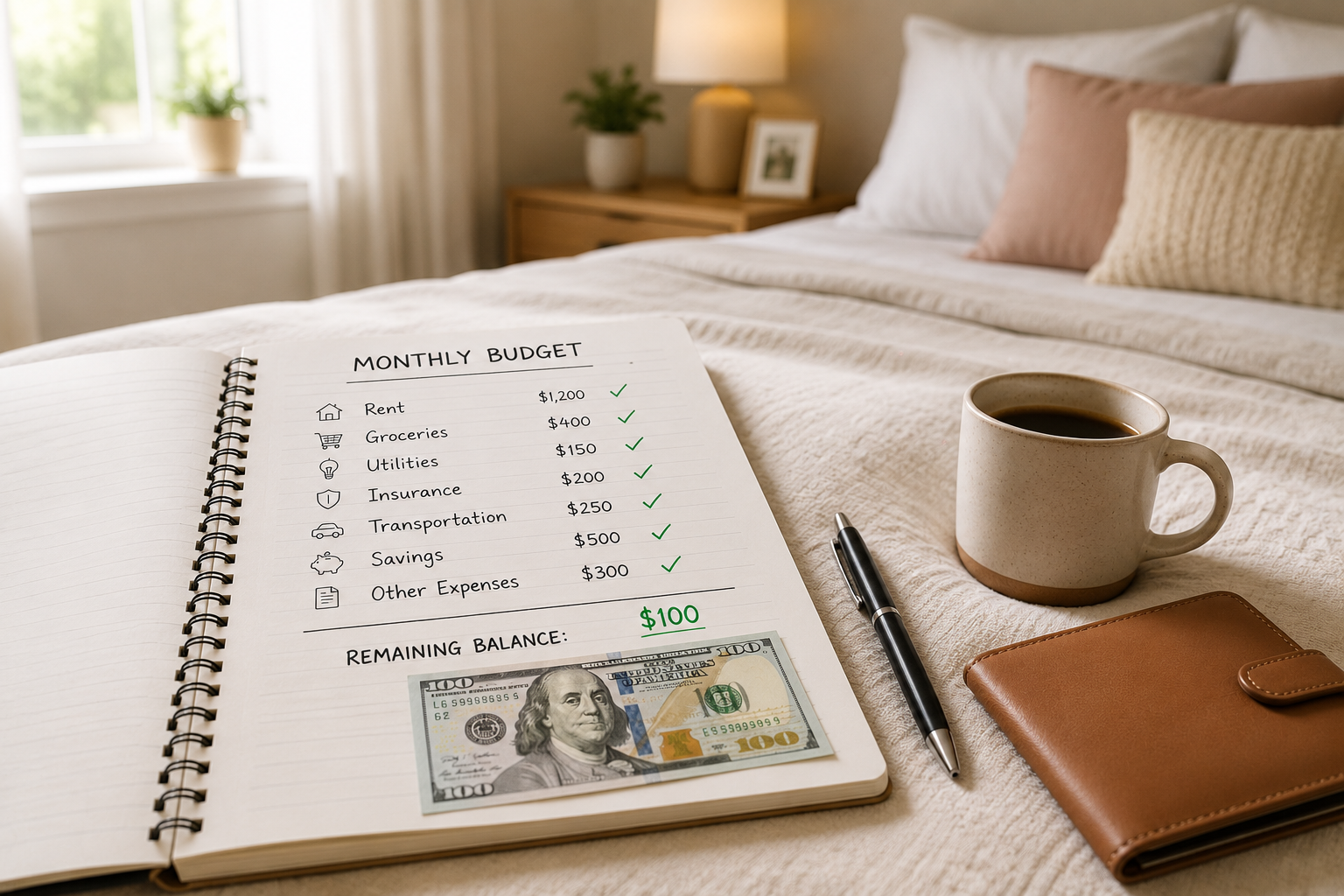
After setting aside your savings, you simply budget the remaining money across your expenses.
Whether you prefer the 50/30/20 budget, the 70/20/10 rule, or another budgeting method, paying yourself first fits naturally into almost any financial plan.
Tips for Making It Automatic
The easiest way to stick with this strategy is to remove the need for willpower.
Here are a few simple ideas:
Set up automatic transfers on payday.
Increase your savings percentage after every raise.
Keep your savings in a separate account.
Treat savings like any other monthly bill.
Avoid transferring money back unless it’s for a genuine financial emergency.
Automation turns saving into a habit instead of a monthly decision.
Common Mistakes to Avoid
Even simple strategies can go wrong if you’re not careful.
Avoid these common mistakes:
Waiting until the end of the month to save.
Setting unrealistic savings goals.
Frequently dipping into savings for non-emergencies.
Ignoring high-interest debt while building large cash balances.
Forgetting to adjust your savings as your income increases.
Small, consistent improvements are usually more effective than trying to save aggressively for just a few months.
Final Thoughts
The Pay Yourself First strategy is one of the easiest financial habits to adopt, yet it can have a lasting impact on your financial future.
By saving before you spend, you remove the guesswork from building wealth and make steady progress toward your financial goals every month.
You don’t need a complicated budget or a high income to make it work. Start with a manageable amount, automate your savings whenever possible, and stay consistent. Over time, you’ll likely find that paying yourself first becomes one of the most valuable money habits you’ve ever developed.