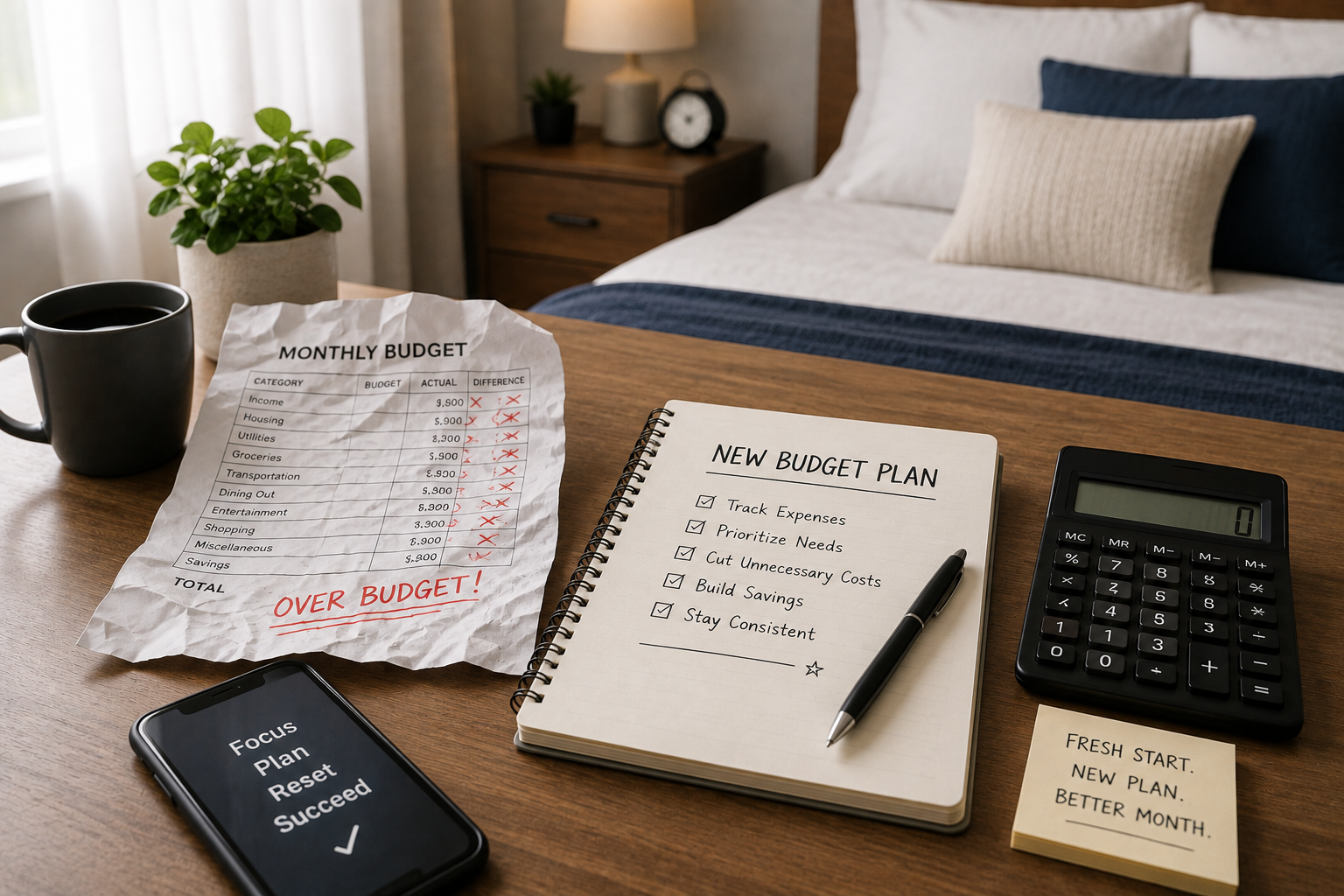
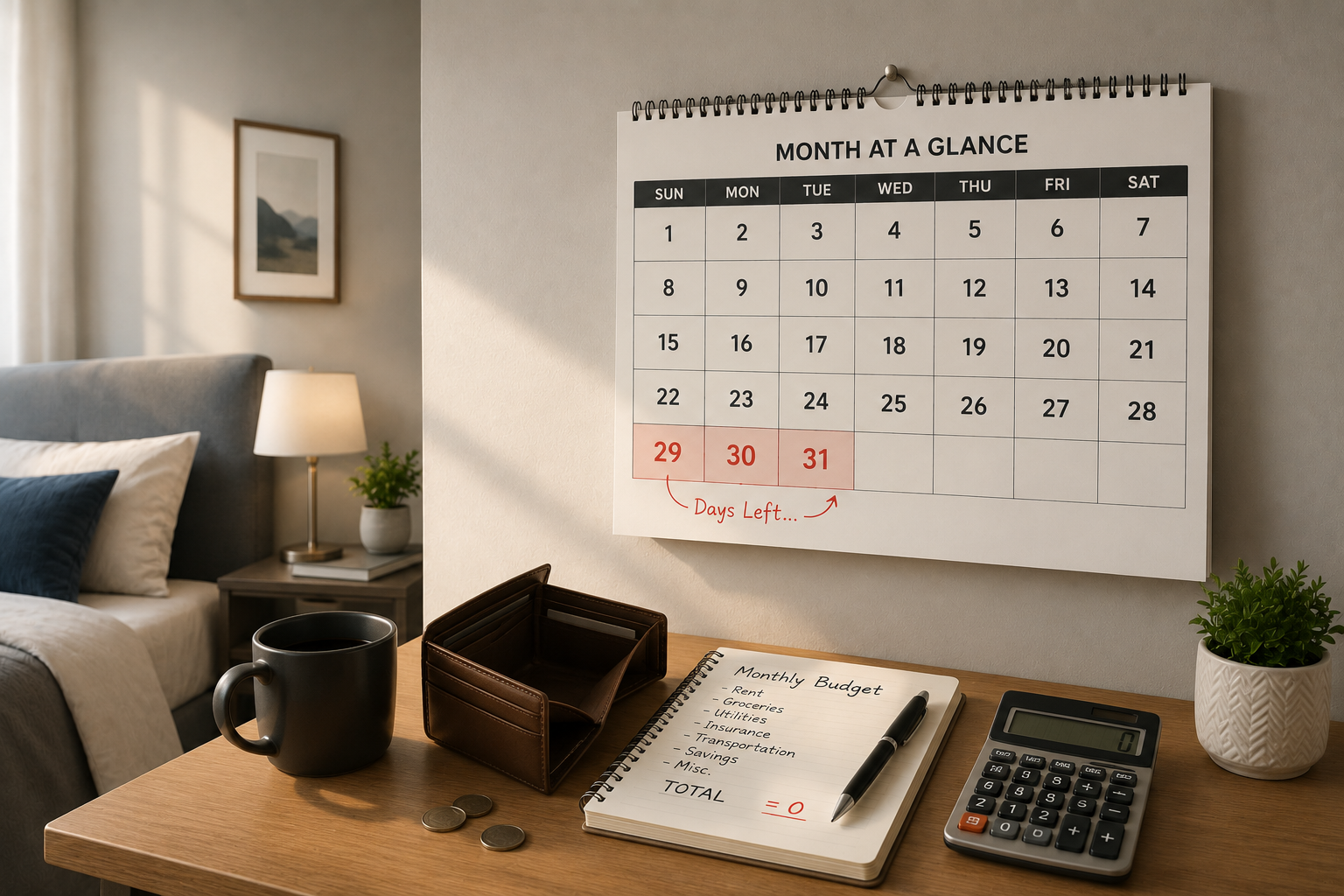
It happens to almost everyone at some point. Maybe an unexpected expense came up, a few impulse purchases got out of hand, or you simply underestimated how much you’d spend. Whatever the reason, looking at your bank account and realizing you’ve blown your monthly budget can feel discouraging.
The good news is that one bad month doesn’t have to become a long-term financial setback. Instead of giving up on your budget altogether, use it as an opportunity to reset, learn, and make smarter decisions going forward.
1. Don’t Panic or Give Up
Overspending for one month doesn’t mean you’ve failed.
Many people abandon budgeting entirely after one bad month, but consistency matters more than perfection. A budget isn’t meant to be flawless—it’s a tool that helps you make better decisions over time.
Accept what happened, then focus on what you can control from today onward.
2. Figure Out What Caused the Overspending
Before making changes, understand why your budget failed.
Ask yourself:
Was it an emergency expense?
Did you underestimate certain categories?
Did impulse purchases add up?
Were there seasonal expenses you forgot about?
Did your income change?
Identifying the root cause makes it much easier to prevent the same problem next month.
3. Stop Any Non-Essential Spending
If you’ve already exceeded your budget, try limiting discretionary purchases for the rest of the month.
This might include:
Dining out
Online shopping
Entertainment purchases
Subscription upgrades
Non-essential home items
Even cutting back for a week or two can reduce the overall financial impact.
4. Prioritize Essential Bills
When money becomes tight, focus on paying the most important expenses first.
These typically include:
Rent or mortgage
Utilities
Groceries
Insurance
Transportation
Minimum debt payments
Luxury purchases can wait. Protecting your essential obligations helps avoid late fees and additional financial stress.
5. Don’t Try to “Fix” It With Credit Cards
It can be tempting to put the remaining month’s expenses on a credit card just to get by.
Unless it’s a genuine emergency, this often turns a short-term budgeting mistake into long-term debt.
Instead, look for temporary ways to reduce spending before relying on borrowed money.
6. Review Every Transaction
Go through your bank or credit card statement line by line.
Look for:
Forgotten subscriptions
Duplicate purchases
Food delivery spending
Impulse shopping
Bank fees
Small purchases that added up
Reviewing your spending honestly is one of the best ways to identify opportunities for improvement.
7. Adjust Next Month’s Budget
If you consistently overspend in the same category, your budget may simply be unrealistic.
For example, if you’ve budgeted $200 for groceries but regularly spend $300, increasing that category while reducing another may create a plan you can actually stick to.
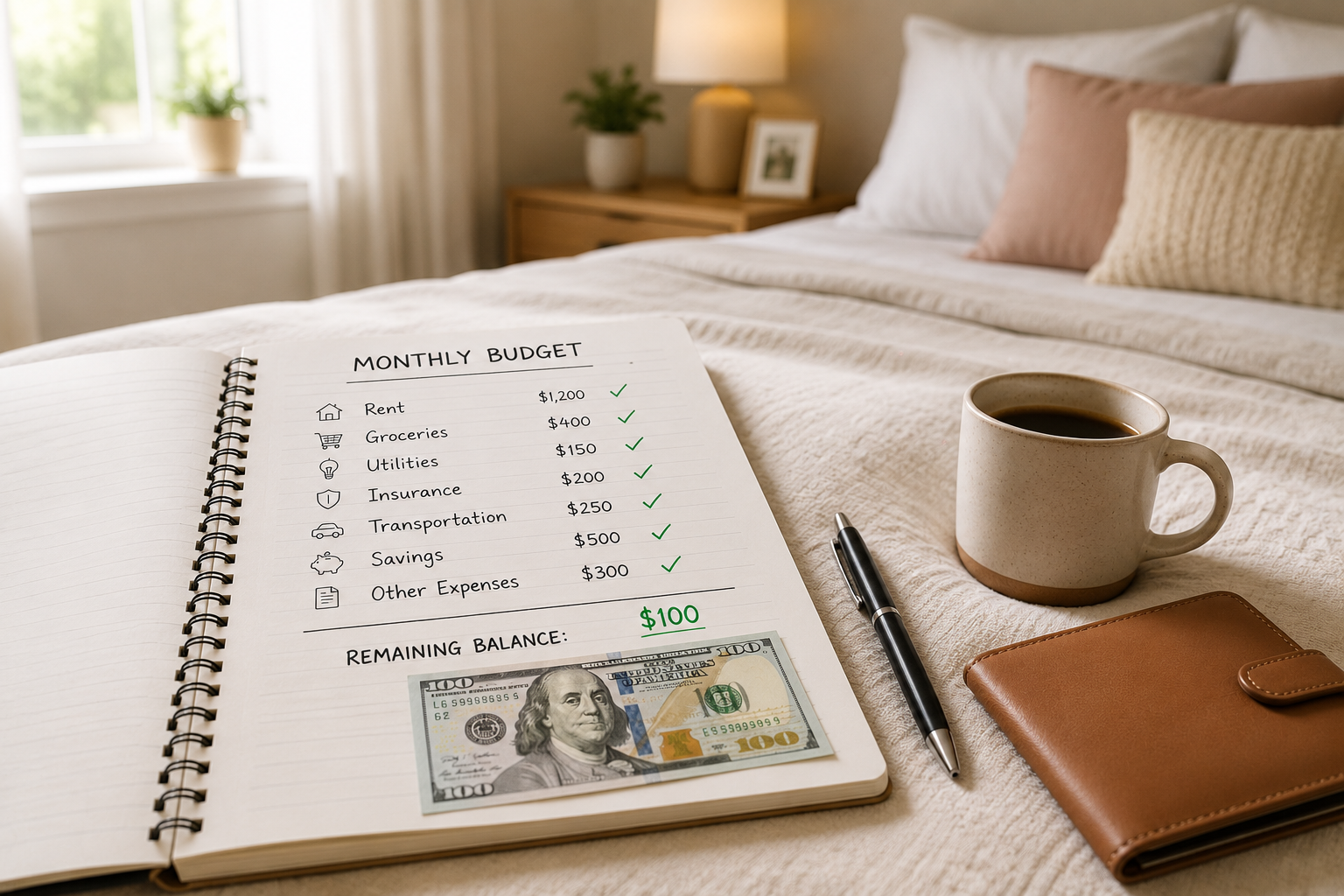
Following a monthly budget checklist can help you build a budget based on your real spending habits rather than wishful thinking.
8. Delay Large Purchases
If you were planning to buy new furniture, electronics, or other expensive items, consider postponing them until your finances stabilize.
Waiting another month can give you time to rebuild your cash flow without adding unnecessary financial pressure.
You don’t necessarily need to recover every dollar immediately.
Instead, look for manageable opportunities such as:
Cooking more meals at home
Selling unused items
Skipping a few takeout orders
Cancelling unused subscriptions
Using cashback or rewards you’ve already earned
Small savings can quickly add up over the course of a month.
10. Build a Small Buffer for the Future
One unexpected expense shouldn’t derail your entire budget.
Even setting aside a small amount each month can create a financial cushion that helps absorb surprises without forcing you to overspend.
Your emergency fund doesn’t have to start large—consistency matters more than the initial amount.
11. Learn From the Experience
Every budget mistake teaches you something.
Maybe you underestimated grocery costs.
Maybe you forgot annual expenses.
Maybe impulse shopping was the real problem.
Treat the experience as valuable financial data rather than a failure. Each adjustment makes your future budgets stronger.
12. Start Fresh Next Month
One of the biggest mistakes people make is trying to “punish” themselves with an impossibly strict budget the following month.
Instead, create a realistic plan you can actually maintain.
Using a structured approach like the 50/30/20 Budget Rule & 60/20/20 Budget Rule can help balance necessities, personal spending, and savings without feeling overly restrictive.
How to Prevent It From Happening Again
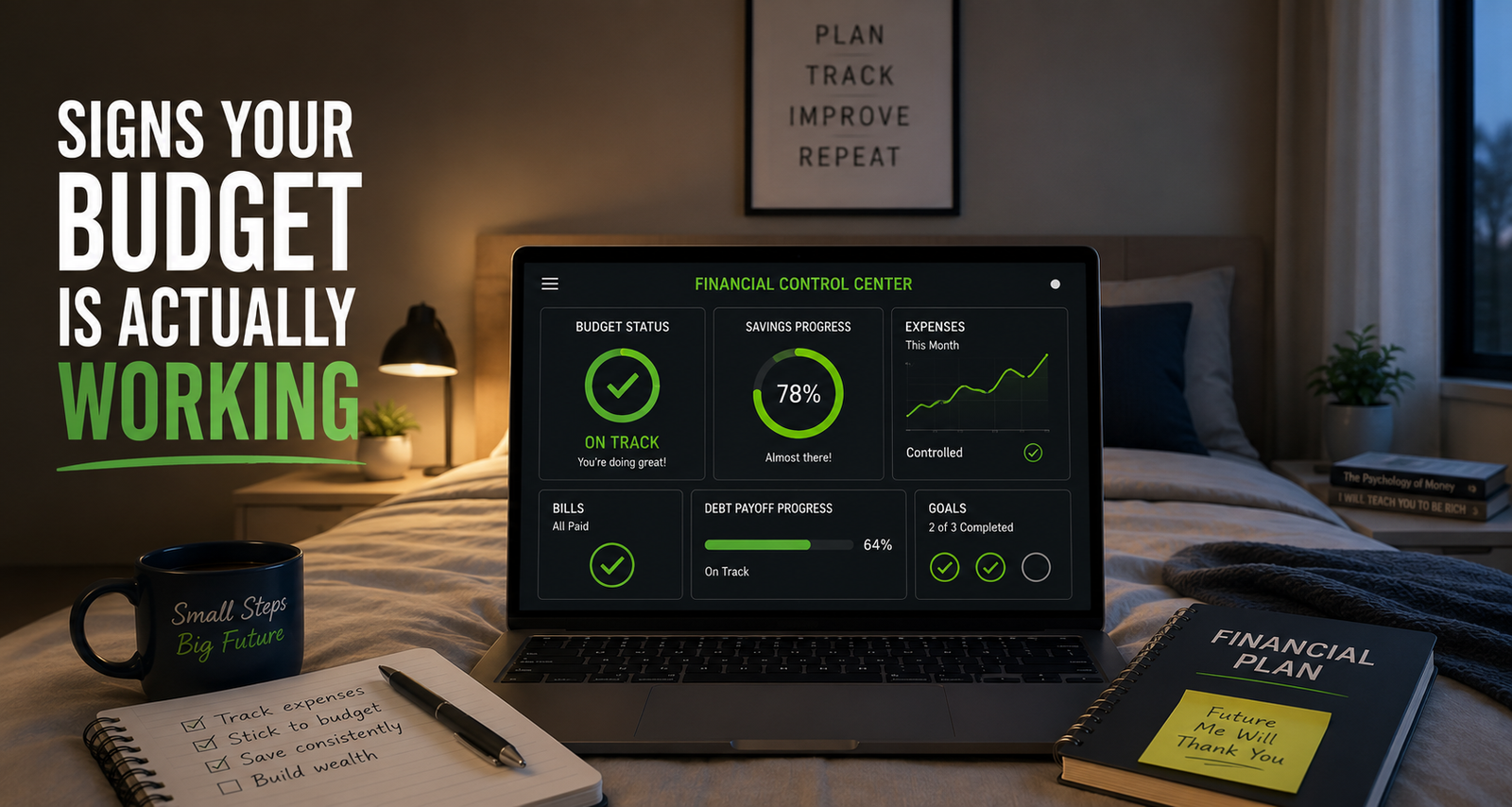
While no budget is perfect, a few habits can dramatically reduce the chances of overspending again:
Track expenses throughout the month instead of waiting until the end.
Review your bank statement every week.
Budget for seasonal or irregular expenses.
Leave a small buffer for unexpected costs.
Avoid impulse purchases by waiting 24 hours before buying non-essential items.
Review recurring subscriptions every few months.
Adjust your budget as your income or expenses change.
Small adjustments made consistently are far more effective than making drastic changes after every mistake.
Final Thoughts
Blowing your monthly budget isn’t the end of your financial journey—it’s simply a signal that something needs adjusting.
Instead of feeling discouraged, use the experience to identify what went wrong, make practical changes, and build better financial habits. Every successful budget is built through trial, error, and continuous improvement. What matters most isn’t having a perfect month—it’s making steady progress toward your financial goals.