We’ve all had months where spending got out of control. Maybe an unexpected car repair, a medical bill, or a series of impulse purchases left you with little—or no—money before the month ended.
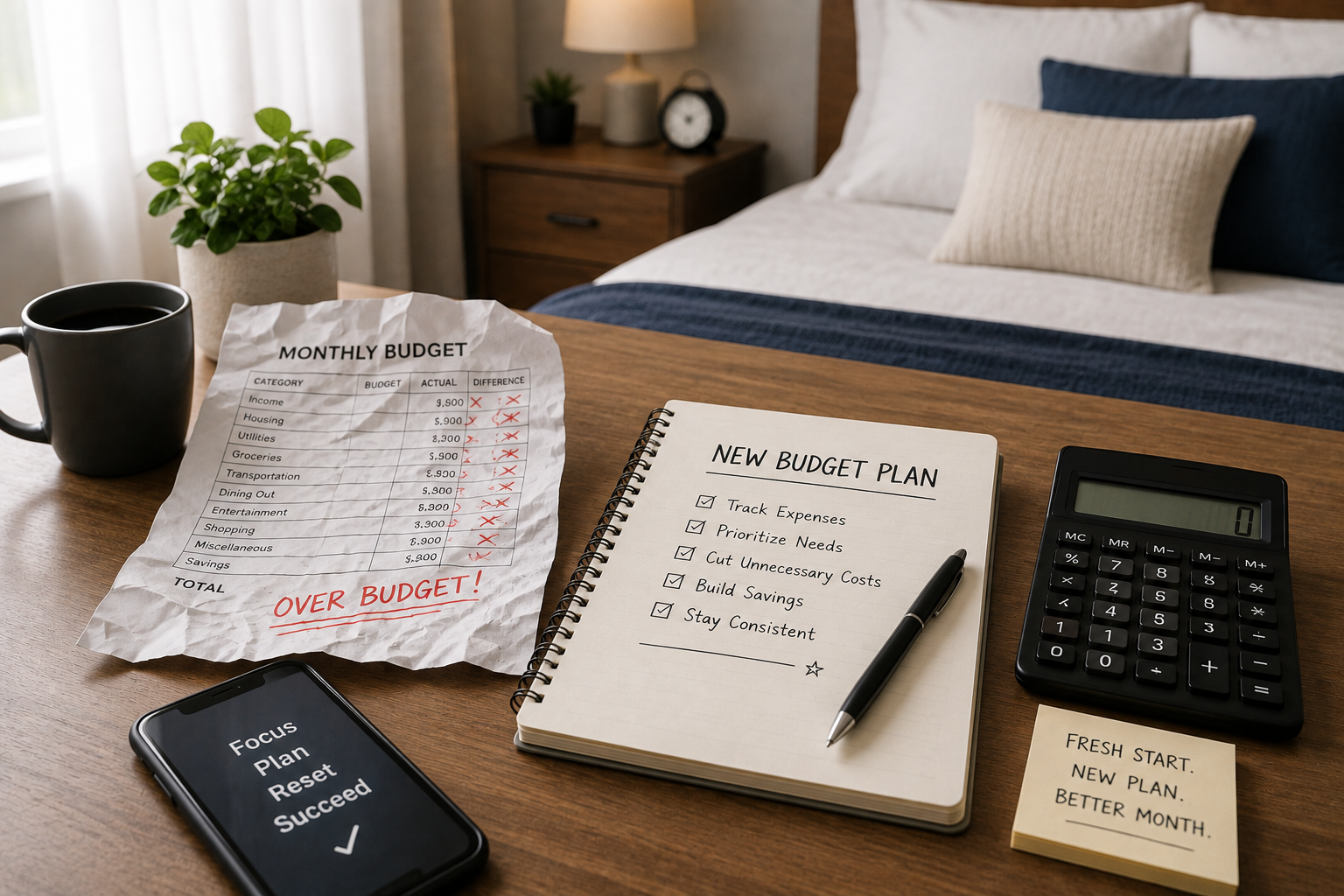
The good news is that blowing your monthly budget doesn’t mean you’ve failed. It simply means it’s time to reassess your finances, make a few adjustments, and create a plan for the weeks ahead.
Here’s what to do if you’ve already spent your entire monthly budget.
1. Don’t Panic or Give Up
It’s tempting to think, “I’ve already blown my budget, so what’s the point?”
That mindset often leads to even more unnecessary spending.
Instead, accept what happened, review your finances honestly, and focus on making the rest of the month as manageable as possible.
2. Figure Out What Caused the Overspending
Take a few minutes to review your transactions.
Ask yourself:
Was it an unexpected emergency?
Did groceries cost more than expected?
Were there too many impulse purchases?
Did you underestimate your monthly expenses?
Understanding the cause makes it much easier to avoid repeating the same mistake next month.
3. Cut Back on Non-Essential Spending
If there are still days left in the month, look for expenses you can temporarily reduce.
This might include:
Dining out
Entertainment
Online shopping
Subscription services
Takeout coffee
Even small cuts can help you stretch the money you have left.
4. Avoid Using Credit Cards Unless It’s an Emergency
Using a credit card to cover everyday expenses can quickly turn a budgeting mistake into long-term debt.
If possible, save your credit card for genuine emergencies rather than discretionary purchases.
5. Adjust Your Budget for Next Month
Every budgeting mistake is a learning opportunity.
If you consistently overspend in certain categories, your budget may not reflect your actual spending habits.
Instead of creating an unrealistic budget, adjust those categories while finding savings elsewhere.
6. Look for Ways to Increase Your Income
Sometimes the problem isn’t overspending—it’s that your income isn’t enough to cover rising expenses.
Consider temporary ways to bring in extra money, such as:
Freelance work
Selling unused items
Overtime opportunities
A weekend side hustle
Even a small increase in income can help you recover faster.
7. Build an Emergency Fund
Many budgets fall apart because of unexpected expenses.
Having an emergency fund can prevent one surprise expense from throwing off your entire month’s finances.
Even saving a small amount each month can make future setbacks easier to handle.
8. Track Your Spending More Frequently
Instead of checking your budget only at the end of the month, review it weekly—or even every few days.
Regular check-ins help you spot problems early, giving you time to adjust before your budget gets completely off track.
A Bad Month Doesn’t Define Your Financial Future
Everyone overspends occasionally. What matters most is how you respond afterward.
Review what happened, make practical adjustments, and keep moving forward. Budgeting isn’t about being perfect every month—it’s about making better financial decisions over time.
If you’re looking for an easier way to stay on top of your finances, a monthly budget calculator can help you track your income, expenses, savings, and spending all in one place, making it easier to stay within your budget each month.