
Your checking account is designed to make everyday spending easy.
But if you’re keeping too much money in it—or too little—you could be creating unnecessary financial problems.
Some people live dangerously close to overdraft fees, while others let thousands of dollars sit idle earning little or no interest.
So, how much money should you really keep in your checking account?
The answer depends on your monthly expenses, income stability, and personal comfort level.
Here’s how to find the ideal checking account balance.
What Is a Checking Account Supposed to Do?
A checking account is meant for everyday spending and paying bills.
It’s where money flows in and out regularly.
Typical uses include:
- Rent or mortgage payments
- Groceries
- Utilities
- Insurance premiums
- Subscription services
- Gas and transportation
- Everyday purchases
Unlike an emergency fund or investment account, your checking account is designed for accessibility, not long-term growth.
The Simple Rule: One to Two Months of Expenses
For most people, keeping one to two months of essential expenses in a checking account works well.
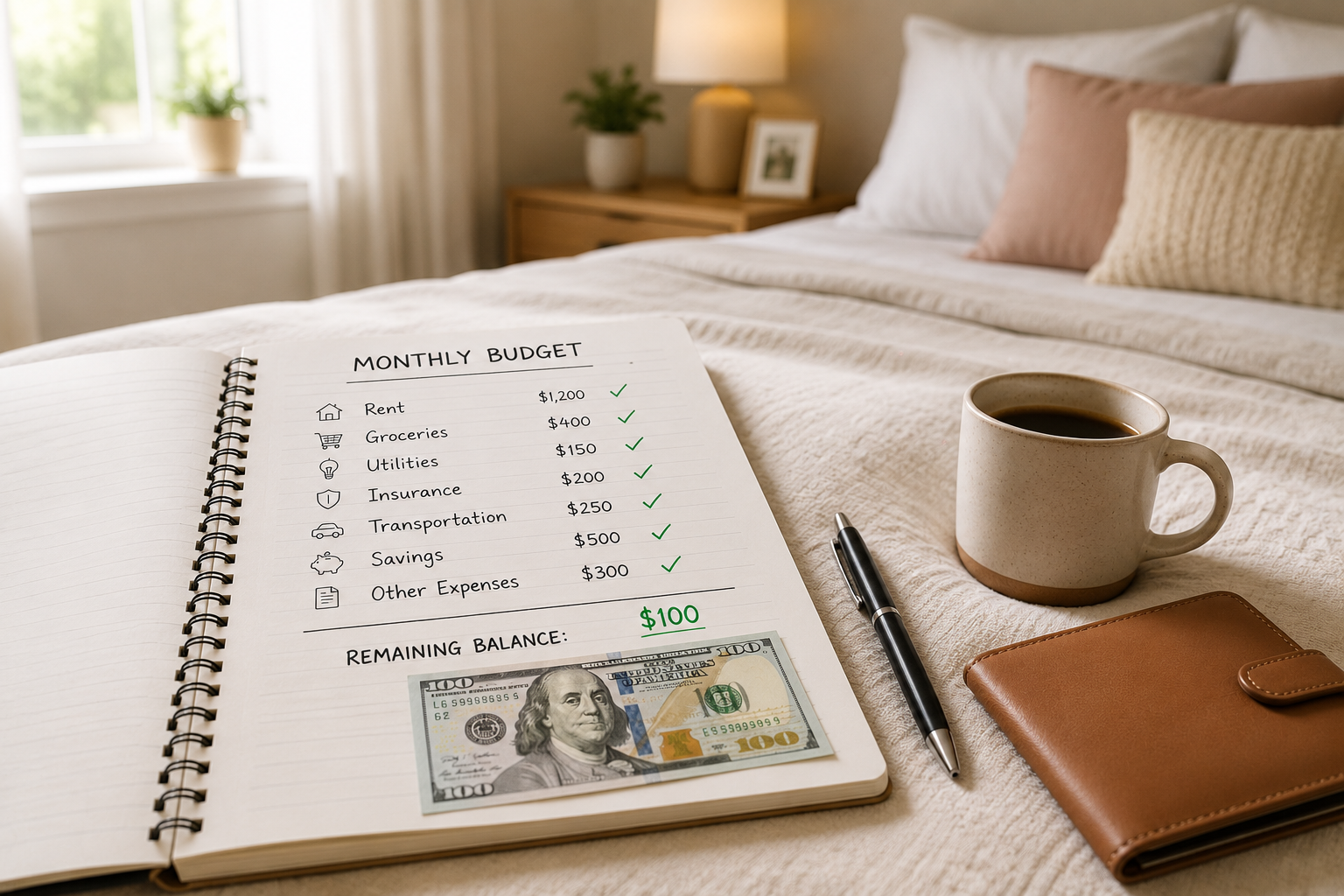
For example, if your monthly expenses are:
- Rent: $1,500
- Groceries: $500
- Utilities: $250
- Transportation: $300
- Insurance: $250
Your monthly expenses total $2,800.
That means keeping:
- One month = $2,800
- Two months = $5,600
This amount provides a cushion while reducing the risk of overdrafts and unexpected shortages.
Why Keeping Too Little Can Be Stressful
If your checking account balance regularly drops close to zero, you may face:
- Overdraft fees
- Missed payments
- Declined transactions
- Financial anxiety
Having a buffer allows you to absorb unexpected expenses without constantly worrying about your account balance.
Why Keeping Too Much Can Be Costly
Many people leave excessive amounts of money in checking accounts.
The downside?
That money often earns little or no interest.
Extra cash may be better used for:
- Building an emergency fund
- Paying down high-interest debt
- Contributing to retirement accounts
- Investing for long-term goals
- Moving money into a high-yield savings account
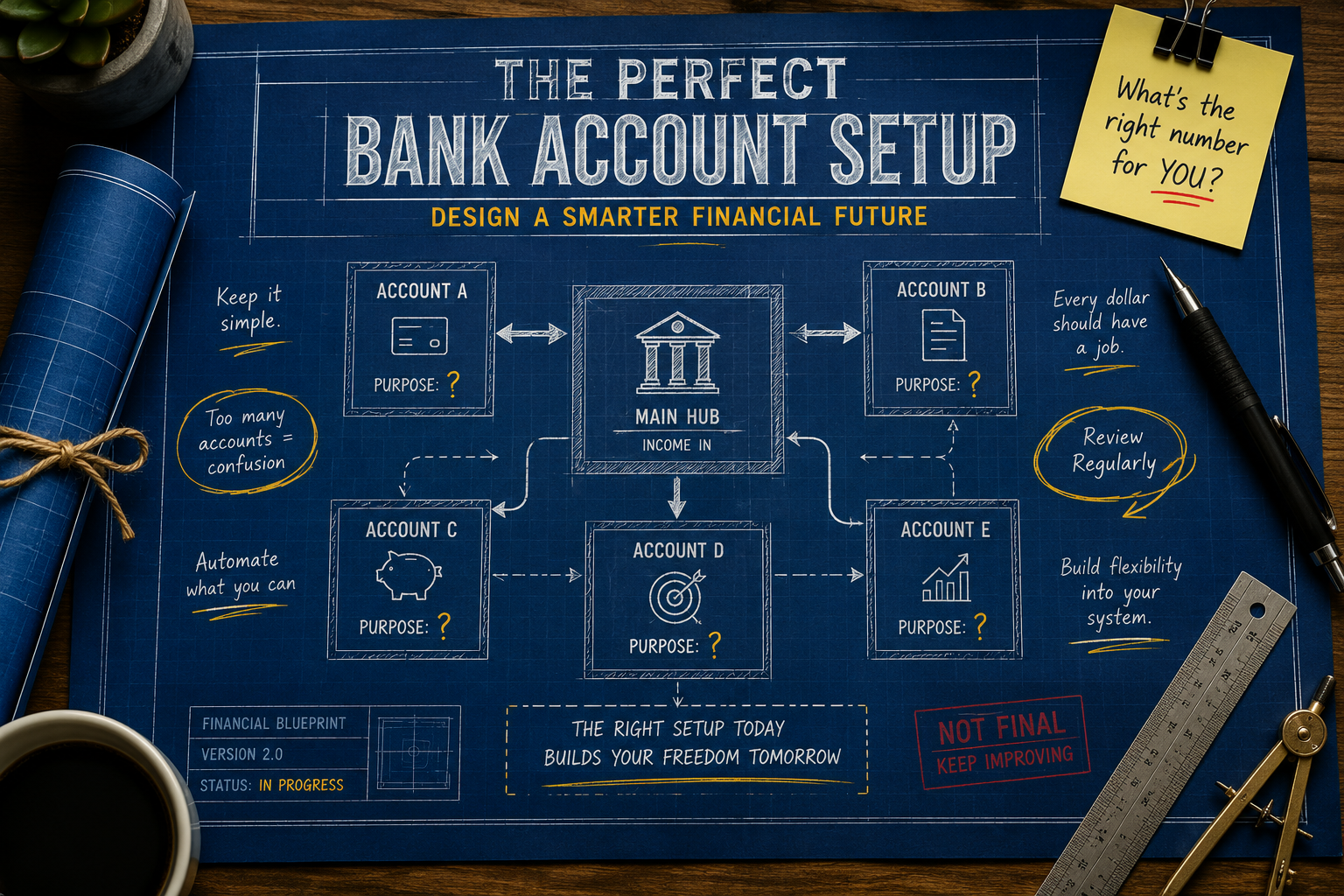
Every dollar should have a job.
A Better Strategy: The Three-Bucket System
Many financial experts recommend separating money into three categories.
Bucket 1: Checking Account
For bills and everyday spending.
Keep one to two months of expenses here.
Bucket 2: Emergency Fund
For unexpected events such as:
- Job loss
- Medical expenses
- Home repairs
- Car repairs
Store this money in a high-yield savings account.
Bucket 3: Long-Term Investments
For goals such as:
- Retirement
- Buying a home
- Wealth building
This system helps prevent confusion and keeps your money working efficiently.
Factors That Affect Your Ideal Balance
Income Stability
People with irregular income may prefer larger checking account buffers.
Household Size
Families often need more flexibility because expenses are less predictable.
Automatic Payments
If many bills are drafted automatically, maintaining a larger cushion can reduce the risk of overdrafts.
Personal Comfort
Some people sleep better with more money available.
Others prefer to move excess cash into savings or investments quickly.
What Many Articles Miss
Your checking account balance should change as your life changes.
Major events such as:
- Marriage
- Having children
- Buying a home
- Starting a business
- Job changes
may require a larger buffer.
Review your checking account needs periodically instead of relying on the same number forever.
Common Mistakes
Treating Your Checking Account Like a Savings Account
Checking accounts are for spending, not wealth building.
Ignoring Minimum Balances
Falling below required balances can lead to fees.
Keeping Every Dollar Accessible
Too much accessibility can make overspending easier.
Not Accounting for Annual Expenses
Insurance premiums, holiday spending, and property taxes can create temporary cash needs.
So, How Much Money Should You Keep in Your Checking Account?
For most people, the sweet spot is:
One to two months of essential expenses.
Enough to cover bills and unexpected surprises.
Not so much that your money sits idle doing nothing.
The ideal checking account balance isn’t about maximizing a number.
It’s about creating enough breathing room to manage daily life while putting the rest of your money to better use.
Because money should provide peace of mind—not just occupy space in your bank account.
More Ways to Manage Your Money