Budgeting advice often makes it sound like you need to monitor every penny, categorize every purchase, and update spreadsheets like it’s a full-time job. No wonder so many people give up after a few weeks.
But what if you could get most of the benefits of budgeting without obsessing over every cup of coffee?
That’s where the 80/20 Rule of Budgeting comes in. Inspired by the Pareto Principle, this approach suggests that roughly 80% of your financial results come from just 20% of your money decisions. In other words, a few key spending habits have a much bigger impact on your finances than dozens of small purchases.
What Is the 80/20 Rule of Budgeting?
The 80/20 Rule of Budgeting is based on the idea that a small number of expenses are responsible for the majority of your financial situation.
For most people, the biggest categories are:
Housing
Transportation
Food
Debt payments
Insurance
These expenses often account for 70% to 90% of your monthly spending. Meanwhile, smaller purchases like streaming services, coffee runs, or occasional takeout have a much smaller impact than people think.
Instead of trying to optimize everything, the 80/20 Rule of Budgeting encourages you to focus on the few areas that matter most.
Why Traditional Budgeting Fails
Many budgets fail because they’re too complicated.
People start with good intentions, but after tracking every expense for a few weeks, budgeting starts to feel like homework. Eventually, they stop updating their budget altogether.
The problem isn’t a lack of discipline. It’s unnecessary complexity.
The 80/20 Rule of Budgeting simplifies the process by helping you focus on the spending categories that have the biggest influence on your financial health.
Find Your Financial “Big Three”
Take a look at your bank statements from the last three months.
You’ll probably notice that three or four categories dominate your spending.
For example:
Category
Monthly Spending
Rent
$1,500
Transportation
$500
Groceries
$600
Entertainment
$100
Coffee
$40
Streaming Services
$25
In this example, reducing entertainment and coffee expenses won’t dramatically change your finances. But finding cheaper housing, reducing transportation costs, or meal planning could save hundreds of dollars every month.
That’s the power of the 80/20 Rule of Budgeting.
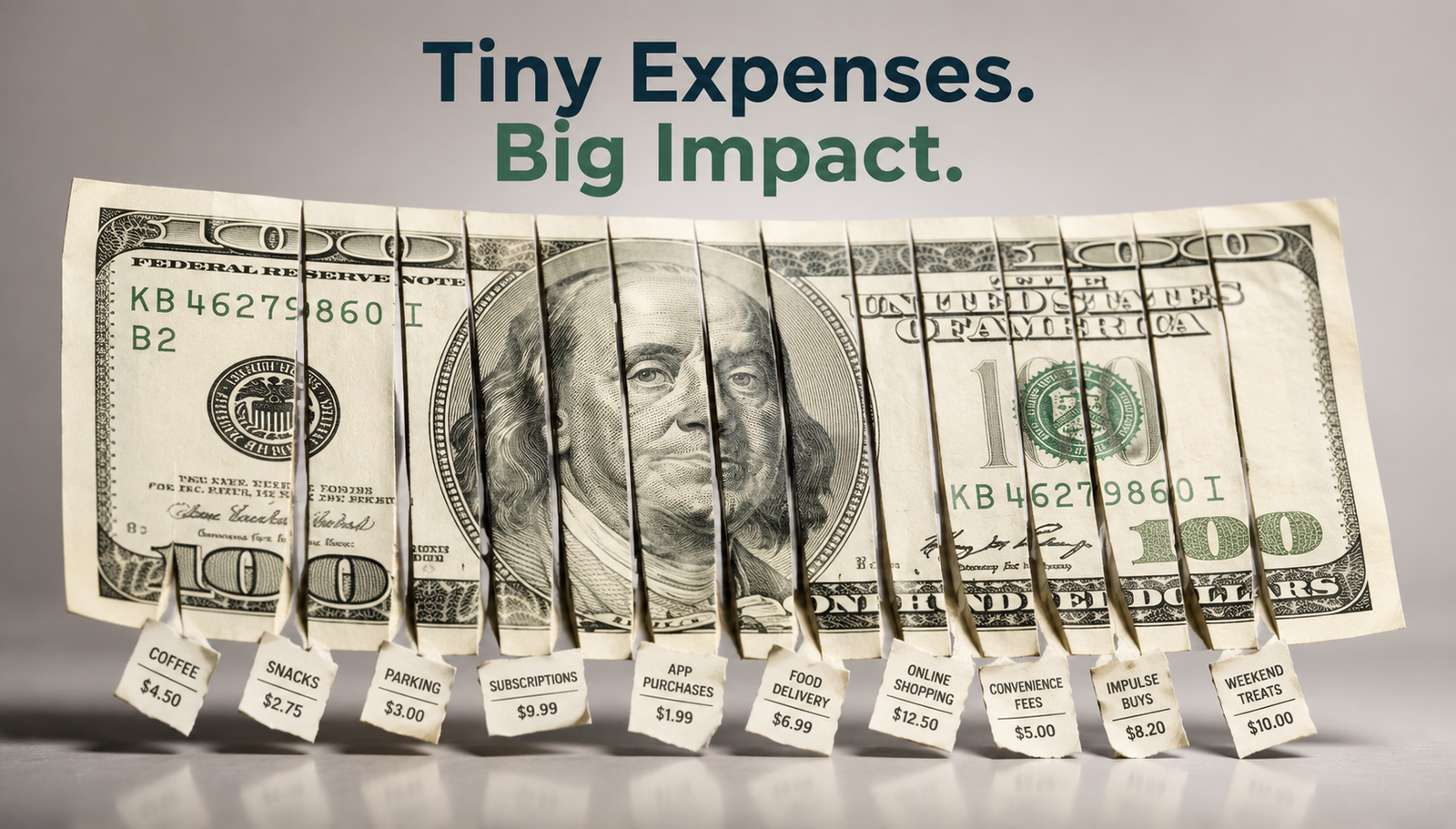
Stop Feeling Guilty About Small Purchases
Many people beat themselves up over small expenses.
They stress over a $5 coffee while ignoring a car payment that’s consuming half their paycheck.
Small purchases aren’t usually what destroy budgets. Major recurring expenses are.
If buying coffee brings you joy and fits within your overall financial picture, there’s no reason to feel guilty about it.
The goal isn’t perfection. It’s prioritization.
How to Apply the 80/20 Rule of Budgeting
1. Identify Your Biggest Expenses
Look at where most of your money goes each month.
Focus on categories that consume the largest percentage of your income.
2. Optimize the Big Stuff
Consider:
Refinancing debt
Negotiating insurance rates
Meal planning
Downsizing housing costs
Reducing transportation expenses
Saving $300 a month in one major category is easier and more impactful than cutting twenty different small expenses.
3. Automate Savings
Automating savings removes the temptation to spend money you intended to save.
Even a simple automatic transfer each payday can make a huge difference over time.
4. Don’t Sweat Every Dollar
You don’t need to track every single expense forever.
A budget should make your life easier, not more stressful.
Common Mistakes People Make
Obsessing Over Tiny Expenses
Cutting out every small pleasure often leads to burnout and budget fatigue.
Ignoring Fixed Expenses
Large recurring bills deserve far more attention than occasional purchases.
Making Budgeting Too Complicated
The best budget is the one you’ll actually stick with.
Who Should Use the 80/20 Rule of Budgeting?
This strategy works especially well for:
Budgeting beginners
Busy professionals
Families with unpredictable expenses
People who hate spreadsheets
Anyone who keeps abandoning traditional budgets
If you’ve failed at budgeting before, simplifying your approach may be exactly what you need.
Final Thoughts
The 80/20 Rule of Budgeting isn’t about ignoring your money. It’s about focusing on the decisions that matter most.
You don’t need to track every dollar or eliminate every little indulgence to make progress.
Most financial success comes from getting a few important things right—not from achieving budgeting perfection.
By concentrating on the biggest expenses and building sustainable habits, you can spend less time worrying about money and more time enjoying life.
Sometimes, the smartest budget isn’t the most detailed one. It’s the one you’ll actually follow.