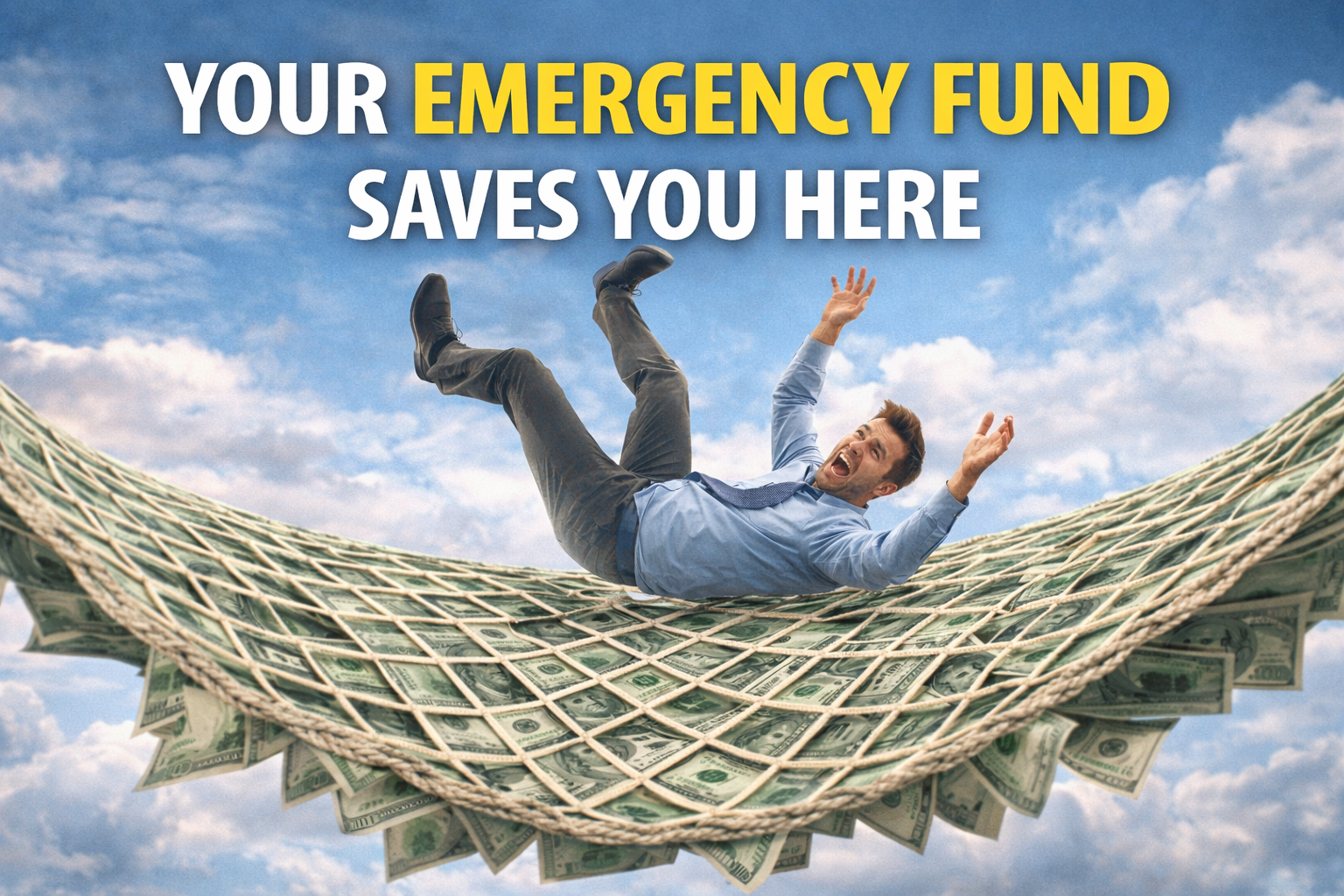
Building an emergency fund is one of the smartest financial moves you can make. It acts as a financial safety net when life throws unexpected problems your way.
But once you finally build that safety cushion, a new question appears: when is it actually okay to use it?
Many people either avoid touching their emergency savings at all costs or spend it too quickly on things that aren’t truly urgent. Knowing the difference can protect your finances and keep your safety net intact.
Here’s how to know when it’s the right time to use your emergency fund.
What an Emergency Fund Is Really For
An emergency fund exists for unexpected, necessary, and urgent expenses.
In other words, the expense should meet three criteria:
- Unexpected – You didn’t see it coming.
- Necessary – It’s not optional.
- Urgent – It needs to be handled quickly.
If an expense checks all three boxes, using your emergency fund is usually the right decision.
1. Sudden Medical Expenses
Medical issues are one of the most common reasons people use their emergency savings.
Even with insurance, unexpected costs can appear, such as:
- Emergency room visits
- Urgent medical procedures
- Prescription medications
- Unexpected dental work
When health is involved, delaying treatment can create bigger problems later. This is exactly the kind of situation an emergency fund is meant to cover.
2. Unexpected Car Repairs
If your car suddenly breaks down and you rely on it for work or daily life, it can quickly turn into a financial emergency.
Examples include:
- Transmission failure
- Brake replacement
- Engine problems
- Major repair bills
Without a functioning vehicle, many people can’t get to work or handle essential tasks. Using emergency savings to fix it helps prevent even bigger financial stress.
3. Job Loss or Sudden Income Reduction
Losing a job or experiencing a sudden drop in income is one of the biggest financial emergencies people face.
In these situations, your emergency fund helps cover essential expenses like:
- Rent or mortgage
- Utilities
- Groceries
- Insurance payments
This is why many experts recommend building an emergency fund that covers three to six months of expenses.
4. Urgent Home Repairs
Your home can also create unexpected financial surprises.
Major problems that require immediate attention include:
- A leaking roof
- Broken heating or air conditioning
- Plumbing emergencies
- Electrical issues
Delaying these repairs can often make the damage worse and more expensive to fix later.
5. Necessary Travel for Family Emergencies
Sometimes emergencies involve family situations that require immediate travel.
This might include:
- Visiting a sick family member
- Attending a funeral
- Handling urgent family matters
While travel is often considered discretionary spending, these situations are different. When family emergencies happen, your emergency fund can help you respond quickly.
When NOT to Use Your Emergency Fund
Just as important as knowing when to use your emergency fund is knowing when not to use it.
Your emergency savings should generally not be used for planned or non-essential expenses, such as:
- Vacations
- Holiday shopping
- New gadgets or electronics
- Concert tickets or entertainment
- Planned home upgrades
These types of expenses should be saved for separately.
Rebuilding Your Emergency Fund After Using It
Using your emergency fund doesn’t mean you’ve failed financially. In fact, it means the system worked exactly as intended.
Once the emergency is over, focus on rebuilding your savings as soon as possible.
You can do this by:
- Setting up automatic transfers to savings
- Temporarily reducing discretionary spending
- Directing bonuses or extra income toward rebuilding the fund
Even small contributions each month will gradually restore your financial cushion.
Final Thoughts
An emergency fund isn’t meant to sit untouched forever. Its purpose is to protect you when life delivers unexpected challenges.
If an expense is unexpected, necessary, and urgent, using your emergency savings is the responsible choice.
The key is using it wisely, then rebuilding it so you’re always prepared for the next financial surprise.