Emergency Fund vs Sinking Fund: Most People Don’t Know the Difference (But It Matters)
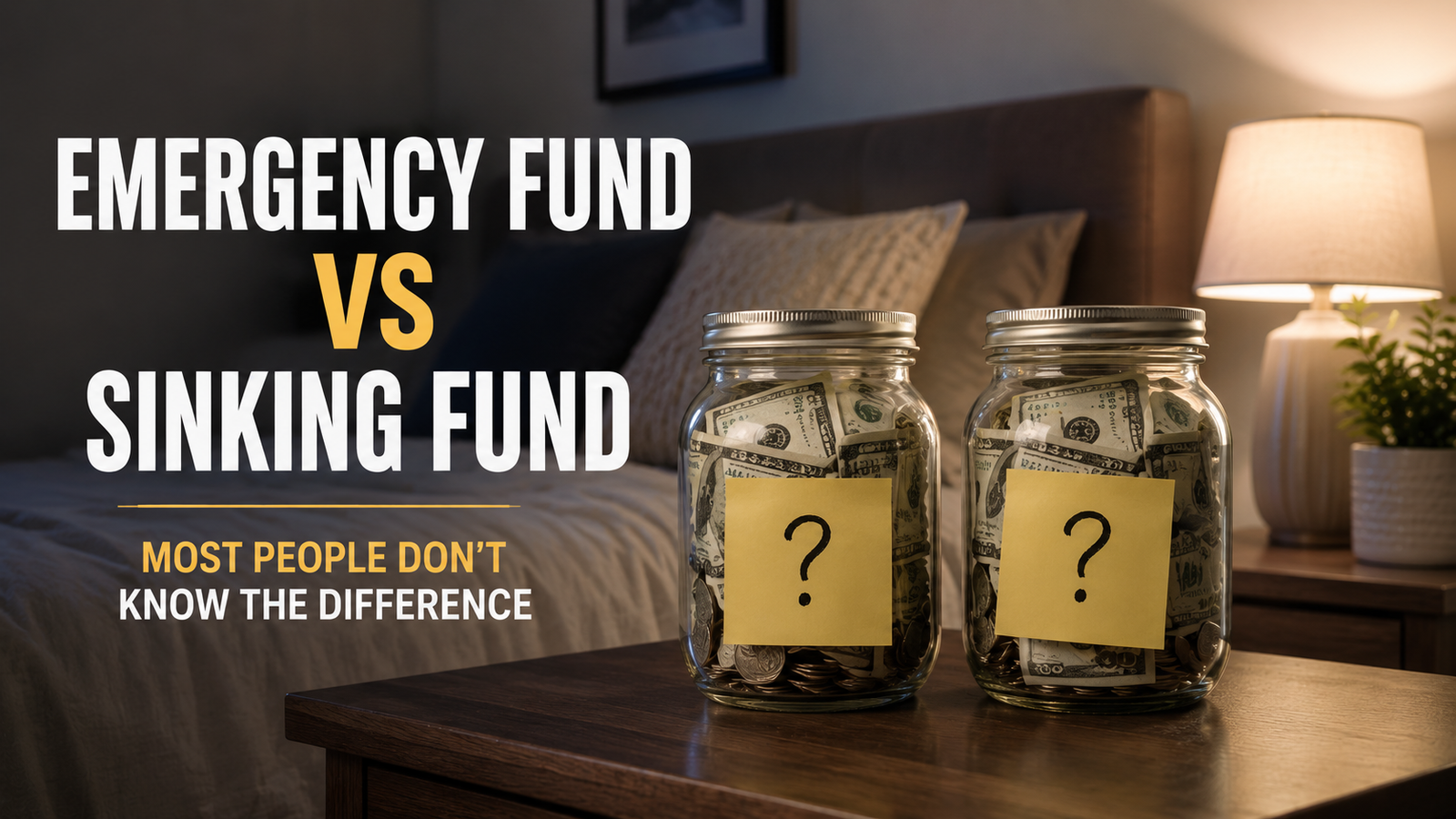
Emergency Fund vs Sinking Fund Most People Don't Know the Difference (But It Matters) - FG

Saving money is smart, but saving money without a purpose can sometimes create confusion.

One of the biggest mistakes people make is treating an emergency fund and a sinking fund as the same thing. While both help you prepare for future expenses, they serve very different purposes.

Understanding the difference can help you avoid unnecessary debt, reduce financial stress, and make your money work more effectively.

Here’s what you need to know.

How Much Emergency Fund Amount Do You Really Need? Most People Get It Wrong

How Much Emergency Fund Amount Do You Really Need? Most People Get It Wrong - FG

Financial experts often recommend saving three to six months of expenses.

But is that really the right number for everyone?

Not necessarily.

The truth is, the ideal emergency fund amount depends on your lifestyle, income stability, family responsibilities, and how comfortable you are with risk. While some people may sleep well with three months of savings, others might need a year or more.

Here’s how to figure out what works best for you.

When It’s Okay to Use Your Emergency Fund

When It’s Okay to Use Your Emergency Fund - FG

Building an emergency fund is one of the smartest financial moves you can make. It acts as a financial safety net when life throws unexpected problems your way.

But once you finally build that safety cushion, a new question appears: when is it actually okay to use it?

Many people either avoid touching their emergency savings at all costs or spend it too quickly on things that aren’t truly urgent. Knowing the difference can protect your finances and keep your safety net intact.

Here’s how to know when it’s the right time to use your emergency fund.