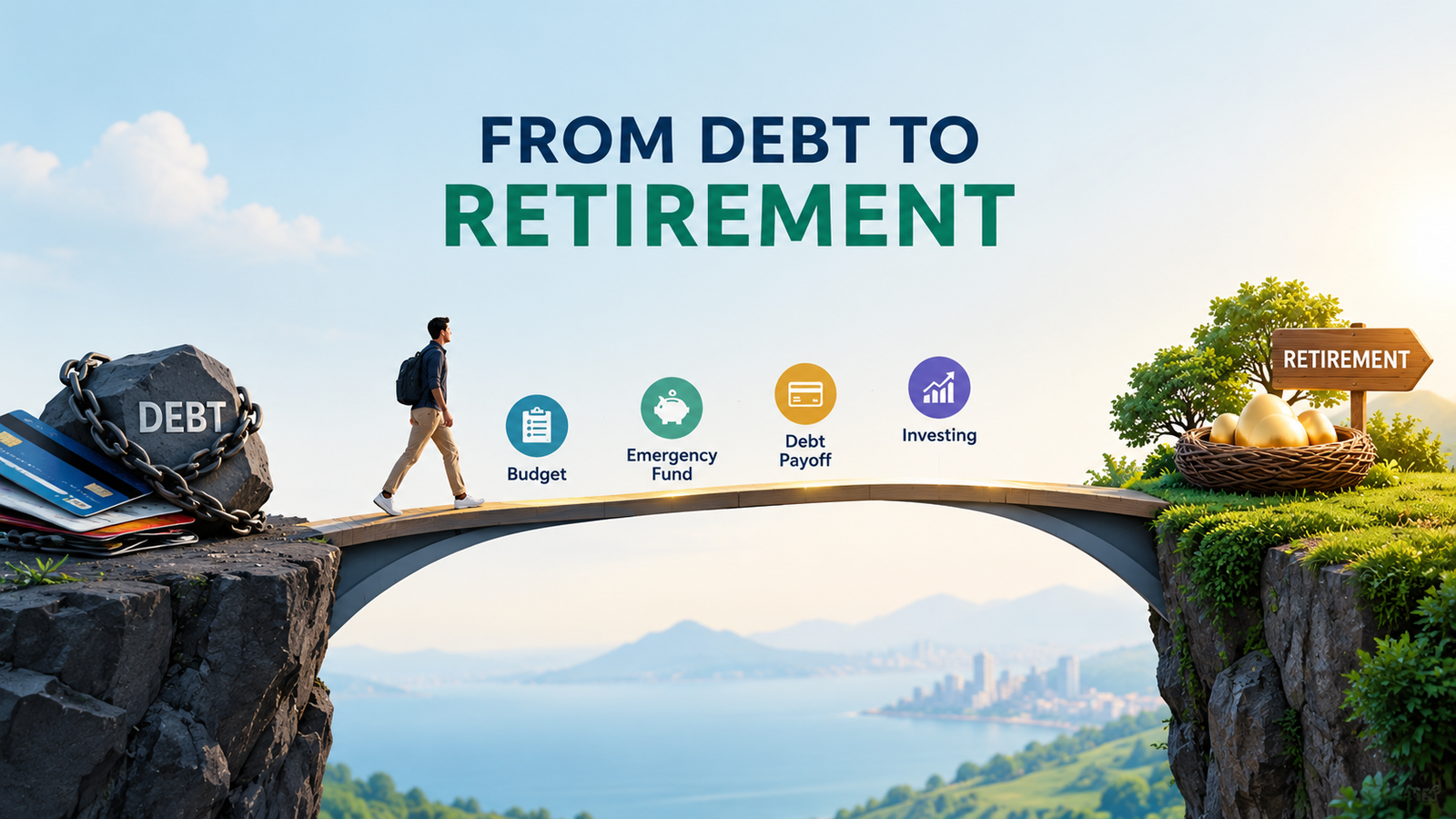
Debt and retirement savings can feel like two financial goals fighting for the same dollar.
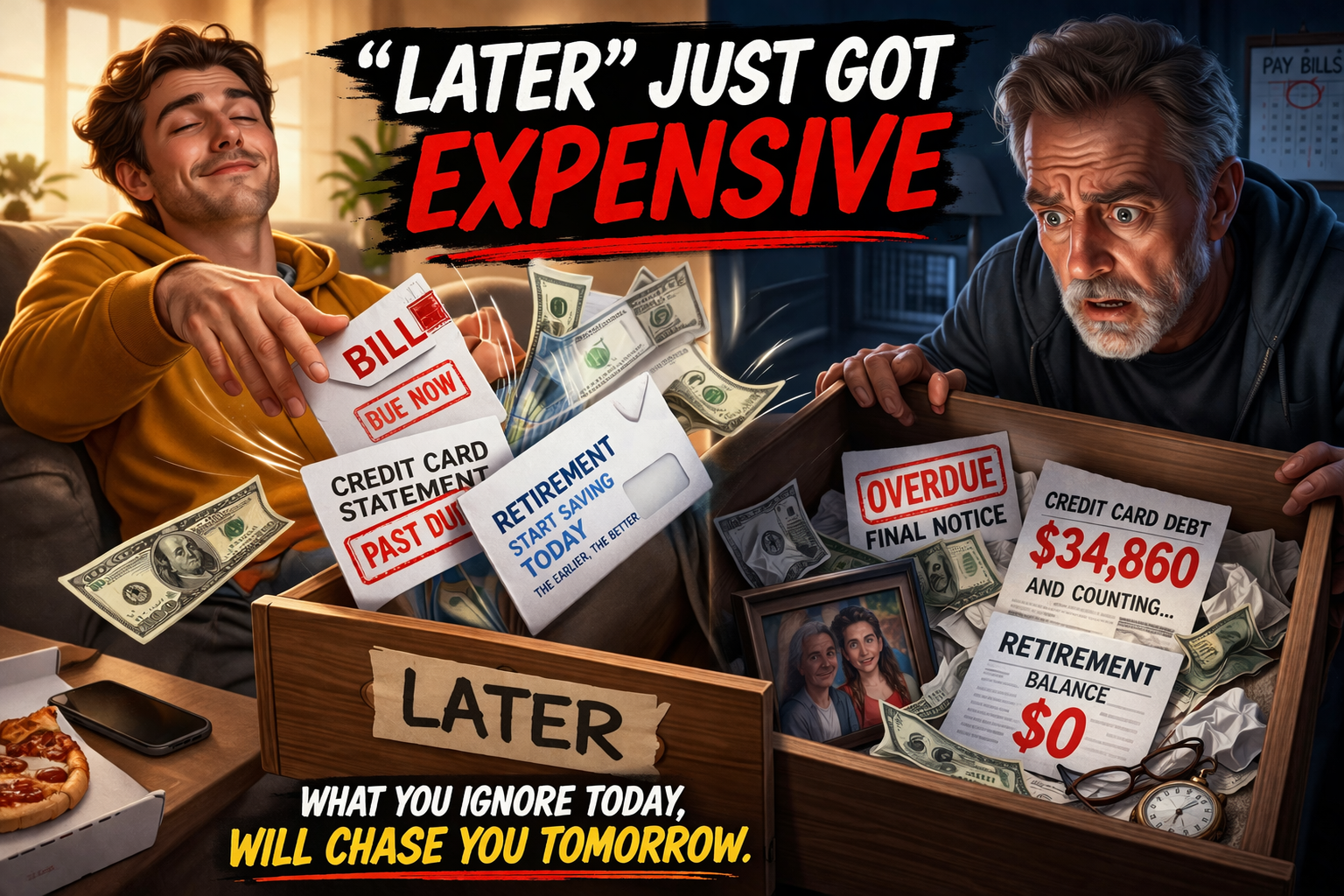
When you have credit card balances, personal loans, or other debt hanging over you, it’s tempting to forget about retirement until everything is paid off. But waiting too long to start saving for the future can create another problem later.
The better approach is to build a plan that tackles expensive debt while keeping your long-term financial goals moving forward. You don’t need a perfect financial situation to make progress. You need a system that gives your money a clear job.
Here are five practical ways to work on both goals at the same time.
1. Know Exactly Where Your Money Is Going
Before deciding how much to put toward debt or retirement, get a clear picture of your monthly cash flow.
Start with your take-home income, then list your fixed expenses, variable spending, debt payments, and current savings contributions. A realistic monthly budget can show you whether you actually have extra money available or whether your spending is quietly eating up your income.
The goal isn’t to create an impossibly strict budget. It’s to find the gap between what comes in and what goes out.
For example, if you bring home $5,000 per month and spend $4,300, you have a $700 surplus. That money could potentially be divided between additional debt payments, retirement contributions, and other financial goals.
Your first priority should be understanding the numbers. You can’t make a useful debt payoff plan when you don’t know how much money you have available each month.
2. Stop Adding New Debt While Paying Off the Old
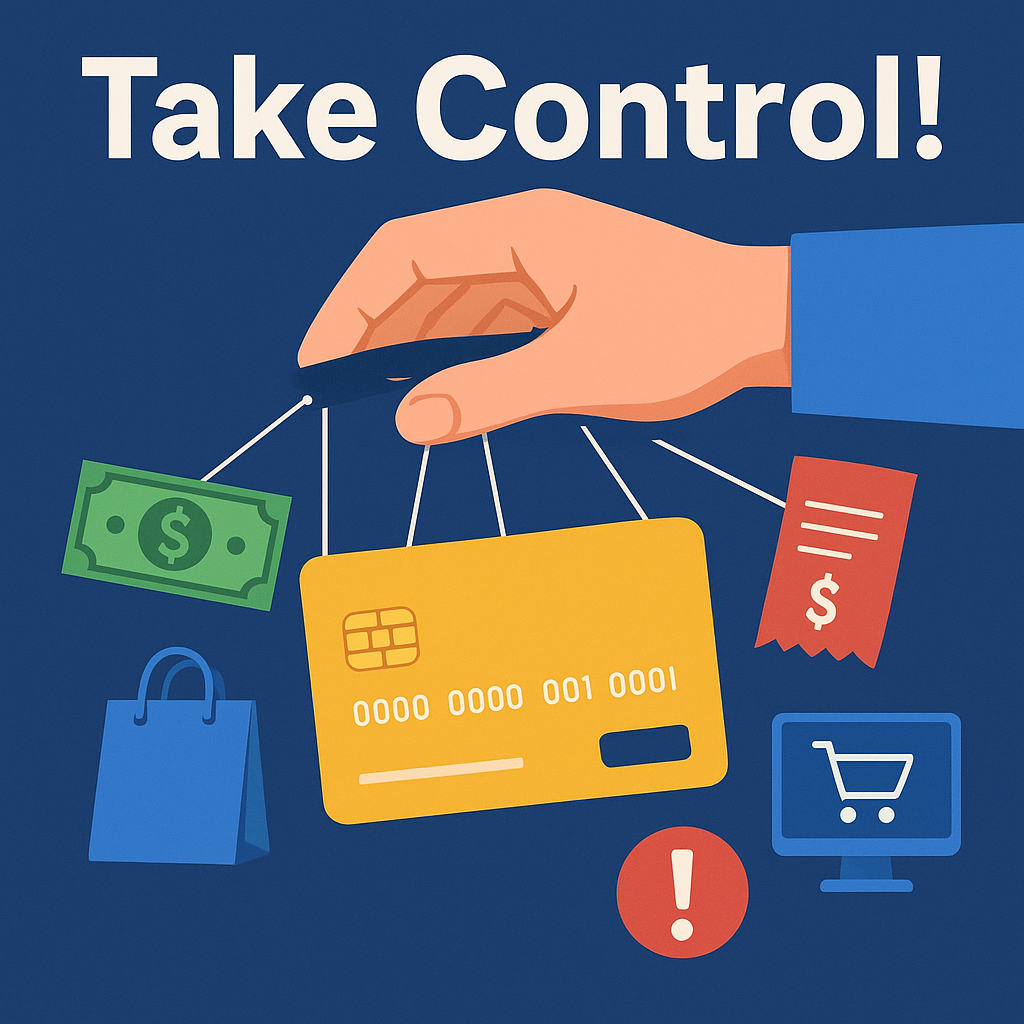
Paying down a credit card while continuing to use it for everyday purchases can feel like running on a treadmill.
You make a payment, the balance falls, then new purchases push it back up again. If you’re carrying a balance, interest can make the process even slower.
That doesn’t necessarily mean you need to stop using every credit card forever. Instead, separate everyday spending from borrowing.
If your budget is already stretched, look for areas where you can temporarily reduce spending. Subscriptions, frequent takeout, impulse purchases, and unused memberships can all provide opportunities to free up cash.
A recent review of your bank statements can be especially useful because recurring charges and small purchases are easy to overlook. Even modest monthly savings become more useful when the money is redirected toward a specific goal.
The important part is breaking the cycle of paying down debt and immediately replacing it.
3. Attack High-Interest Debt With Extra Money
Once your basic expenses are covered and you’re no longer adding unnecessary debt, direct extra cash toward your most expensive balances.
Credit card debt deserves particular attention because high interest rates can make balances surprisingly difficult to eliminate. Paying only the minimum may keep the account current, but it can also stretch the repayment period considerably.
You can choose a debt payoff method that works for you. Some people prefer focusing on the highest interest rate first because it can reduce interest costs. Others prefer paying off the smallest balance first to create quick psychological wins.
Whatever method you use, make the minimum payment on every debt and direct additional money toward the debt you’re targeting.
And don’t ignore unexpected money.
A tax refund, bonus, cash gift, side-income payment, or other windfall doesn’t automatically have to become spending money. Putting part of it toward debt can shorten your repayment timeline without requiring you to find extra money in every monthly budget.
If you regularly have money left after covering your expenses, that [budget surplus] can become a powerful tool for accelerating debt repayment or strengthening your savings.
4. Keep Building a Financial Safety Net
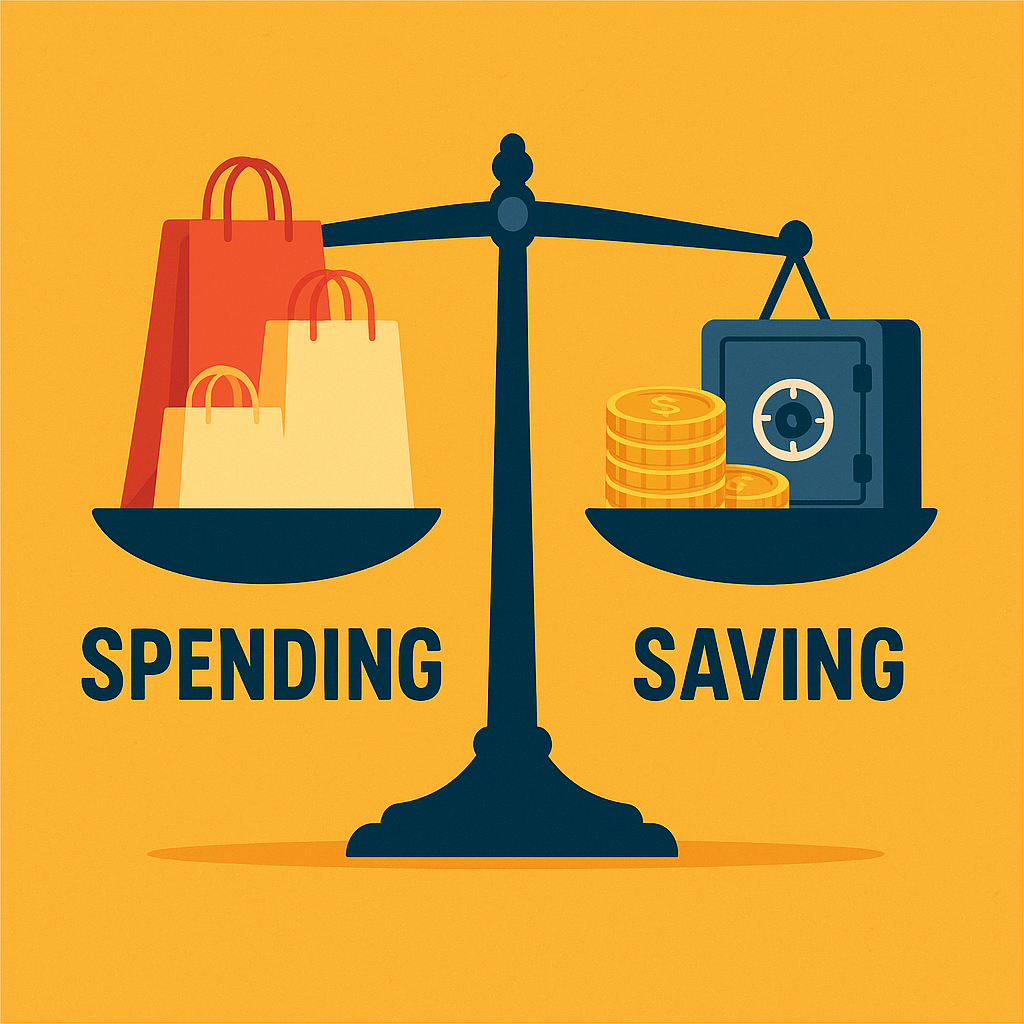
There’s a common temptation to throw every spare dollar at debt and leave your savings account nearly empty.
That can backfire.
An unexpected car repair, medical bill, home expense, or temporary loss of income could force you to use a credit card again. Suddenly, the debt you worked so hard to eliminate starts coming back.
That’s why an emergency fund can be an important part of the debt payoff process.
You don’t necessarily need to build a huge cash reserve immediately. Start with an amount that gives you some breathing room, then gradually increase it as your financial situation improves.
It also helps to understand the difference between an emergency fund and money saved for planned expenses. An emergency fund is designed for unexpected financial problems, while a sinking fund can help you prepare for predictable costs such as insurance bills, annual subscriptions, car maintenance, or holidays.
Having separate buckets for these purposes can reduce the temptation to put planned expenses on a credit card.
5. Don’t Put Retirement Savings on Permanent Pause
Paying off debt is important, but retirement planning shouldn’t automatically disappear from your budget.
If your employer offers a retirement plan with a matching contribution, understand how the match works before deciding to stop contributions completely. In some situations, contributing enough to receive the available employer match can allow you to work toward retirement while aggressively addressing debt elsewhere.
You can also increase retirement contributions gradually as your debt balance falls.
For example, suppose you currently put 5% of your income toward retirement while making extra debt payments. Once one debt is eliminated, you could redirect part of the payment toward retirement instead of allowing that money to disappear into lifestyle spending.
The same idea applies to raises. Instead of allowing every increase in income to become a permanent increase in spending, consider sending a portion toward retirement or debt repayment.
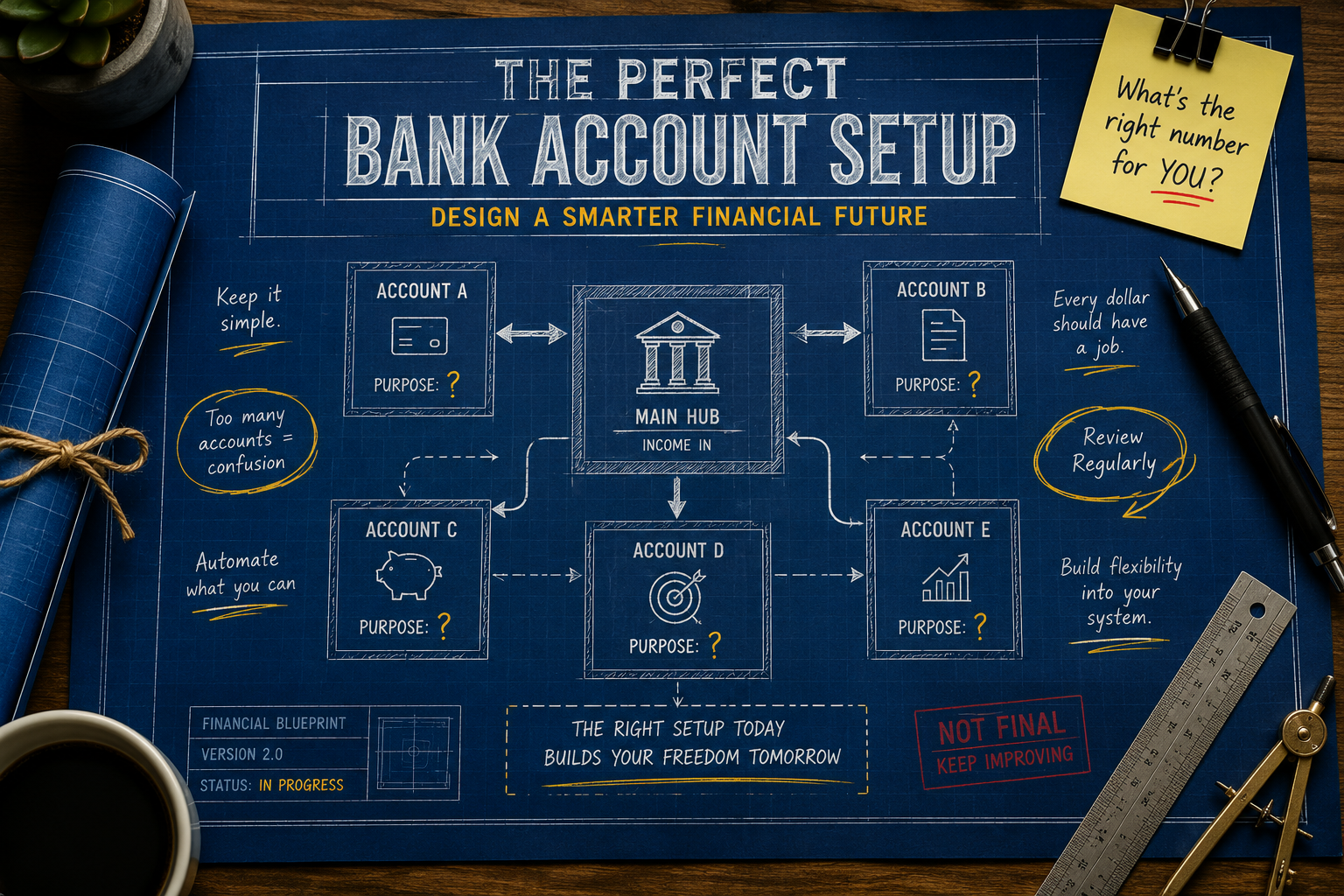
This is where paying yourself first can become useful. Automating a savings or investment transfer shortly after payday removes the need to make the decision manually every month.
How to Balance Debt and Retirement
There isn’t one percentage that works for everyone.
Someone carrying expensive credit card debt may need to direct more cash toward repayment. Someone with manageable debt and a strong emergency fund may have more room to increase retirement contributions.
Your income, interest rates, employer benefits, emergency savings, age, and retirement goals all matter.
The important thing is to avoid thinking about debt and retirement as completely separate problems. Improving one can eventually make the other easier.
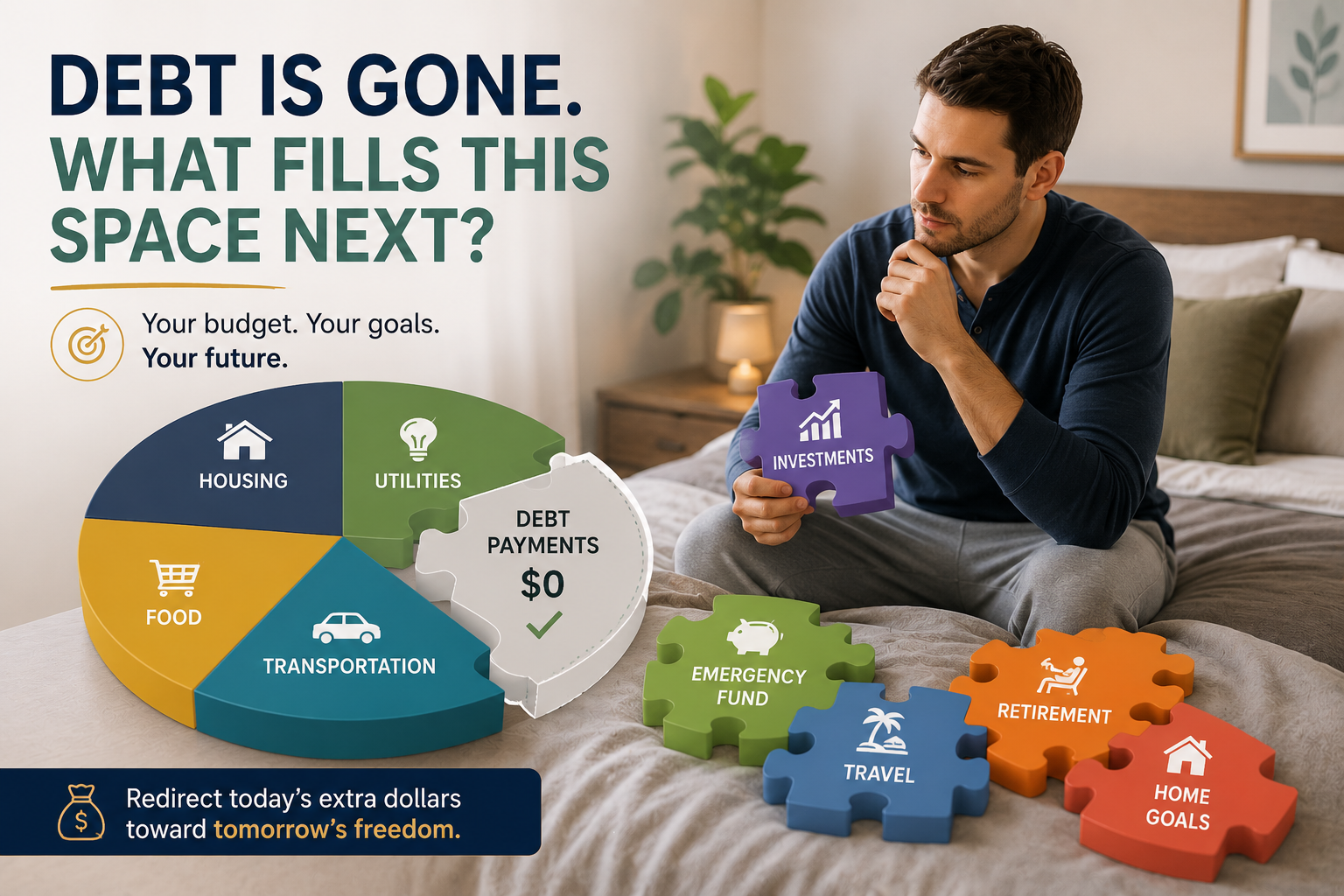
As your debt payments disappear, your monthly cash flow improves. Instead of increasing your lifestyle expenses, you can redirect that freed-up money toward retirement accounts, investments, or other long-term goals.
Final Thoughts
Getting out of debt while preparing for retirement doesn’t require extreme financial sacrifices or an overnight transformation.
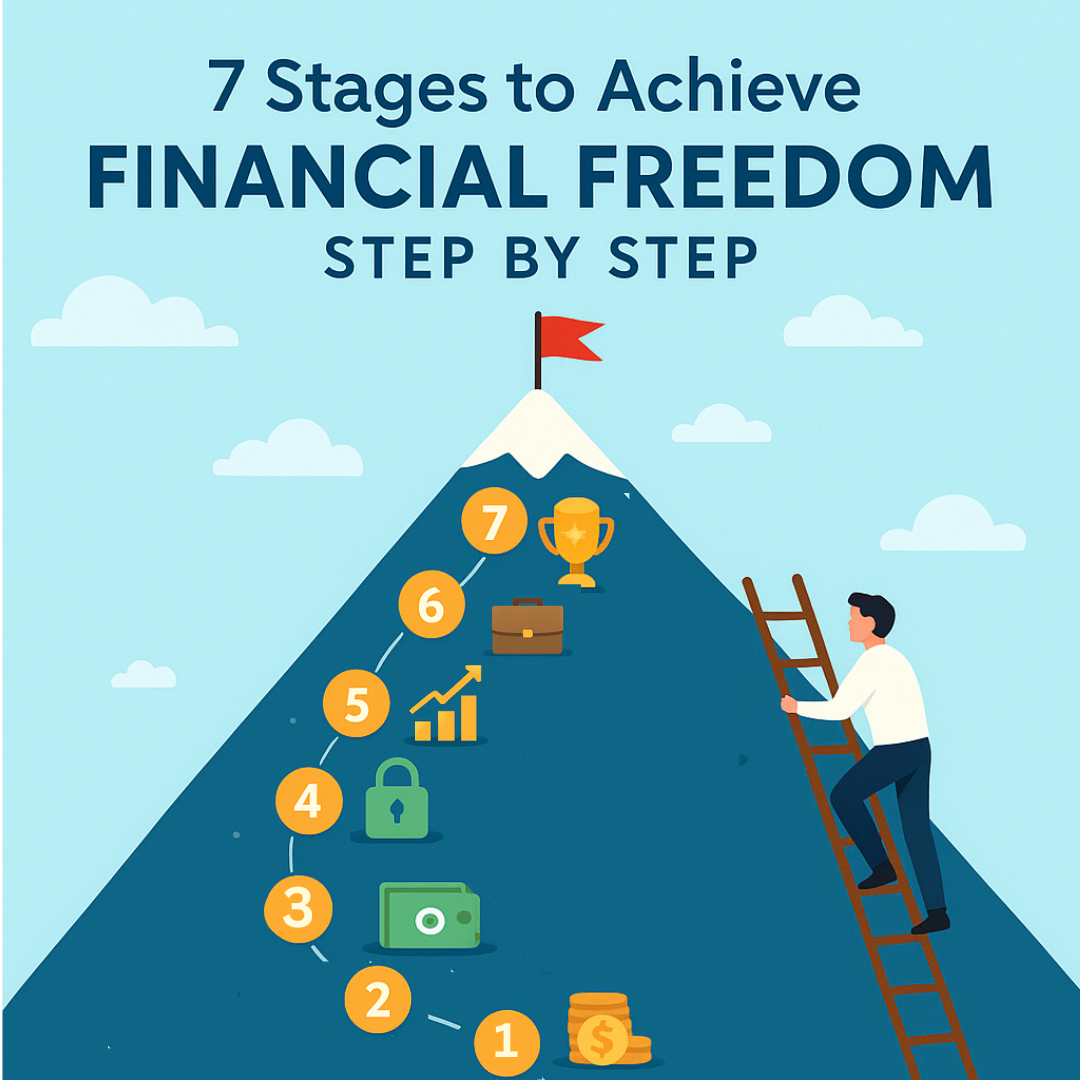
Start by understanding your monthly cash flow. Stop adding unnecessary debt, target expensive balances, maintain a reasonable emergency cushion, and keep retirement savings moving where possible.
Most importantly, give every extra dollar a purpose.
A dollar used to reduce high-interest debt can save future interest. A dollar invested for retirement can work toward a long-term goal. A dollar kept in an emergency fund can prevent an unexpected expense from becoming new debt.
The goal isn’t simply to become debt-free. It’s to reach a point where your money is no longer constantly repairing yesterday’s financial decisions—and can finally start building tomorrow’s.