Paying your bills is one thing. Having enough money left afterward to actually live, save, handle unexpected expenses, and make progress toward your financial goals is another.
So, how much money should be left after bills?
There isn’t one magic dollar amount that works for everyone. Someone earning $3,000 a month will have very different expenses from someone earning $8,000, while housing costs, debt payments, family size, and financial goals can also change the picture.
Instead of focusing on one number, it’s more useful to look at what your remaining money needs to accomplish each month.
What Counts as a Bill?
Before figuring out how much should be left, you need to know what you’re actually paying every month.
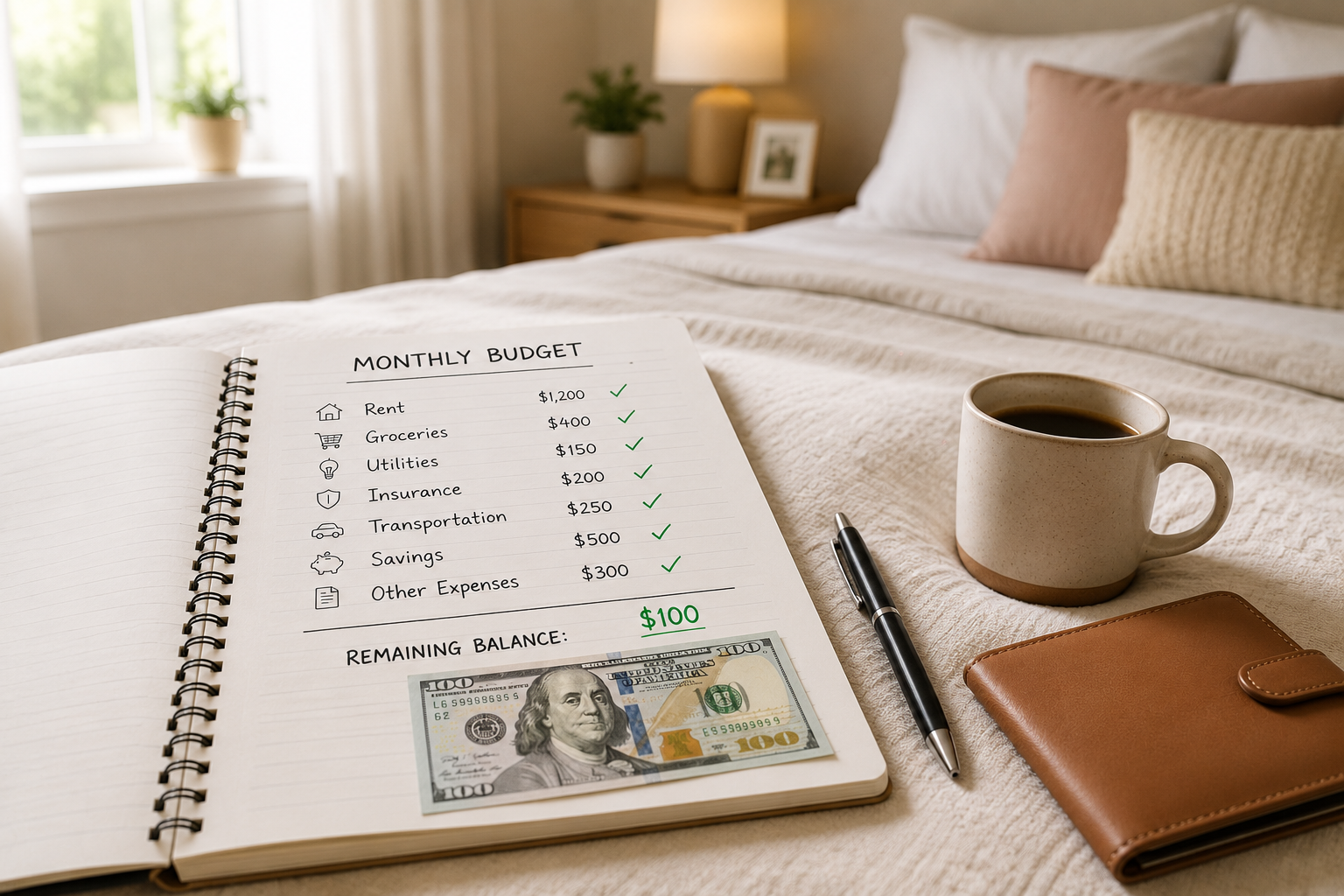
Your regular bills may include:
Rent or mortgage
Electricity and other utilities
Internet and phone
Insurance
Car payments
Student loan payments
Credit card or other debt payments
Childcare
Subscriptions and memberships
Some expenses aren’t technically bills but still need to be included in your monthly budget. Groceries, transportation, household purchases, medical expenses, entertainment, and personal spending can add up quickly.
This is why simply subtracting your bills from your income can give you a misleading picture.
If you earn $5,000 and your bills total $3,000, it may look like you have $2,000 left to spend. But that $2,000 still has to cover groceries, gas, savings, unexpected expenses, and everything else that doesn’t arrive as a monthly bill.
So, How Much Should Be Left?
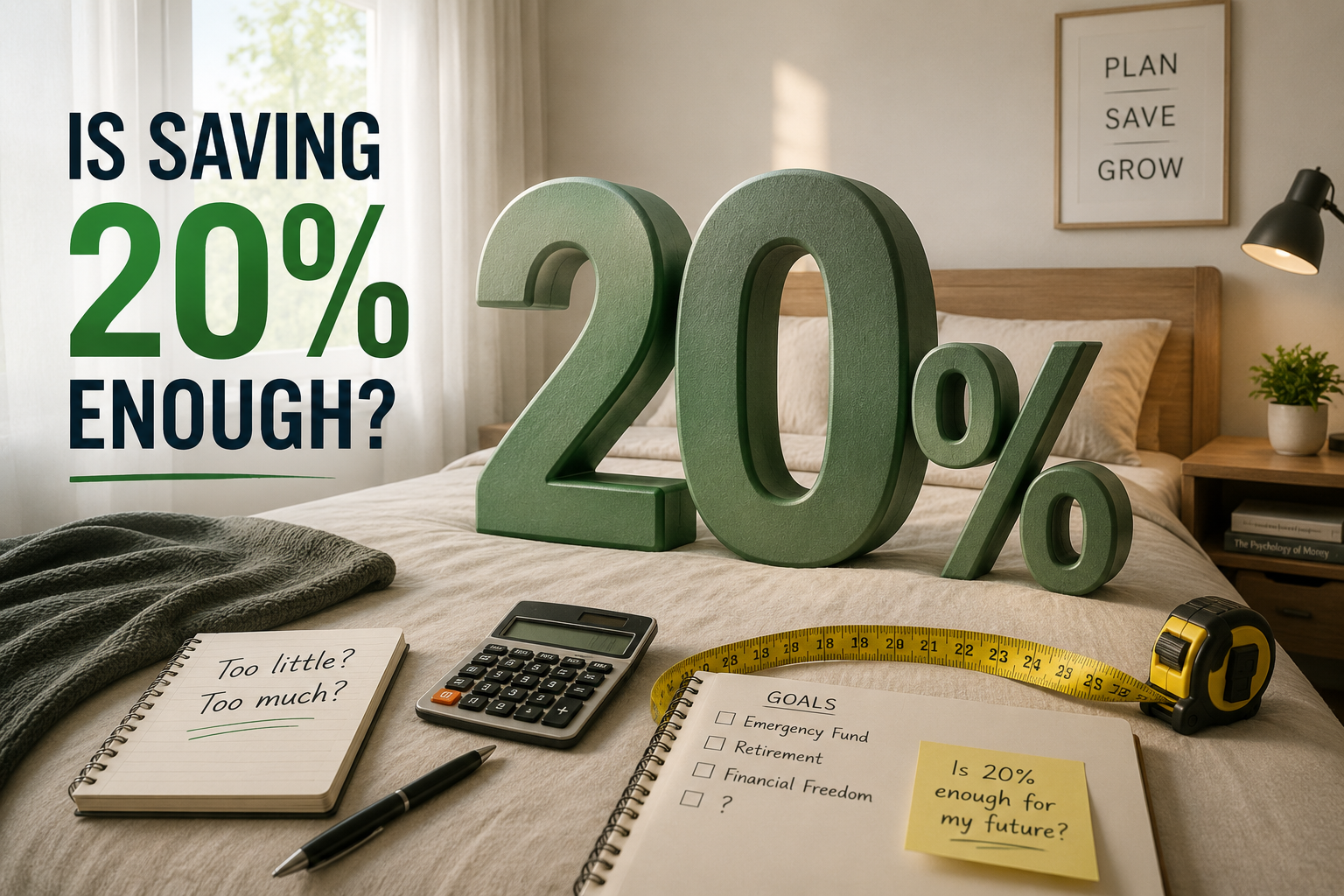
A useful starting point is to aim for at least 20% of your take-home income to remain after essential bills, but this shouldn’t be treated as a hard rule.
For example, if you bring home $5,000 per month:
$3,500 in bills and essential expenses = 70%
$1,500 remaining = 30%
That remaining $1,500 could then be divided between savings, debt payments, discretionary spending, and other financial priorities.
Someone else might have higher housing costs and only have 15% left after essential expenses. That doesn’t automatically mean their budget is failing. It may simply mean they need to make adjustments elsewhere or prioritize reducing certain expenses over time.
The more important question is:
Does the money left after your essential expenses allow you to cover your remaining needs and still make progress toward your goals?
Don’t Forget About Savings
One of the biggest mistakes people make is treating whatever is left at the end of the month as savings.
A better approach is to give savings a specific place in your budget.
Your remaining money may need to cover several types of savings, including:
Emergency savings
Retirement contributions
Short-term goals
Vacation or major purchases
Home or car repairs
Other planned expenses
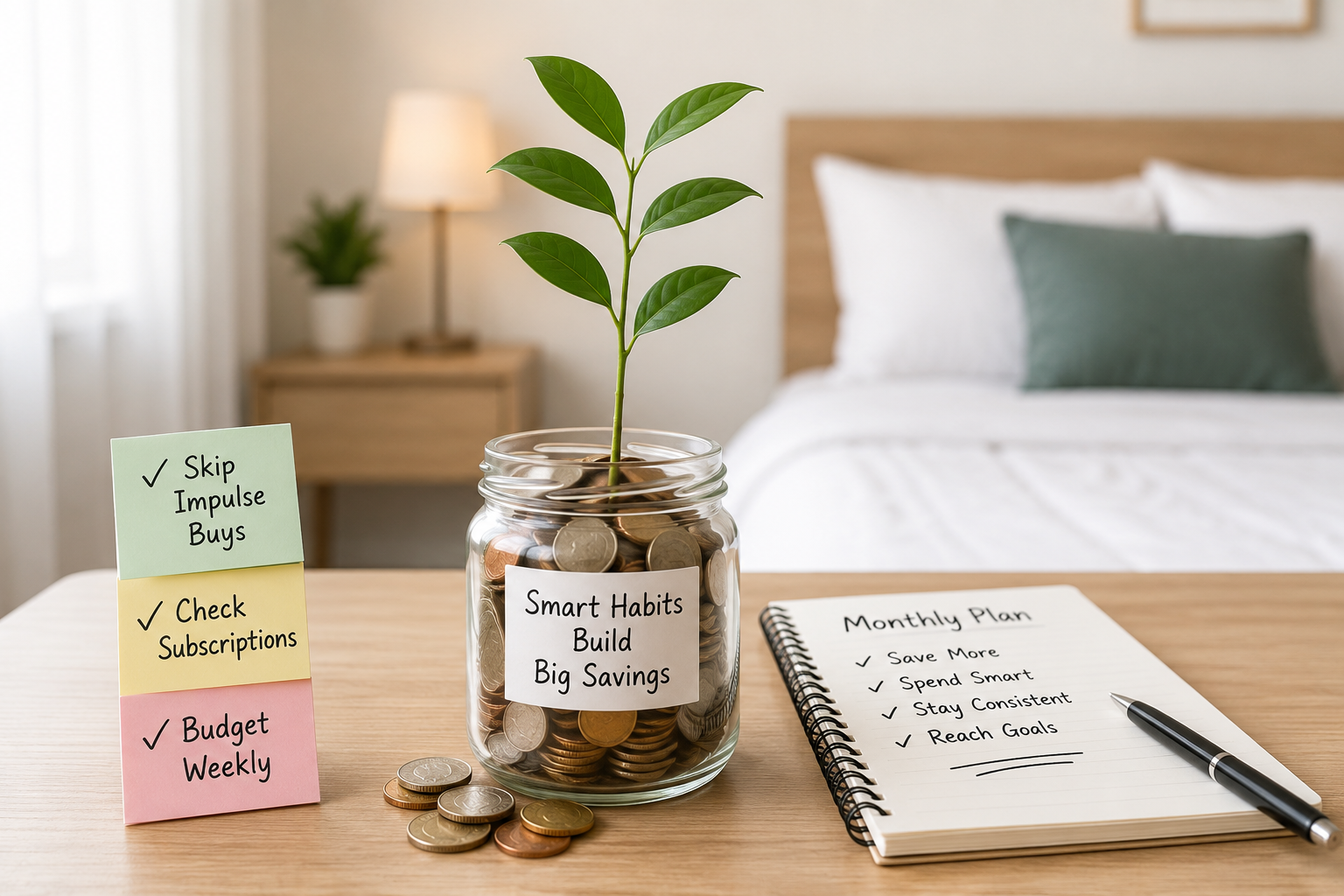
Even if you can’t save a large amount right now, consistently setting aside something each month can help create a financial cushion.
And if you have an emergency fund to build, some of your leftover money may need to go there before you increase spending on wants.
What If Almost Nothing Is Left?
If your bills consume nearly your entire paycheck, the problem isn’t necessarily that you’re spending too much on small purchases.
Sometimes the biggest expenses are the real issue.
Housing, transportation, insurance and debt payments can take up a significant portion of a household’s income. Cutting a few streaming subscriptions may help, but it won’t have the same impact as reducing a major recurring expense.
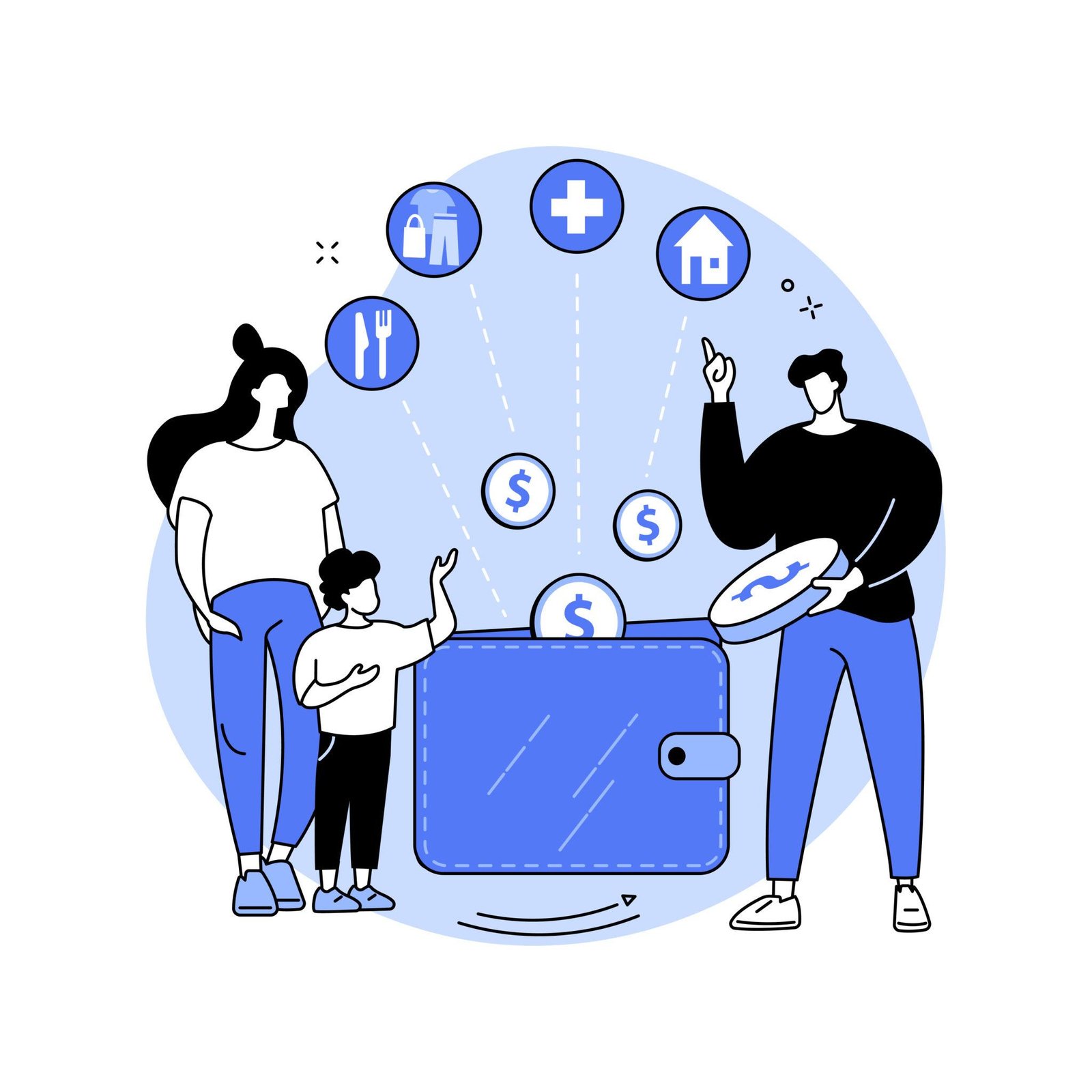
Start by separating your expenses into three categories:
Needs: Expenses you need to maintain your household and basic lifestyle.
Wants: Expenses that make life more enjoyable but could potentially be reduced or eliminated.
Financial goals: Savings, investing, and extra debt payments.
Once you see where your money is going, it becomes much easier to identify which expenses are actually putting pressure on your budget.
What If You Have a Lot Left Over?
Having a significant amount of money left after your bills is generally useful—but it doesn’t mean you should automatically spend it.
If your essential expenses are covered and you have substantial money remaining, consider giving that money a purpose.
You can also allocate some of it toward things you enjoy.
A budget isn’t supposed to eliminate spending on restaurants, entertainment, hobbies, travel or other wants. The goal is to make sure those purchases fit into your financial situation rather than accidentally consuming money needed for more important priorities.
A Simple Example
Let’s say your monthly take-home income is $6,000.
Your essential expenses might look something like this:
Expense
Monthly Amount
Housing
$1,800
Utilities & phone
$300
Groceries
$600
Transportation
$500
Insurance
$300
Debt payments
$400
Total
$3,900
That leaves $2,100.
But that $2,100 isn’t simply “extra money.”
You could divide it between emergency savings, retirement, additional debt payments, entertainment, personal spending, and irregular expenses.
For example, you might decide to put $800 toward savings and financial goals, $500 toward additional debt payments or investing, $500 toward discretionary spending, and keep $300 available for irregular expenses.
The exact amounts aren’t important. What matters is that the leftover money has a job.
Don’t Forget Irregular Expenses
Your monthly budget can look perfectly healthy until something happens that isn’t included in your normal bills.
A car needs a repair. Your annual insurance premium is due. You need a new laptop. Your child needs something for school. You have an unexpected medical expense.
These expenses aren’t necessarily monthly, but they are part of real life.
That’s why it can be useful to set aside money each month for expenses that occur periodically. Instead of being surprised by a $1,200 expense once a year, you could set aside $100 per month for that category.
This makes your budget more realistic and reduces the chance that an irregular expense will end up on a credit card.
A Good Budget Should Leave You Some Breathing Room
There’s an important difference between a budget that technically works and one that gives you financial breathing room.
If every dollar of your income is already committed before the month begins, even a relatively small unexpected expense can throw everything off.
Having some uncommitted money in your budget can provide flexibility. It can help you deal with price increases, unexpected purchases, or simply a more expensive month without immediately relying on credit.
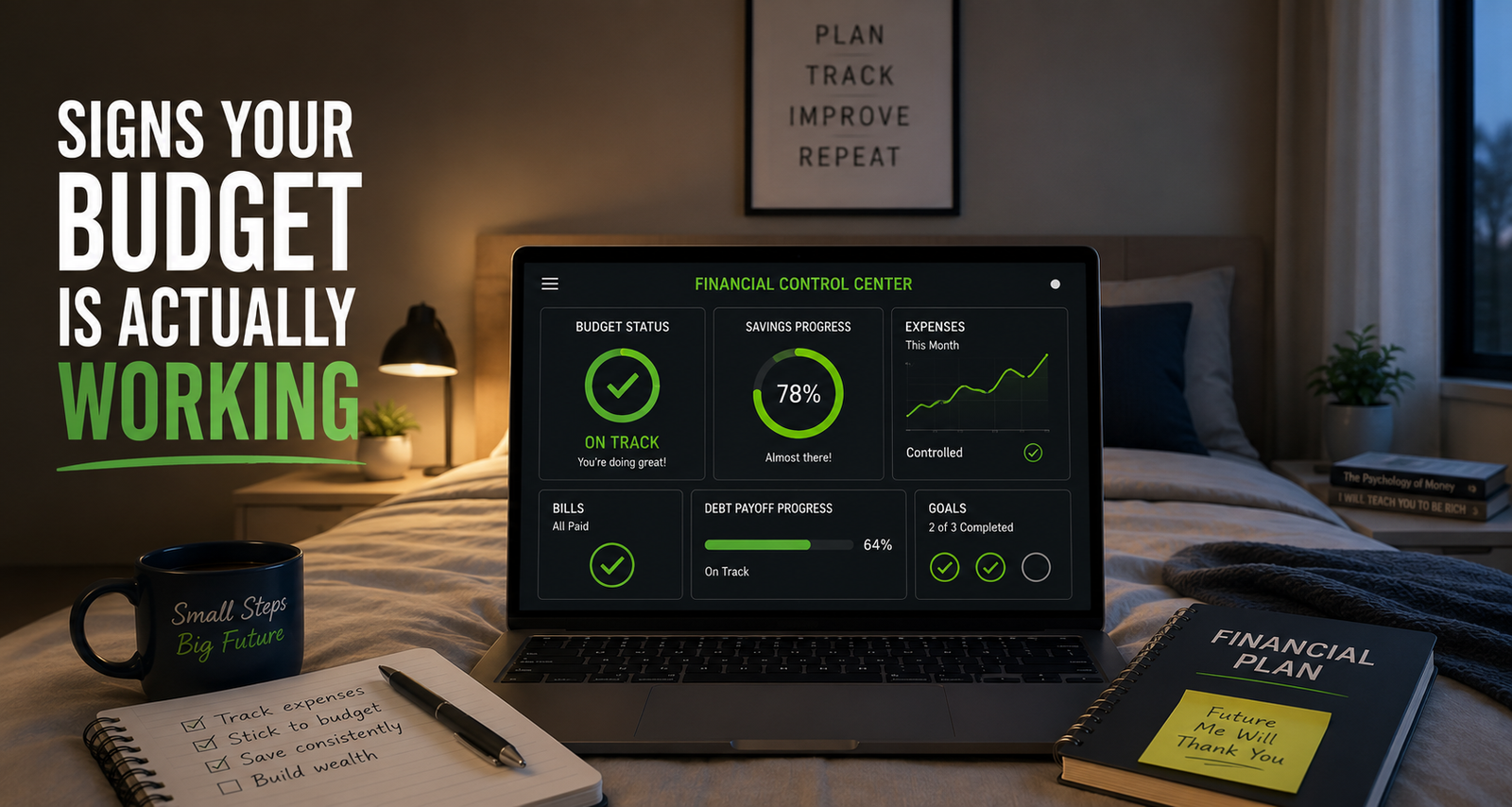
Your goal shouldn’t necessarily be to maximize the amount left after bills.
Your goal should be to have enough left to handle your everyday spending, save for the future, deal with surprises, and still enjoy your money.
How to Figure Out Your Own Number
The easiest way to determine whether you have enough money left after bills is to build your budget around your actual numbers.
Start with your monthly take-home income.
Then subtract your essential expenses, including housing, utilities, groceries, transportation, insurance and minimum debt payments.
From what remains, account for savings, additional debt payments, irregular expenses and discretionary spending.
If the numbers don’t work, don’t immediately assume you need to cut everything you enjoy. Look at your largest recurring expenses first and identify which ones can realistically be reduced.
A good budget isn’t about making every month look perfect. It’s about making sure your income has a clear purpose before you spend it.
The Bottom Line
So, how much money should be left after bills?
There is no universal dollar amount. As a general starting point, having 20% or more of your take-home income available after essential expenses can give you more room for savings, financial goals and discretionary spending—but your personal circumstances matter more than any percentage.
If very little is left, look at your largest expenses and see whether you can create more breathing room. If you have a substantial amount left, give that money a purpose instead of letting it disappear through unplanned spending.
The most useful number isn’t simply how much money is left after paying your bills.
It’s how much money is left after your essential expenses—and whether that money is enough to support the rest of your financial life.