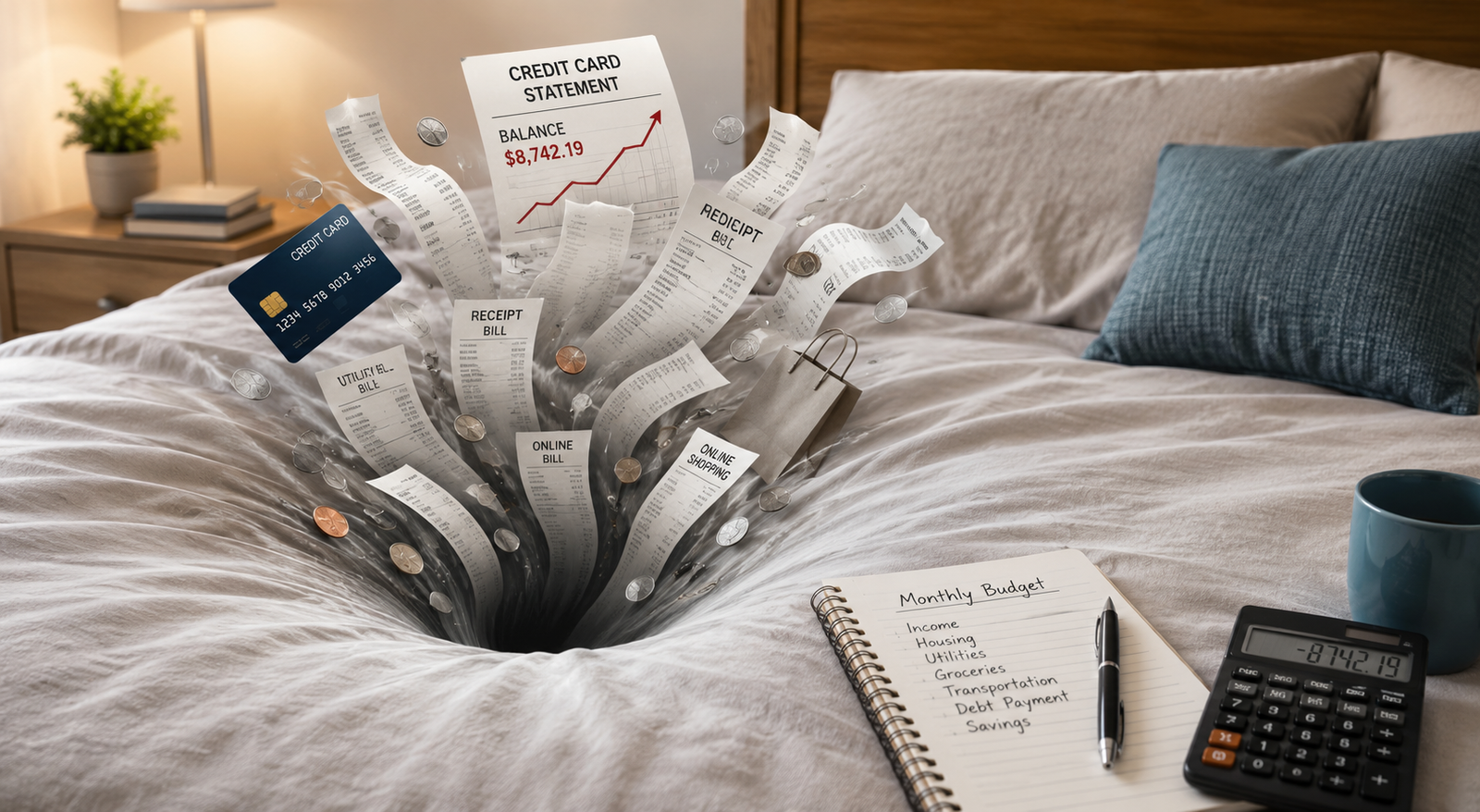
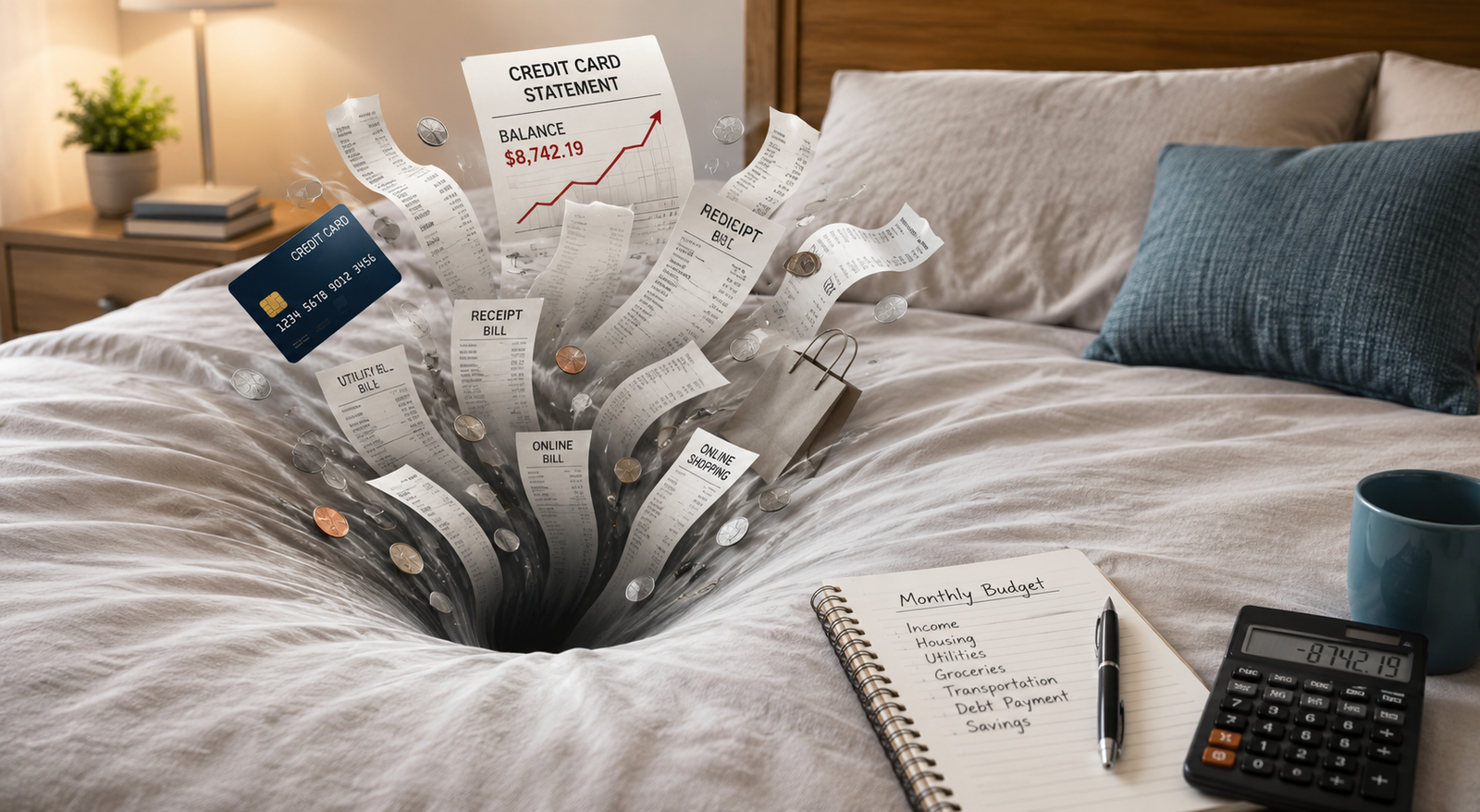
Credit cards can be incredibly useful when used responsibly. They make shopping convenient, help build your credit history, and can even earn rewards on everyday purchases. But when balances start piling up, it’s easy to find yourself trapped in a cycle that’s difficult to escape.
With credit card balances reaching record highs across the U.S., many people are relying on credit cards to cover everyday expenses. The good news is that understanding why debt spirals out of control is the first step toward breaking the cycle.
Why Does Credit Card Debt Spiral So Quickly?
Credit card debt doesn’t usually become a problem overnight. It often starts with a few small purchases that seem manageable. Over time, interest charges, minimum payments, and continued spending can cause balances to grow much faster than expected.
Here are the biggest reasons why credit card debt can quickly get out of control.
1. Paying Only the Minimum Amount
Making only the minimum payment keeps your account in good standing, but it barely reduces your actual balance. A large portion of your payment goes toward interest, meaning it can take years to pay off your debt.
Paying even a little extra each month can significantly reduce both the repayment time and the total interest you’ll pay.
2. Using Credit Cards for Everyday Expenses
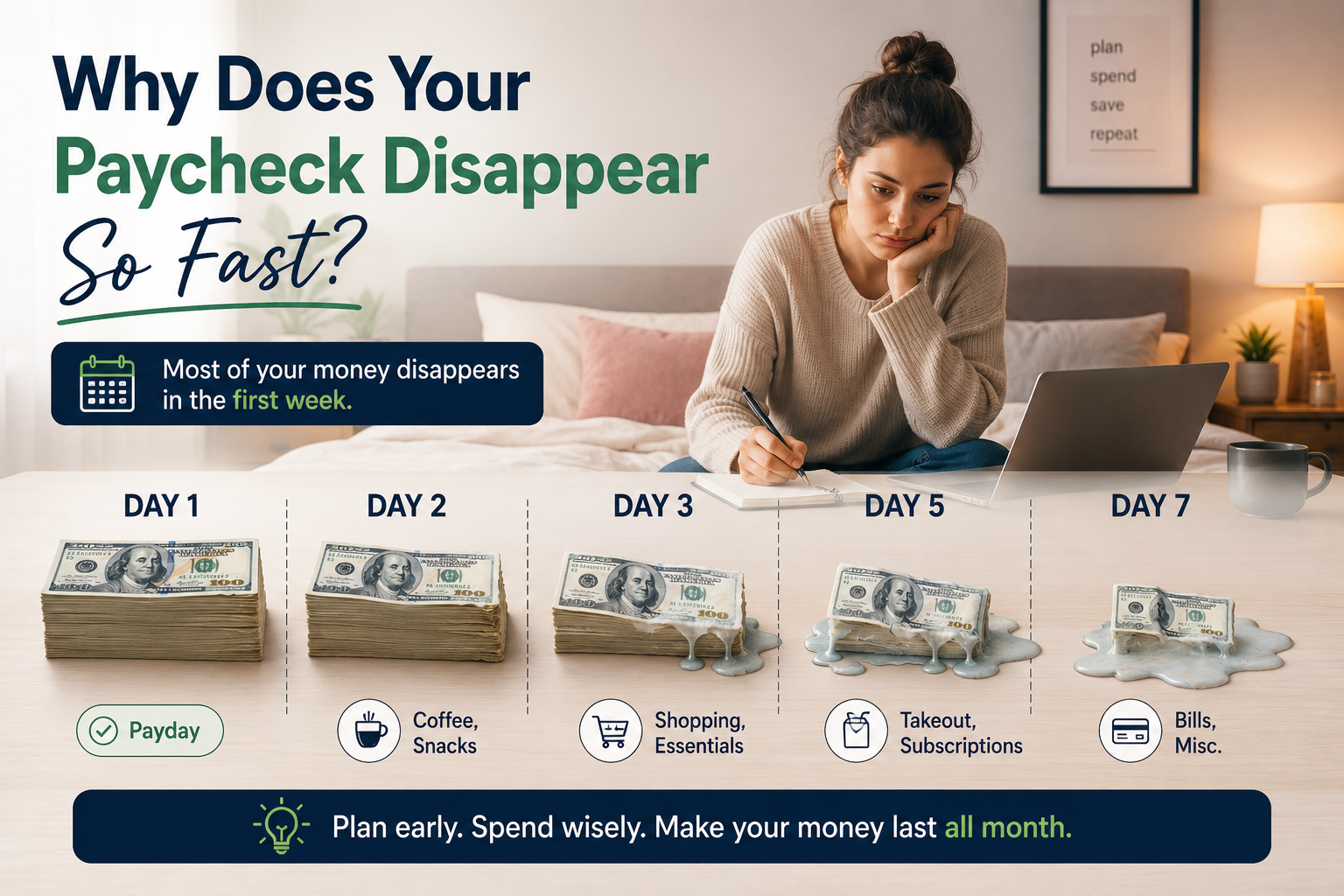
If you’re regularly using credit cards to pay for groceries, gas, or utility bills because your paycheck isn’t enough, it may be a sign that your monthly budget needs attention.
Taking a closer look at your spending habits can help identify areas where small adjustments make a big difference over time.
3. High Interest Rates
Credit cards often carry some of the highest interest rates among consumer loans. If you carry a balance month after month, interest compounds, making your debt grow even when you’re making payments.
The longer you wait to pay it off, the more expensive that original purchase becomes.
4. Spending More Than You Earn
A credit card isn’t extra income—it’s borrowed money. When monthly spending consistently exceeds your income, debt becomes almost inevitable.
Creating a realistic budget can help you stay within your means while still leaving room for savings and unexpected expenses.
5. Unexpected Emergencies
Car repairs, medical bills, or home maintenance can force people to rely on credit cards when they don’t have emergency savings.
Building even a small emergency fund can reduce the need to borrow when life throws unexpected expenses your way.
6. Losing Track of Small Purchases
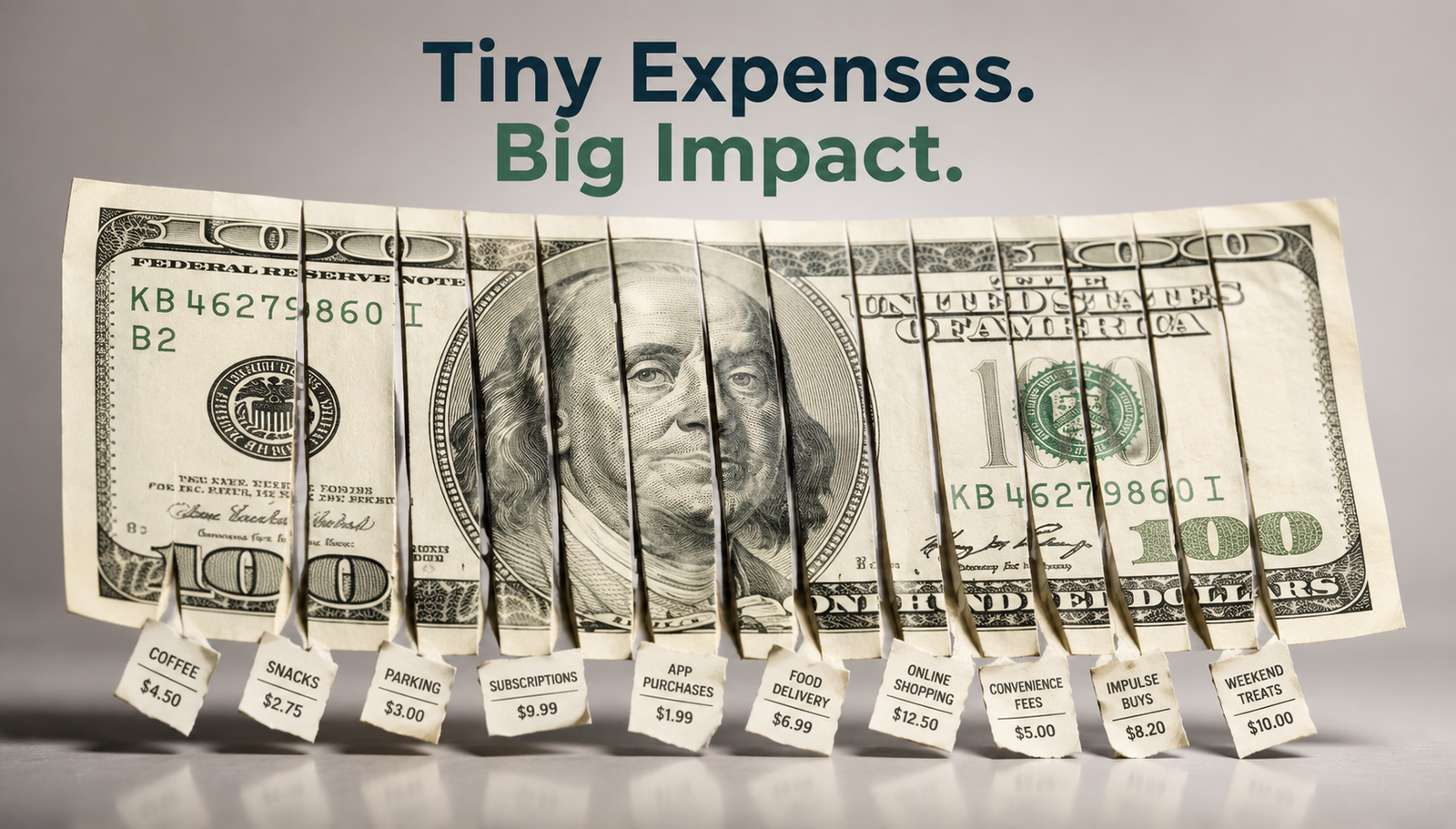
A coffee here, an online subscription there, and a few impulse purchases can quickly add up. Because these transactions often feel insignificant, they’re easy to overlook until the credit card statement arrives.
Reviewing your monthly spending regularly makes it easier to spot unnecessary expenses before they become a habit.
How to Stop the Debt Spiral
The sooner you take action, the easier it becomes to regain control of your finances.
Here are a few practical steps that can help:
Stop adding new debt whenever possible.
Pay more than the minimum payment each month.
Focus on paying off high-interest balances first or use a debt payoff strategy that keeps you motivated.
Build a small emergency fund to avoid relying on credit cards for unexpected expenses.
Track your spending every month so you know exactly where your money is going.
If paying off multiple balances feels overwhelming, using a structured approach like the Debt Snowball Method can help you stay motivated while making consistent progress.
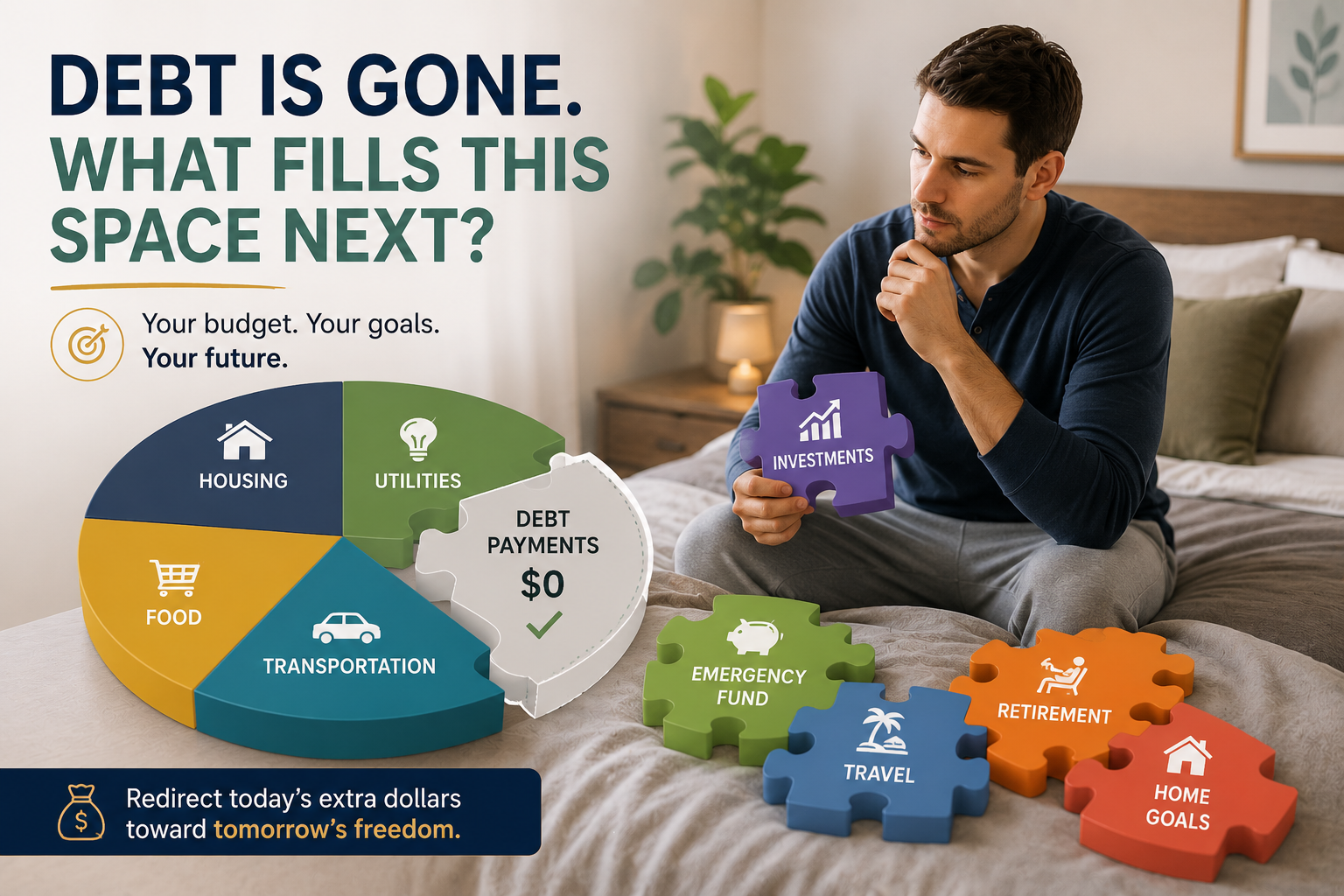
A monthly budget is equally important because it shows how much money is available for debt payments after covering essential expenses. Having a clear plan makes it much easier to avoid falling back into the same cycle.
Small Changes Can Make a Big Difference
Credit card debt often grows slowly before it becomes a serious problem. The earlier you recognize the warning signs, the easier it is to turn things around.
Simple habits like budgeting, reducing unnecessary spending, paying more than the minimum, and building an emergency fund can help you regain control of your finances and reduce financial stress over time.
If you’re unsure where to begin, using a monthly budget calculator can help you organize your income, expenses, savings, and debt payments in one place, making it easier to create a plan that works for your financial goals.