Auto Loan Payments Are Becoming a Bigger Financial Burden for Many Drivers
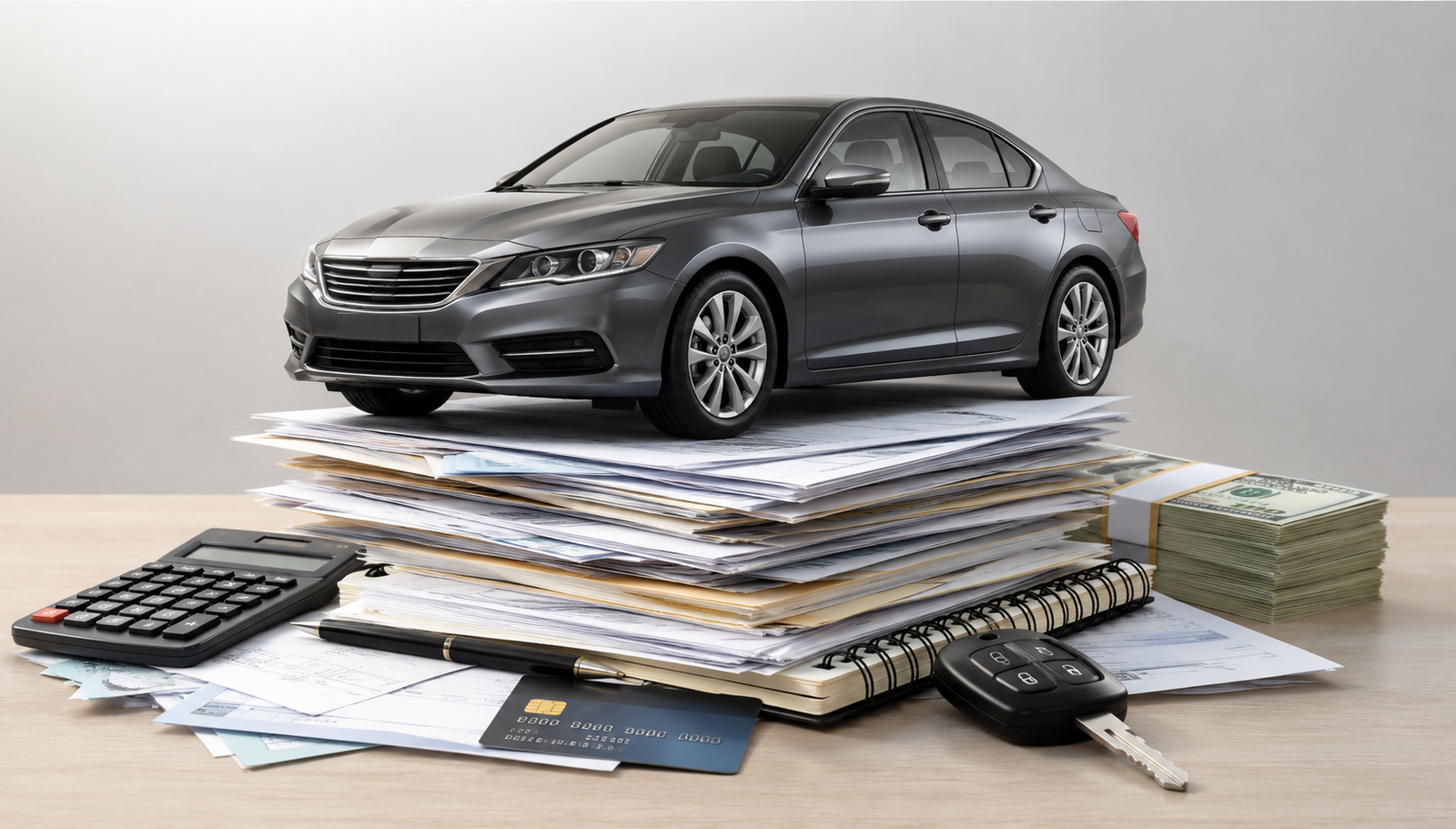
Buying a car used to feel like a straightforward financial decision. Today, for many people, it has become one of the most expensive monthly commitments in their budget.
For many people, financial stress doesn’t always come from one massive purchase. More often, it’s the result of small spending habits that slowly add up over time.
In today’s economy, it’s surprisingly common for people to feel financially stressed — even when they’re doing better than they realize.
A lot of modern budgeting advice sounds great in theory.
Stop buying coffee.
Track every dollar.
Meal prep every Sunday.
Cancel every subscription.
Never impulse buy.
Cook every meal at home.
Avoid lifestyle inflation.
Simple, right?
Except for one problem: much of this advice quietly assumes you have near-perfect discipline, unlimited mental energy, and complete control over your environment.
Most people don’t.
That’s why so many Americans constantly feel like they’re “bad with money” even while trying their best.
Working from cafes feels productive, aesthetic, and surprisingly comforting.
You grab your laptop, order an overpriced latte, put on headphones, and suddenly feel like the main character in a productivity documentary.
Using a credit card feels harmless in the moment. It’s fast, convenient, and doesn’t immediately affect your bank account. That’s exactly why so many Americans quietly fall into the credit card trap without realizing it.
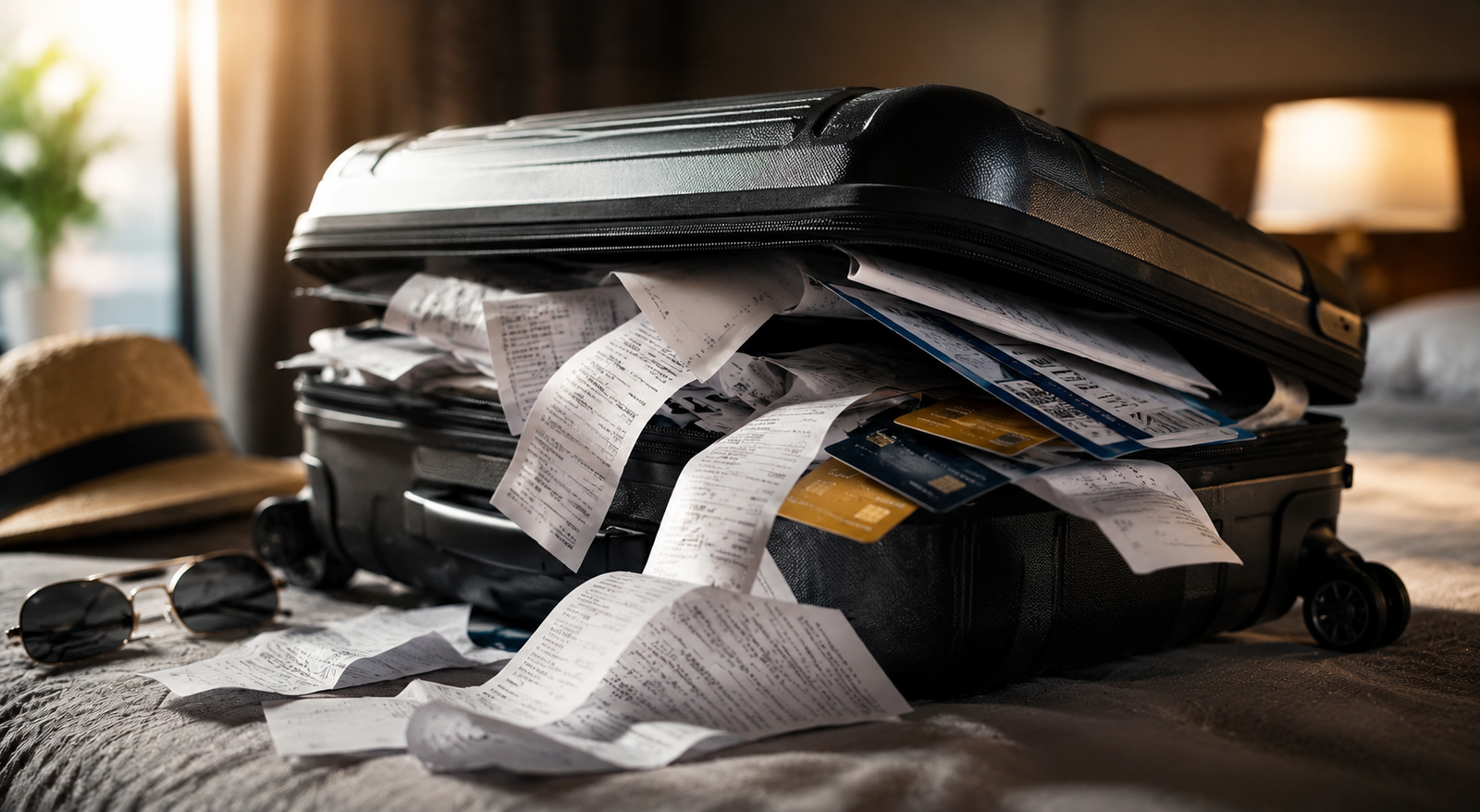
Vacations are supposed to help you relax. But for many Americans, the stress starts the moment the trip ends.
Sometimes overspending happens slowly. Other times it feels like your bank account got hit by a tornado made of takeout, impulse purchases, subscriptions, and “I deserve this” energy. One minute you’re doing fine, and the next you’re scared to open your banking app because you already know the damage is bad.
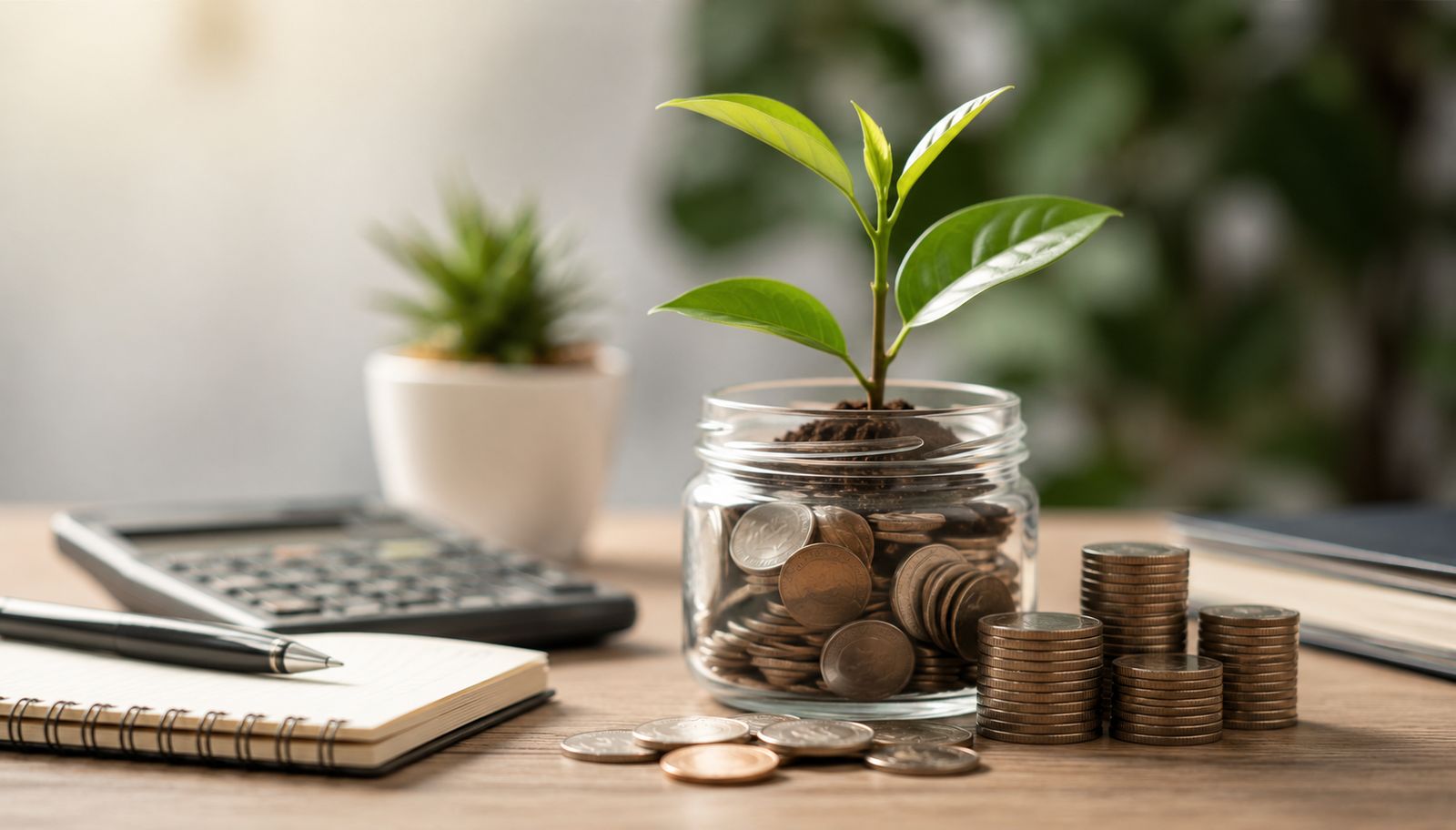
Saving money sounds simple in theory, but actually sticking to it is a completely different story. Between rising expenses, impulse spending, subscriptions you forgot existed, and the occasional “I deserve this” purchase, building savings can feel almost impossible sometimes. That’s exactly why one Reddit user “u/Amazondriver23” asked a very relatable question on the subreddit Reddit’s r/povertyfinance community: “People who are good at saving money, what’s your advice?”
Almost everyone has said it before:
“I’ll start budgeting next month.”
“Next month I’ll save money.”
“Next month I’ll stop overspending.”
And somehow, next month never arrives.
The “Next Month I’ll Fix It” money trap is one of the biggest reasons people stay stuck financially for years. It creates the illusion that change is coming soon while allowing bad money habits to continue today. Instead of improving finances, people end up repeating the same cycle of overspending, guilt, financial stress, and promises to “do better later.”
The problem is not laziness. It is the belief that your future self will suddenly become more disciplined, organized, and financially responsible overnight.