How Much Emergency Fund Amount Do You Really Need? Most People Get It Wrong

How Much Emergency Fund Amount Do You Really Need? Most People Get It Wrong - FG

Financial experts often recommend saving three to six months of expenses.

But is that really the right number for everyone?

Not necessarily.

The truth is, the ideal emergency fund amount depends on your lifestyle, income stability, family responsibilities, and how comfortable you are with risk. While some people may sleep well with three months of savings, others might need a year or more.

Here’s how to figure out what works best for you.

7 Social Spending Habits That Quietly Drain Your Budget (And How to Fix Them)

7 Social Spending Habits That Quietly Drain Your Budget (And How to Fix Them) - FG

Most people don’t blow their budgets on luxury cars or expensive vacations.

Instead, it’s the small social expenses that slowly eat away at their money.

A dinner here. A birthday gift there. Splitting a restaurant bill evenly. Saying yes to every weekend plan. Before long, hundreds of dollars disappear every month without much to show for it.

Why Convenience Is Becoming Financially Dangerous

Why Convenience Is Becoming Financially Dangerous - FG

Convenience has never been more accessible.

Need groceries? They’ll arrive at your door.

Need dinner? Tap a button.

Need household supplies? Order them in seconds.

Need a ride? Someone can pick you up within minutes.

Modern technology has made life easier than ever before. Tasks that once required planning, effort, and time can now be completed almost instantly.

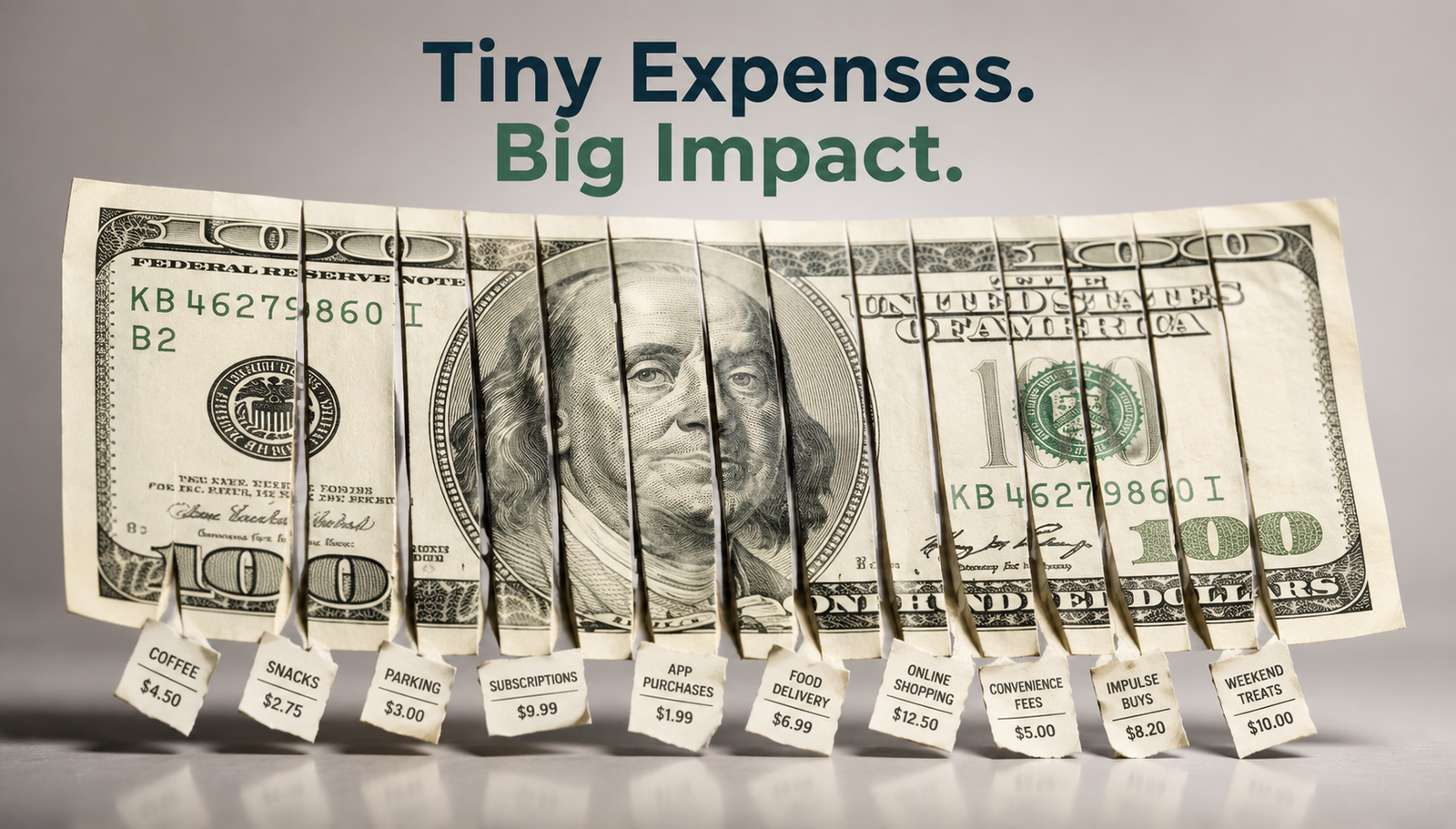
Why Small Expenses Are Harder to Control Than Big Ones

Why Small Expenses Are Harder to Control Than Big Ones - FG.png

When people decide to improve their finances, they usually focus on the big stuff.

They look at their rent, mortgage, car payment, or utility bills and wonder how they can reduce those costs. While major expenses certainly impact your budget, they aren’t always the reason people struggle to save money.

Why Free Trials Are More Expensive Than They Look

Why Free Trials Are More Expensive Than They Look

“Start your free trial today.”

It sounds harmless — even smart. After all, trying something for free feels like there’s no real downside. But in reality, free trials have quietly become one of the most effective ways companies encourage long-term spending.

Why “Affordable Monthly Payments” Can Be Misleading

Why “Affordable Monthly Payments” Can Be Misleading - FG.png

“Only $49 a month.”

“Easy monthly payments.”

“Low monthly financing available.”

These phrases appear everywhere — from car dealerships and furniture stores to smartphones, appliances, and online shopping checkouts. On the surface, affordable monthly payments sound harmless and convenient. But in many cases, they can quietly encourage people to spend far more money than they originally planned.

15 Things Financially Smart People Rarely Waste Money On

15 Things Financially Smart People Rarely Waste Money On - FG.png

Most people think being financially smart means earning a massive salary or investing in complicated assets. In reality, it often comes down to avoiding small but unnecessary expenses that slowly drain your bank account month after month.

How To Build an Emergency Fund When Money Is Tight

How To Build an Emergency Fund When Money Is Tight - FG.png

Saving money sounds simple in theory — until real life gets in the way.

Between rent, groceries, bills, debt payments, rising prices, and everyday expenses, many people feel like there’s barely anything left to save at the end of the month. For households already living paycheck to paycheck, the idea of building an emergency fund can feel completely unrealistic.