The “Next Month I’ll Fix It” Money Trap That Keeps You Broke

The “Next Month I’ll Fix It” Money Trap That Keeps You Broke - FG.png

Almost everyone has said it before:
“I’ll start budgeting next month.”
“Next month I’ll save money.”
“Next month I’ll stop overspending.”

And somehow, next month never arrives.

The “Next Month I’ll Fix It” money trap is one of the biggest reasons people stay stuck financially for years. It creates the illusion that change is coming soon while allowing bad money habits to continue today. Instead of improving finances, people end up repeating the same cycle of overspending, guilt, financial stress, and promises to “do better later.”

The problem is not laziness. It is the belief that your future self will suddenly become more disciplined, organized, and financially responsible overnight.


The Forgetful Person’s Guide to Budgeting Without Losing Their Mind

The Forgetful Person’s Guide to Budgeting Without Losing Their Mind - FG.png

Let’s be honest — most budgeting advice sounds like it was written for robots. Track every expense. Update spreadsheets daily. Categorize every coffee purchase. Remember payment dates. Check subscriptions monthly. For people who forget where they left their phone while holding it, that kind of budgeting system falls apart fast.

The Hidden Cost of Keeping Up With Friends (And Why Your Wallet Is Quietly Suffering)

The Hidden Cost of Keeping Up With Friends (And Why Your Wallet Is Quietly Suffering) - FG

It usually starts small.

A dinner here, a quick trip there, maybe saying “yes” to plans you weren’t even excited about. At the time, it feels harmless—just part of staying connected. But over time, the hidden cost of keeping up with friends begins to creep in… and it’s not just your bank balance that takes the hit.

Most people don’t realize how much they’re spending just to maintain a certain social pace. And the worst part? It often doesn’t even feel like a conscious choice.

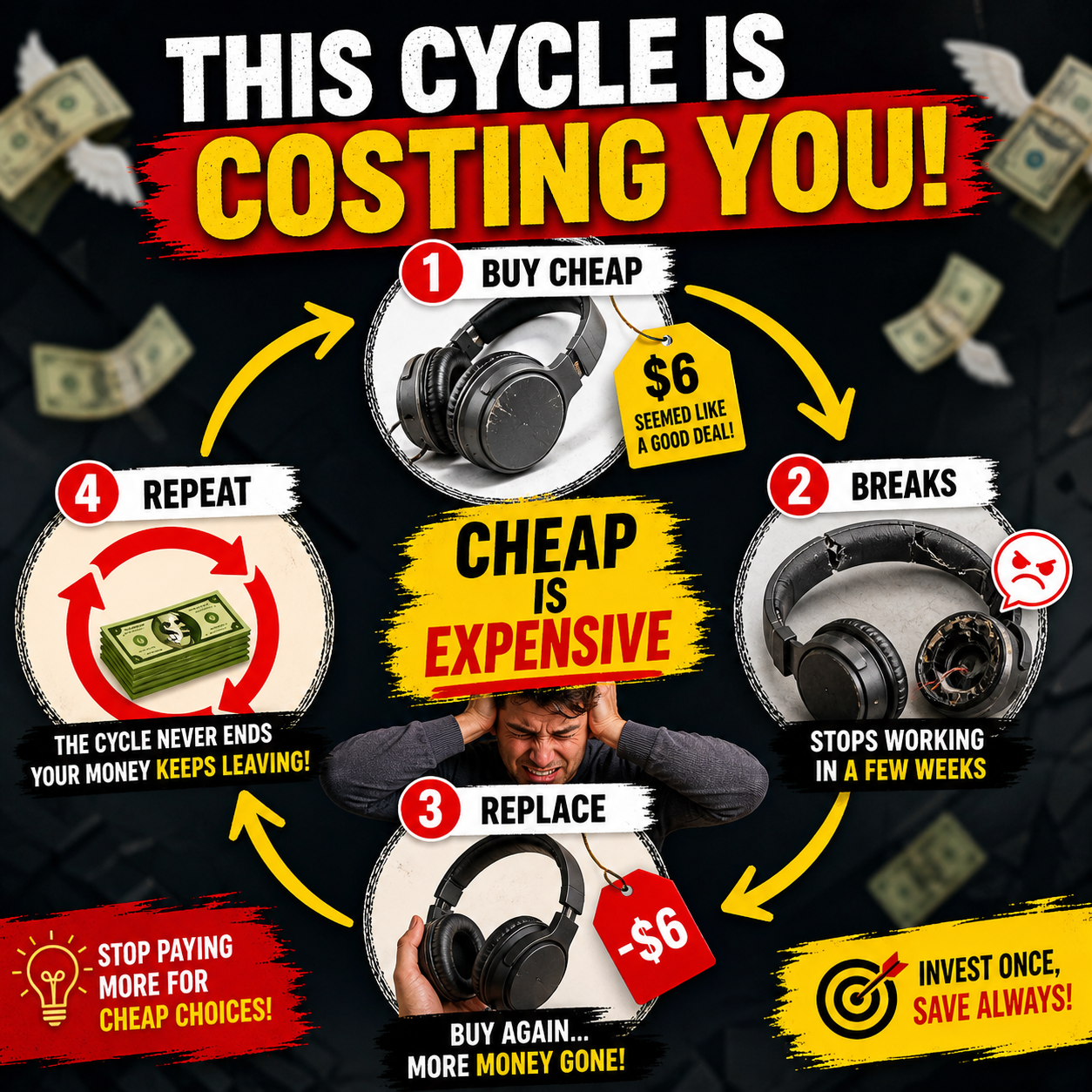
Why Cheap Things End Up Costing You More (And No One Warns You About It)

Why Cheap Things End Up Costing You More - FG.png

Saving money feels smart.

You find the cheaper option, feel like you’ve made a good decision, and move on. But weeks—or even days—later, that “smart” choice starts to fall apart.

Literally.

Because the truth is, why cheap things cost you more isn’t obvious upfront. It shows up later… quietly, repeatedly, and often more expensively.

Why You Always Overspend Right After Payday (And Don’t Even Notice It)

Why You Always Overspend Right After Payday (And Don’t Even Notice It) - FG

You just got paid.

For a brief moment, everything feels under control. Your bank balance looks healthy, your stress drops, and suddenly… spending doesn’t feel like a big deal anymore.

Fast forward a few days—and you’re wondering where all the money went.

If this sounds familiar, you’re not bad with money. You’re just caught in a pattern. And understanding why you overspend after payday is the first step to breaking it.

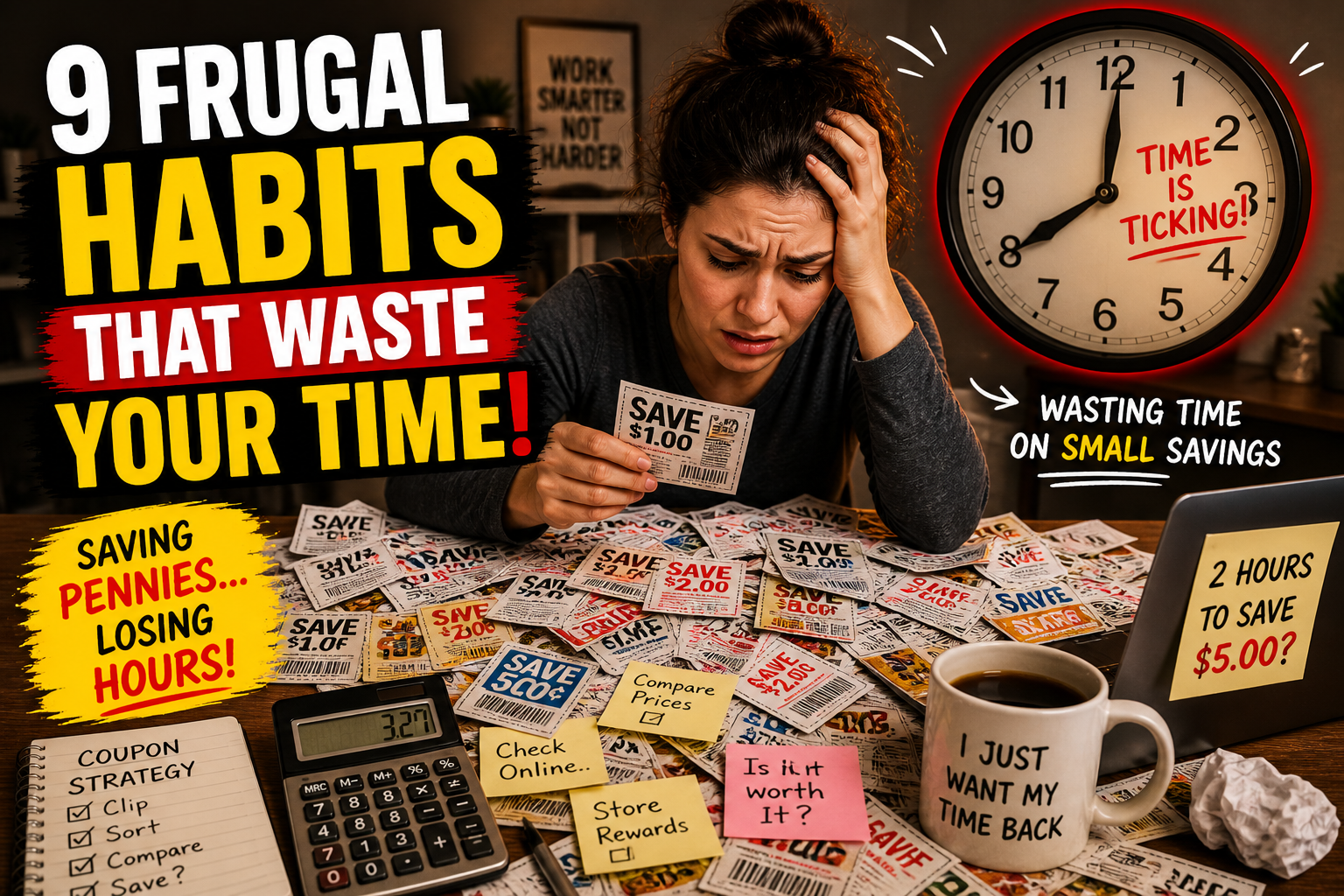
9 Frugal Habits That Waste Time (And Barely Save You Money)

9 Frugal Habits That Waste Time (And Barely Save You Money) - FG

Being frugal sounds like the ultimate life hack—spend less, save more, feel smarter. But not all money-saving habits are actually worth it. In fact, some of the most common frugal habits that waste time can quietly drain your energy without saving you anything meaningful.

Sometimes, you’re not saving money… you’re just spending time differently.

Let’s break down a few “smart” habits that might not be as smart as they seem.

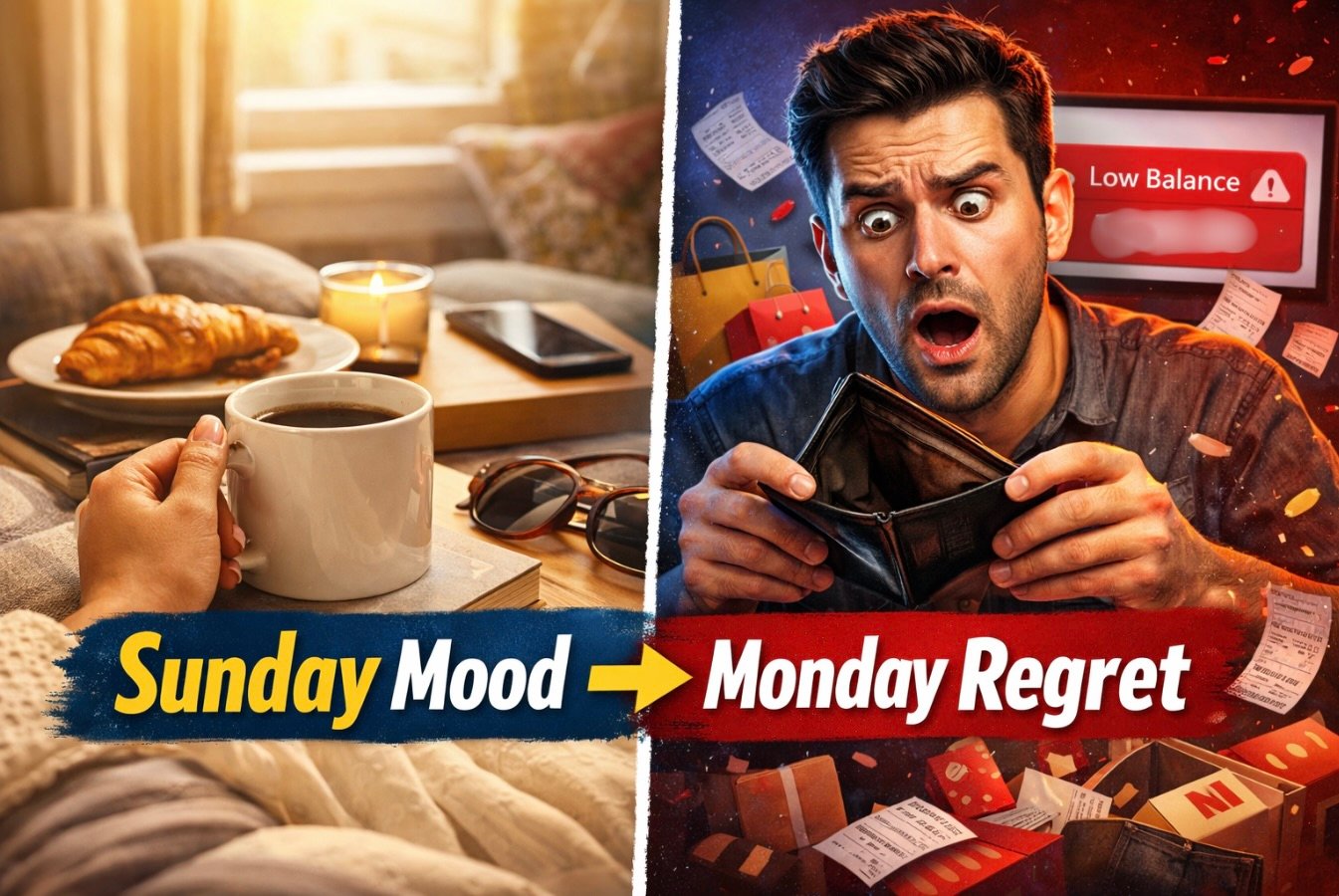
Why You Spend More Money on Sundays Than Any Other Day

Why You Spend More Money on Sundays Than Any Other Day - FG

Sundays have a sneaky way of draining your wallet without you even realizing it. It’s the one day of the week that feels slow, relaxed, and “deserved” — which is exactly why your spending habits go a little off-track. After a long week of work or routine, your brain flips into reward mode, convincing you that you’ve earned that extra meal, impulse purchase, or quick online order.

The Tiny Money Habits Couples Fight About the Most

The Tiny Money Habits Couples Fight About the Most - FG.png

Money arguments in relationships aren’t always about big things like rent, loans, or savings. More often, it’s the small, everyday money habits that quietly build tension over time.

It’s not the $1,000 purchase that starts the fight — it’s the repeated $10–$30 decisions that feel unnecessary, unnoticed, or unfair. These tiny habits may seem harmless individually, but when they happen again and again, they can turn into major relationship stress.

The “I Deserve This” Spending Trap and How To Stop It

We’ve all said it at some point — “I deserve this.”
It sounds harmless, even justified. After a long week of work, stress, or just dealing with life, spending money feels like a reward. But this simple phrase is one of the biggest reasons people quietly overspend every month.

The “I deserve this” spending trap isn’t about big purchases. It’s about small, repeated decisions that slowly wreck your budget without you noticing.

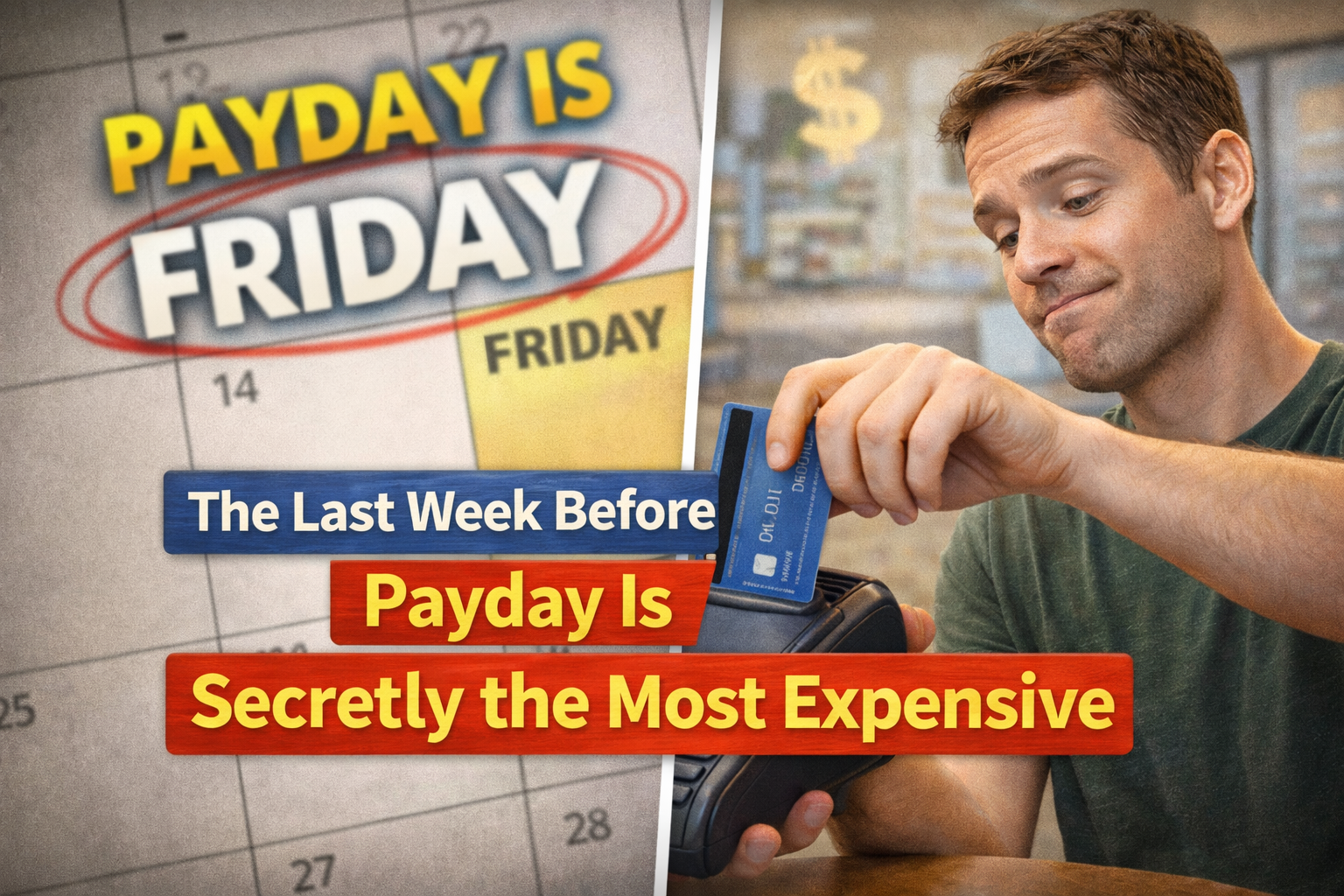
Why the Last Week Before Payday Is Secretly the Most Expensive

Why the Last Week Before Payday Is Secretly the Most Expensive - FG

There is something weird that happens during the last week before payday.

You know you are running low on money. You know your next paycheck is only a few days away. And somehow, that is exactly when your spending gets worse.

At least, that is how it always goes for me.