The Lazy Person’s Guide to Saving Money (Without Budgeting or Stress)

The Lazy Person’s Guide to Saving Money - FG

Saving money sounds simple in theory. Spend less, save more.

But in reality, many people struggle with budgeting, tracking expenses, and constantly thinking about their finances.

The truth is, you don’t have to become a money expert or track every dollar to start saving. Some of the best financial habits are actually the easiest ones — the kind that work automatically in the background.

If you’d rather keep things simple, here’s the lazy person’s guide to saving money.
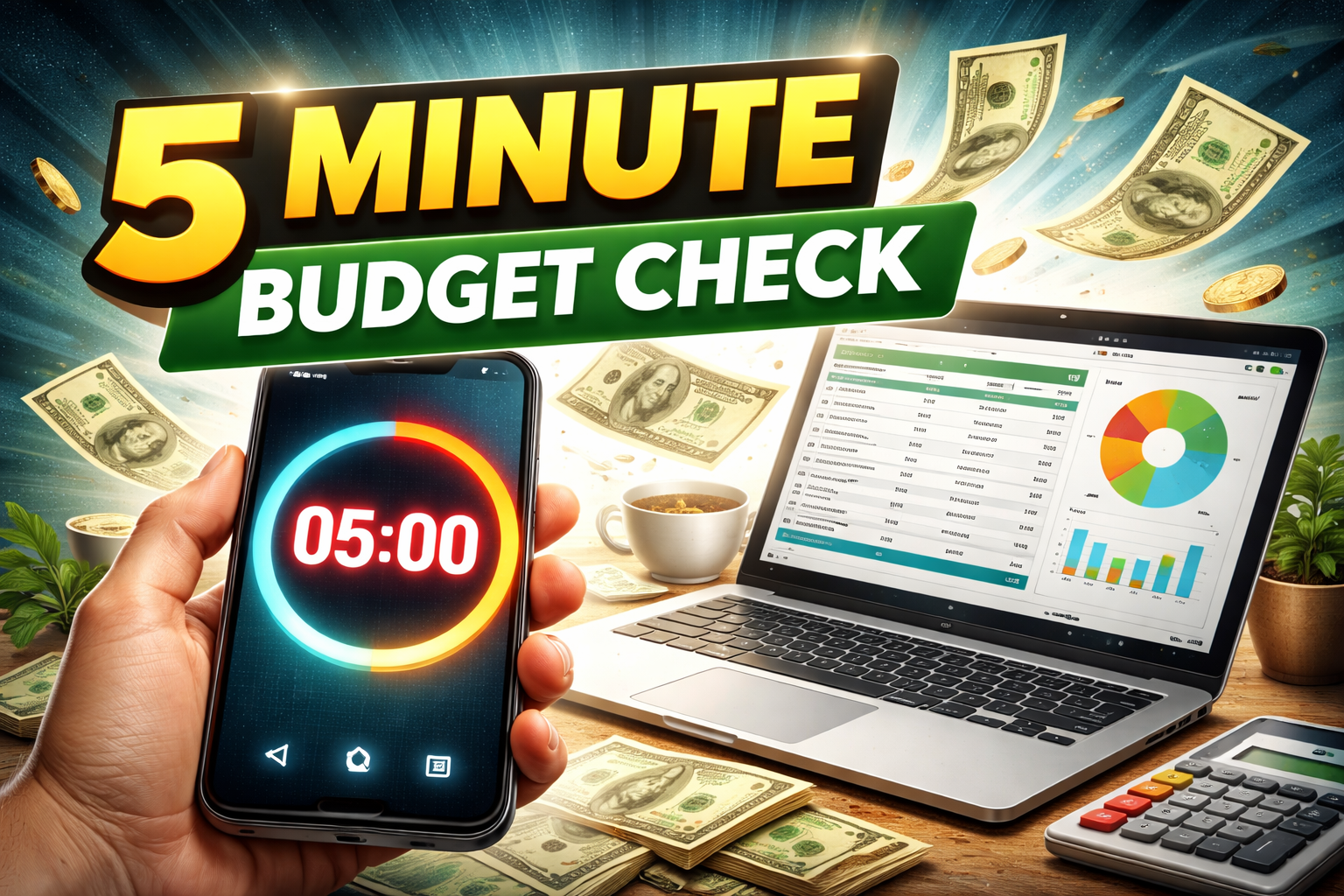
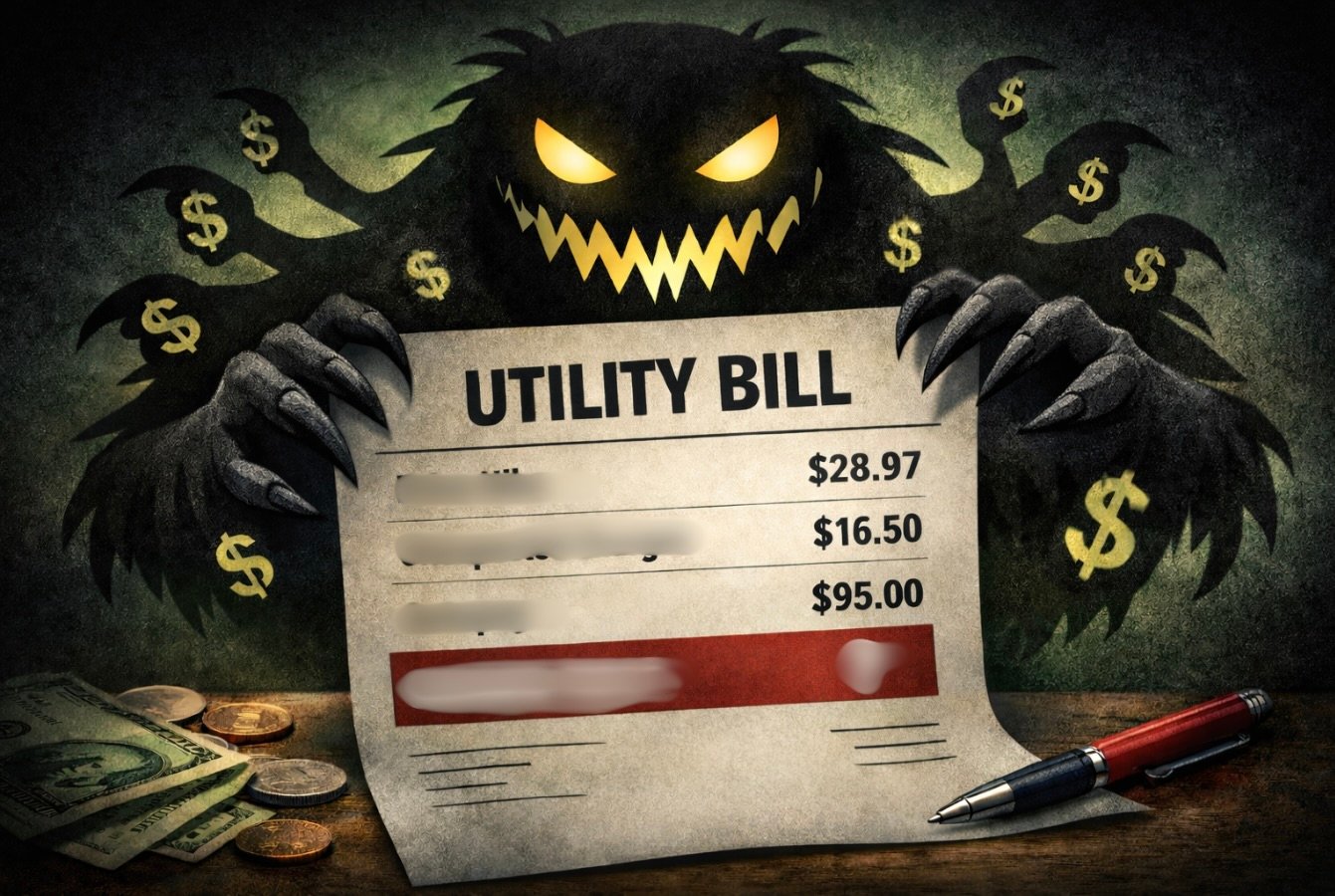
The 5-Minute Budget Check That Could Save You Hundreds Each Month

The 5-Minute Budget Check That Could Save You Hundreds Each Month - FG.png

Most people think budgeting requires spreadsheets, complicated apps, and hours of number crunching.

In reality, staying on top of your money often comes down to something much simpler — checking in on your finances regularly. A quick five-minute budget check each month can help you spot unnecessary spending, catch billing mistakes, and adjust your habits before small problems turn into expensive ones.

9 Unwritten Money Rules Most People Learn Before Reaching a $1 Million Net Worth

9 Unwritten Money Rules Most People Learn Before Reaching a $1 Million Net Worth - FG.png

Building a $1 million net worth is a milestone many people aspire to, but it rarely happens by accident. While income certainly helps, reaching seven figures is usually the result of consistent financial habits, disciplined spending, and smart long-term decisions.

How to Build a $1,000 Emergency Fund Fast (Even If You’re Broke)

How to Build a $1,000 Emergency Fund Fast (Even If You’re Broke)

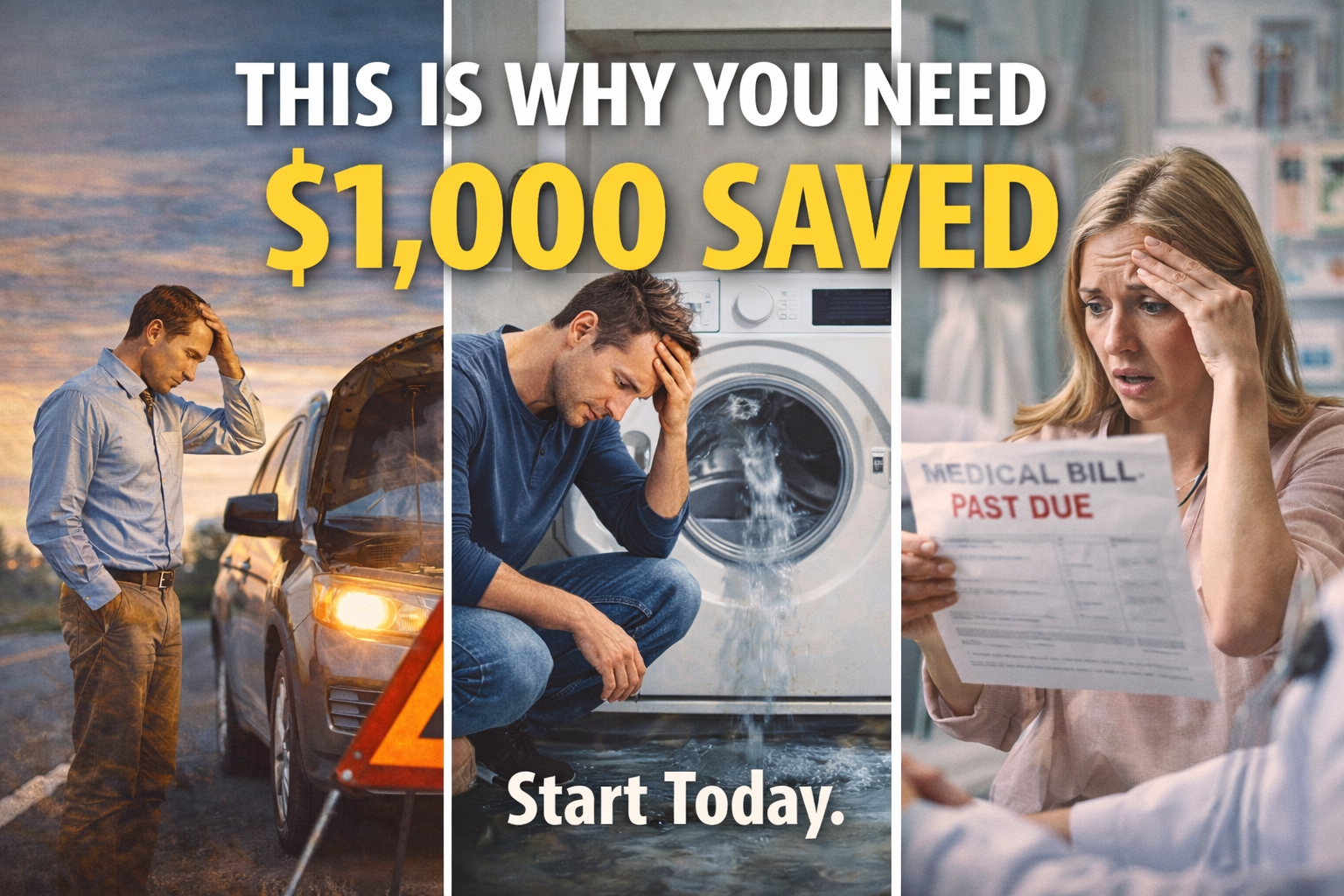
An emergency doesn’t wait until your finances are ready.

The car breaks down. The AC stops working. A medical bill shows up. And suddenly, you’re reaching for a credit card — again.

That’s why building a $1,000 emergency fund is one of the smartest financial moves you can make. It gives you breathing room. It keeps small problems from becoming debt disasters.

10 Simple Money Habits of People Who Are Good With Money (And How You Can Adopt Them Today)

Simple Money Habits of People Who Are Good With Money

In personal finance, success rarely happens overnight. It’s not about earning more — it’s about how you manage what you already have. People who are good with money share certain habits that help them stay out of debt, save consistently, and feel more in control of their financial lives. These habits aren’t complicated — but they areintentional. 

Why an Old-School 1940s Money Rule Still Crushes Modern Budgeting Methods

1940s Money Rule

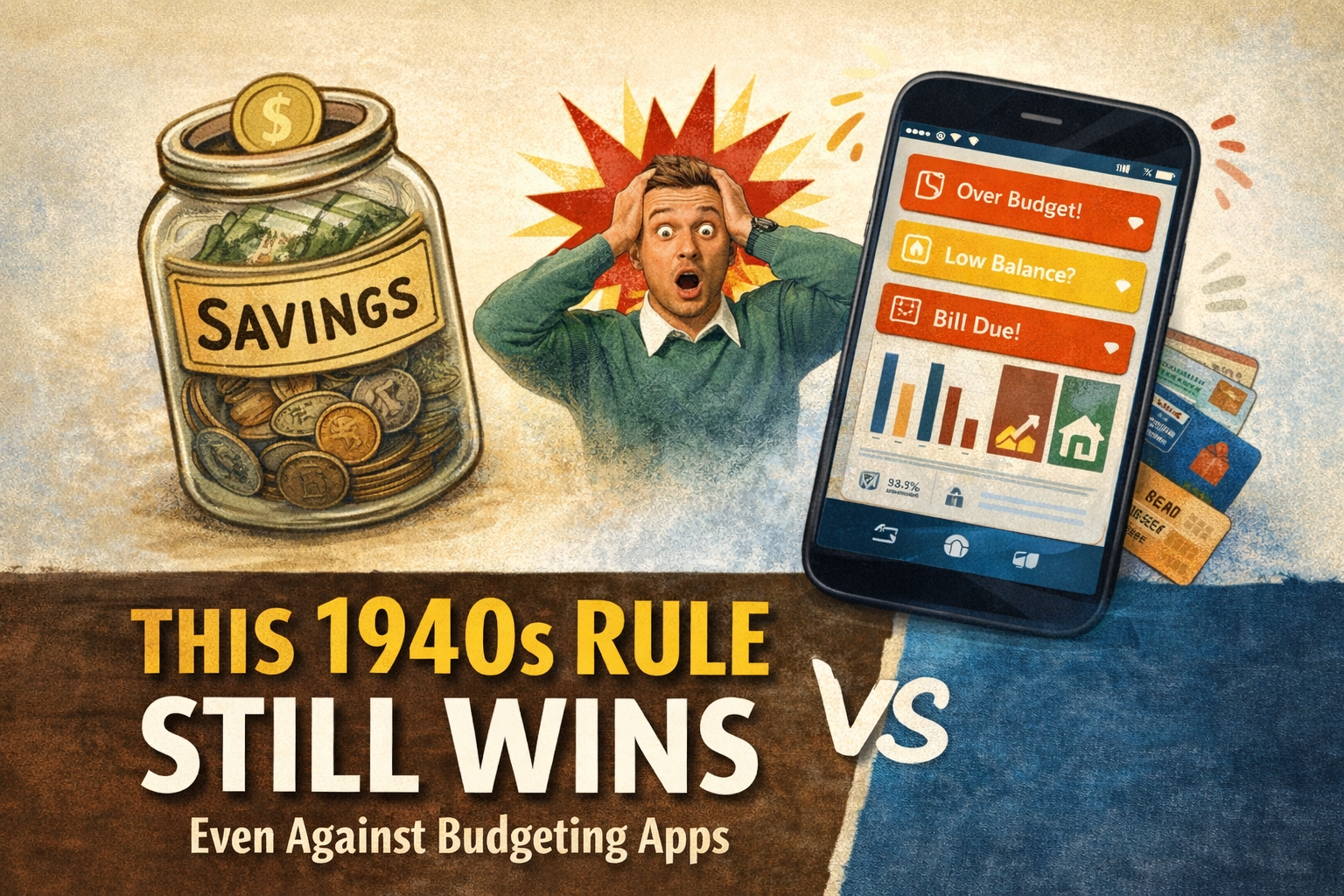
In an era packed with budgeting tools, financial tech apps, and spreadsheet templates, it’s easy to assume that the latest-method is always the best. But what if the most effective money rule isn’t new at all? Decades before smartphones and fintech dashboards, households in the 1940s followed a simple rule that may still outperform many modern budgeting systems — especially for everyday savers and budgeters. 

10 Essential Money Moves to Make in Your First Year of Retirement

Essential Money Moves to Make in Your First Year of Retirement - FG.png

Retirement is a huge life milestone — and the first year is one of the most important phases financially. After years of earning a regular income, your financial life shifts dramatically as you move to living off your savings, investments, pensions or other sources of income. Making smart money decisions early can protect your nest egg, reduce stress, and set you up for decades of financial stability and enjoyment.

The One Budgeting Habit That Makes Saving Easier (Without Feeling Broke)

One Budgeting Habit That Makes Saving Easier - FG

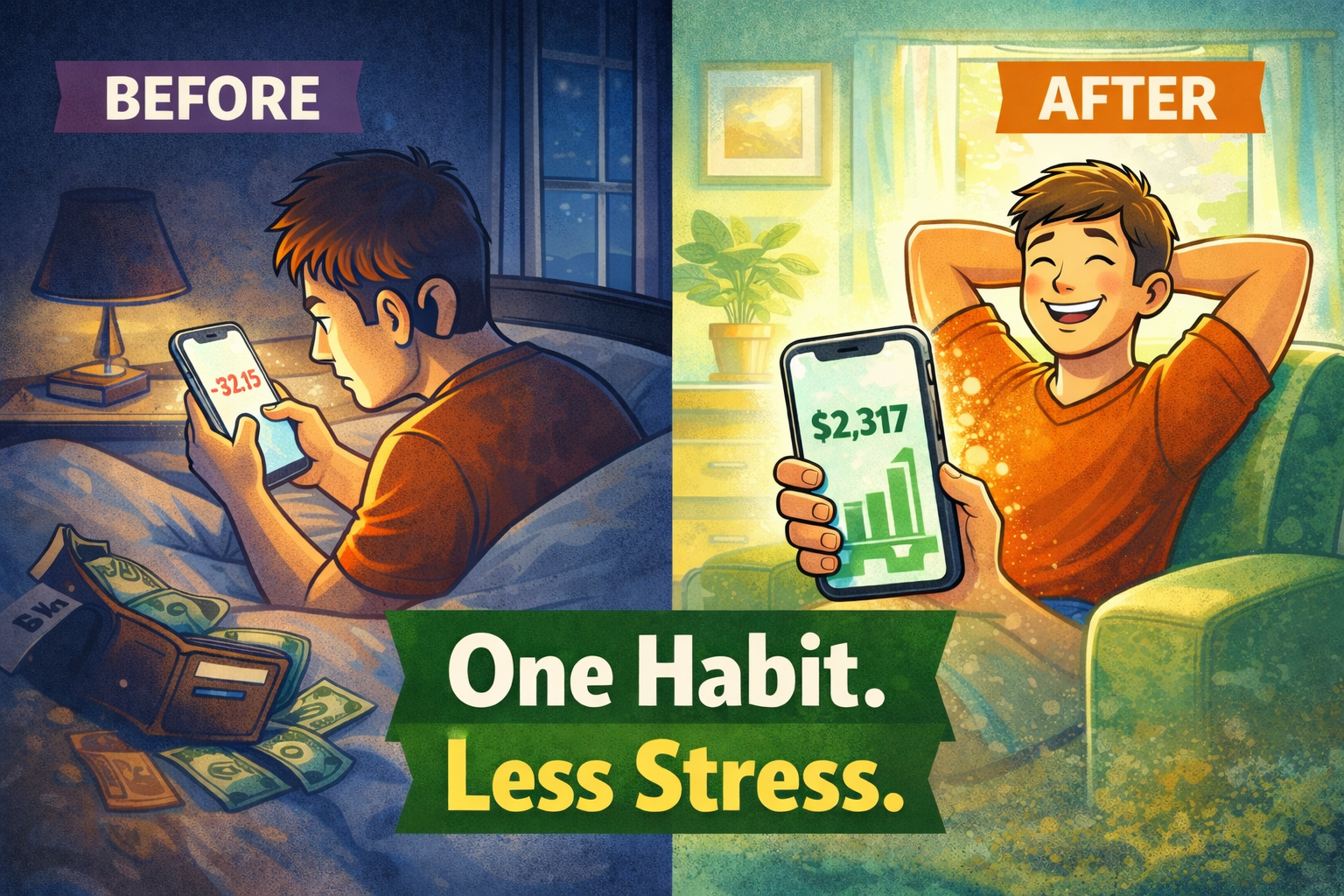
Saving money shouldn’t feel like punishment. Yet for many people, budgeting quickly turns into a cycle of restriction, guilt, and eventually giving up. The problem usually isn’t income or discipline—it’s the way the budget is structured.

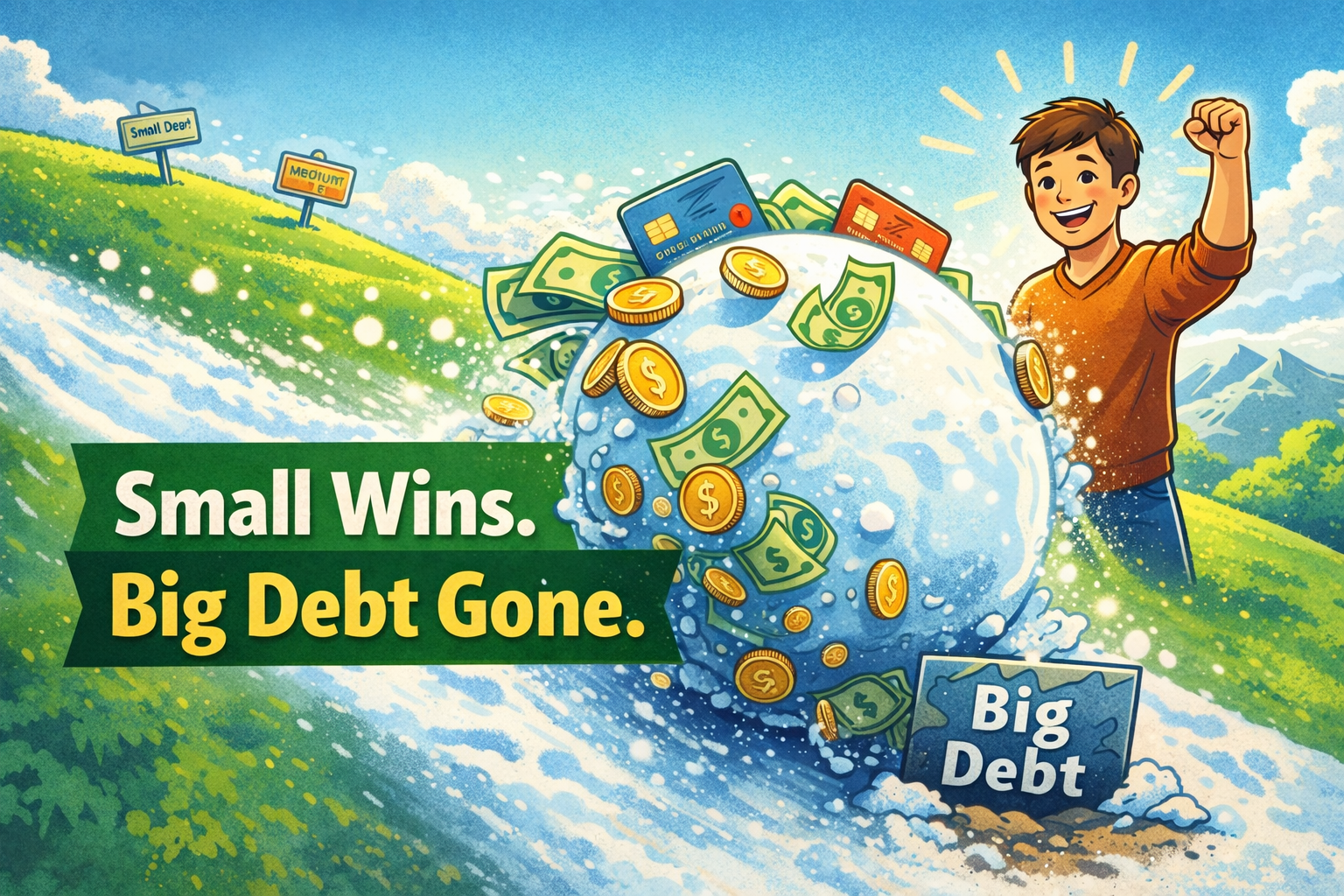
The Debt Snowball Method: How Small Wins Can Kill Big Debt

The Debt Snowball Method How Small Wins Can Kill Big Debt - FG.png

Debt can feel like a heavy weight on your shoulders—especially when you have multiple balances, minimum payments, and interest stacking up. Many people struggle to get motivated to pay off debt because the task feels overwhelming. That’s where the Debt Snowball Method comes in—a simple, psychological approach to tackling debt that focuses on small wins to build momentum.