What to Do If You Blew Your Entire Monthly Budget
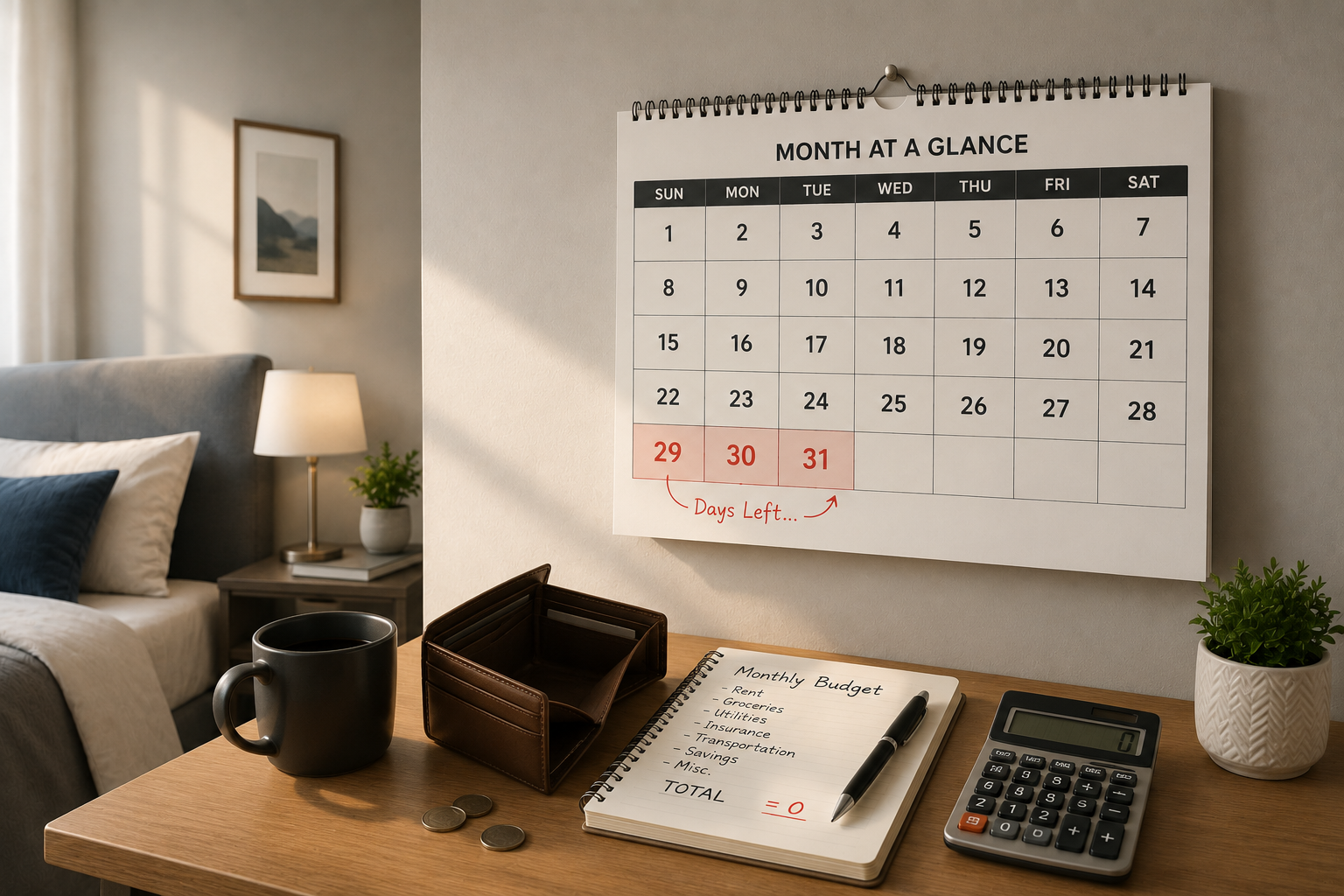
We’ve all had months where spending got out of control. Maybe an unexpected car repair, a medical bill, or a series of impulse purchases left you with little—or no—money before the month ended.
If you’ve ever heard someone say, “Just make a budget and you’ll become rich,” you’ve only been told half the story.
Budgeting is one of the most important personal finance habits you can build, but by itself, it won’t create wealth. A budget helps you control your money—it doesn’t automatically increase it.
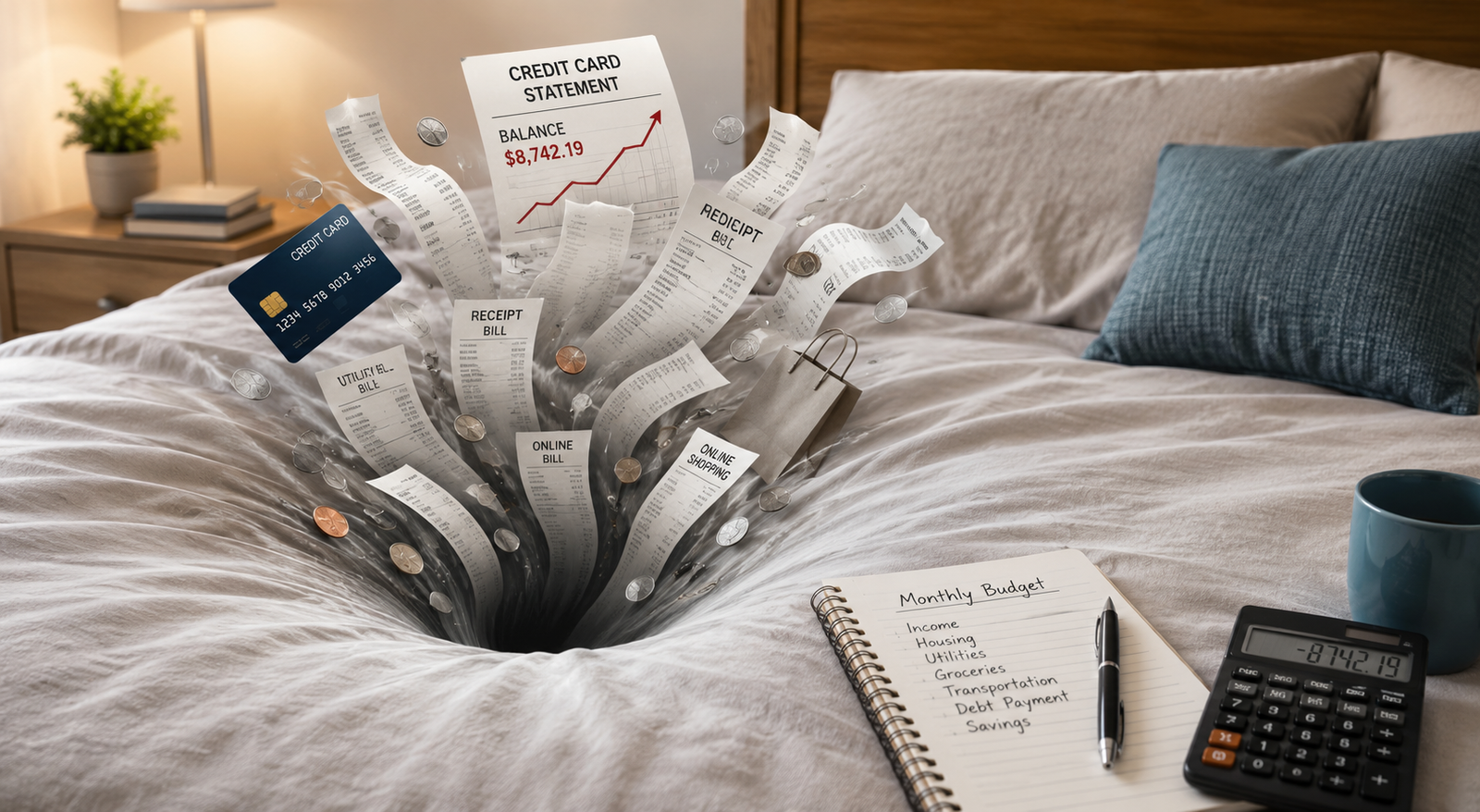
Credit cards can be incredibly useful when used responsibly. They make shopping convenient, help build your credit history, and can even earn rewards on everyday purchases. But when balances start piling up, it’s easy to find yourself trapped in a cycle that’s difficult to escape.
Budgeting advice often makes it sound like you need to monitor every penny, categorize every purchase, and update spreadsheets like it’s a full-time job. No wonder so many people give up after a few weeks.
But what if you could get most of the benefits of budgeting without obsessing over every cup of coffee?
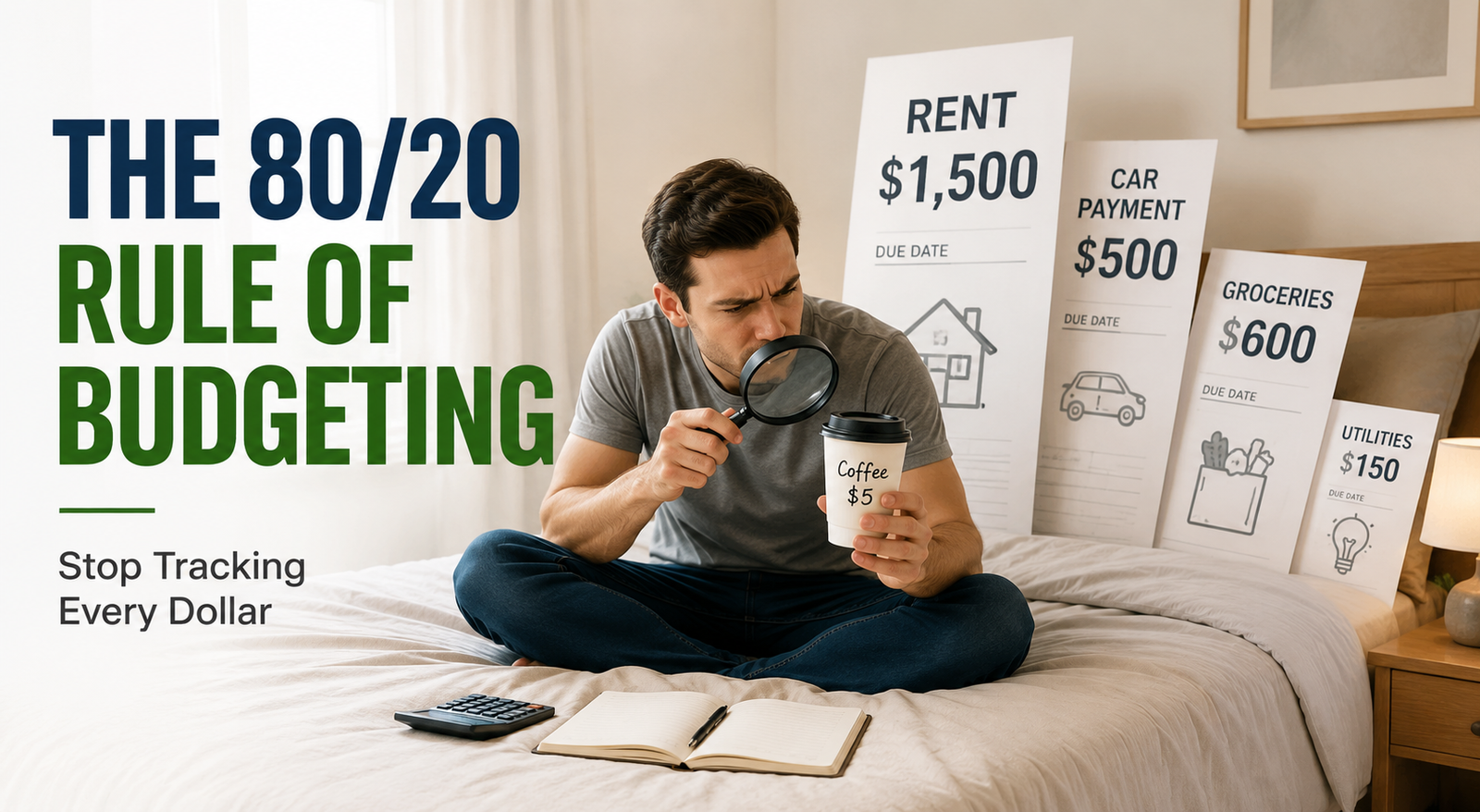
That’s where the 80/20 Rule of Budgeting comes in. Inspired by the Pareto Principle, this approach suggests that roughly 80% of your financial results come from just 20% of your money decisions. In other words, a few key spending habits have a much bigger impact on your finances than dozens of small purchases.
A lot of modern budgeting advice sounds great in theory.
Stop buying coffee.
Track every dollar.
Meal prep every Sunday.
Cancel every subscription.
Never impulse buy.
Cook every meal at home.
Avoid lifestyle inflation.
Simple, right?
Except for one problem: much of this advice quietly assumes you have near-perfect discipline, unlimited mental energy, and complete control over your environment.
Most people don’t.
That’s why so many Americans constantly feel like they’re “bad with money” even while trying their best.
Working from cafes feels productive, aesthetic, and surprisingly comforting.
You grab your laptop, order an overpriced latte, put on headphones, and suddenly feel like the main character in a productivity documentary.
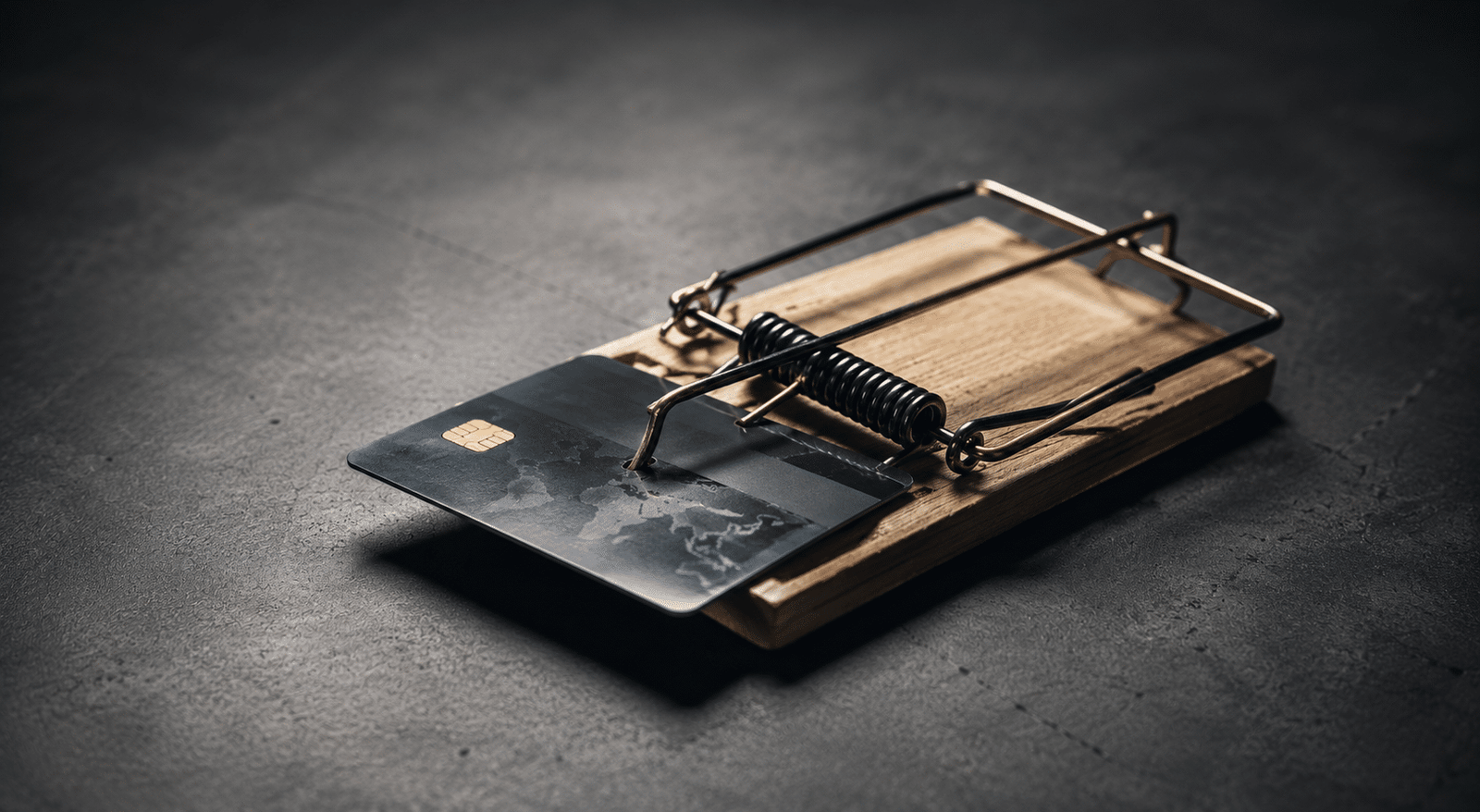
Using a credit card feels harmless in the moment. It’s fast, convenient, and doesn’t immediately affect your bank account. That’s exactly why so many Americans quietly fall into the credit card trap without realizing it.