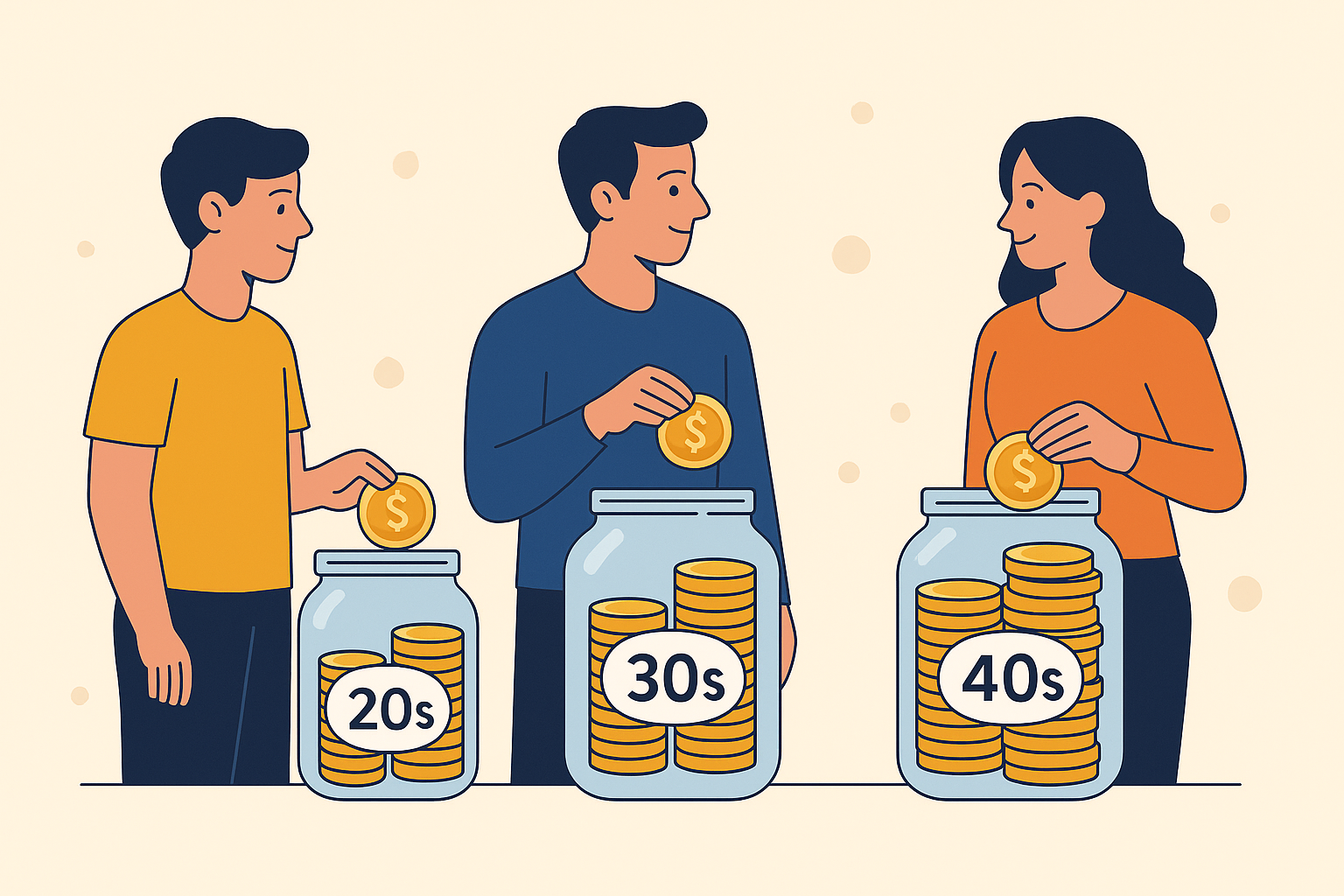
Saving 20% of your income is one of the most common personal finance recommendations, but is it actually enough?
The short answer is: for many people, yes—but not everyone.
Whether saving 20% is enough depends on several factors, including your age, income, debt, retirement goals, emergency savings, and lifestyle. Someone just starting their career has very different financial needs than someone trying to retire early or catch up after years of little saving.
In this guide, we’ll look at when saving 20% works, when it may fall short, and how to determine the right savings rate for your own financial situation.
Why 20% Became the Gold Standard
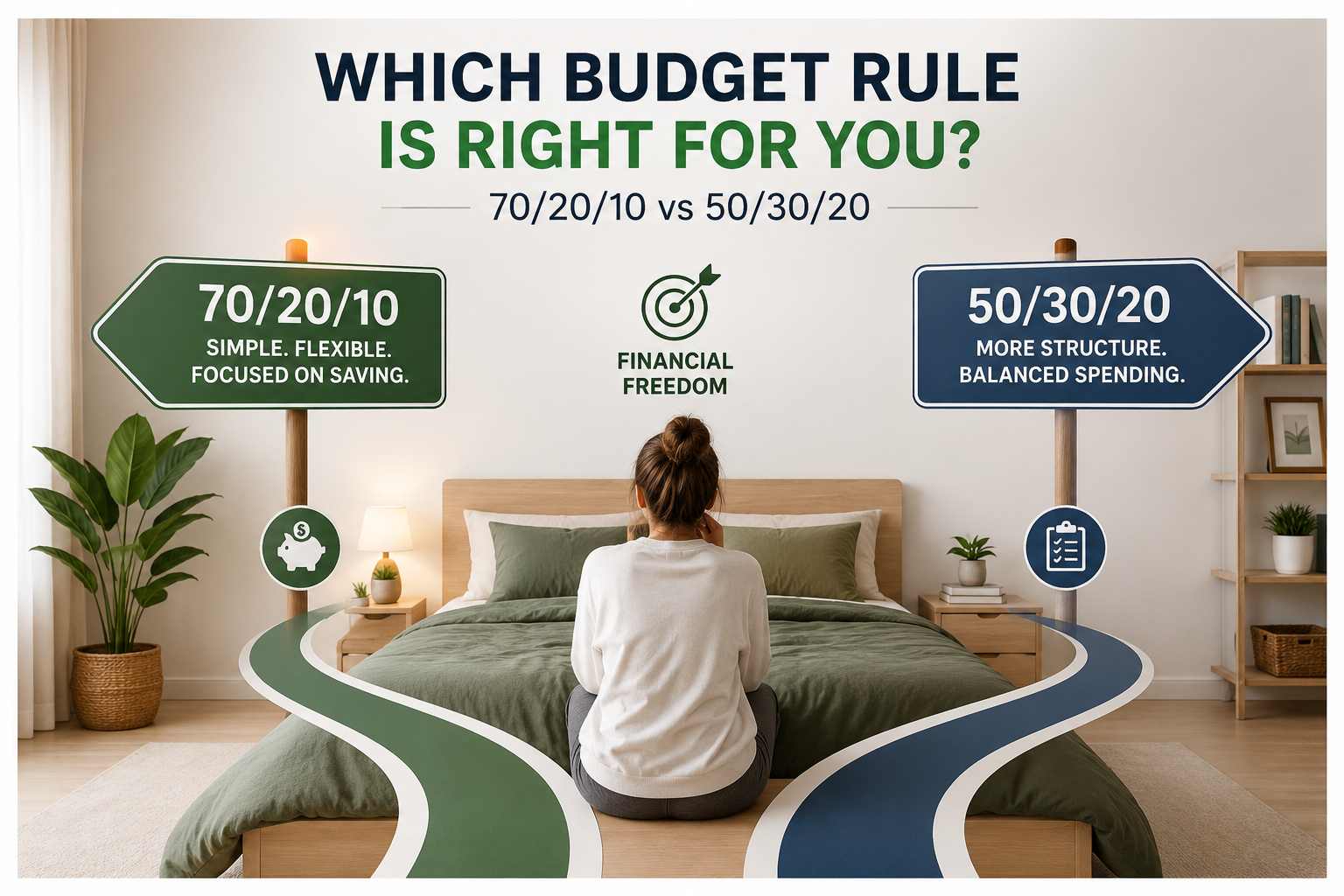
The idea of saving 20% became popular through the 50/30/20 budget rule, which suggests dividing your after-tax income like this:
50% for needs
30% for wants
20% for savings and debt repayment
This framework is simple enough for beginners while still encouraging consistent progress toward financial goals. However, it’s meant to be a starting point—not a rule carved in stone.
What Counts Toward Your 20%?
Many people assume the full 20% must go into a savings account, but that’s not necessarily true.
Your savings category can include:
Emergency fund contributions
Retirement savings
Investment accounts
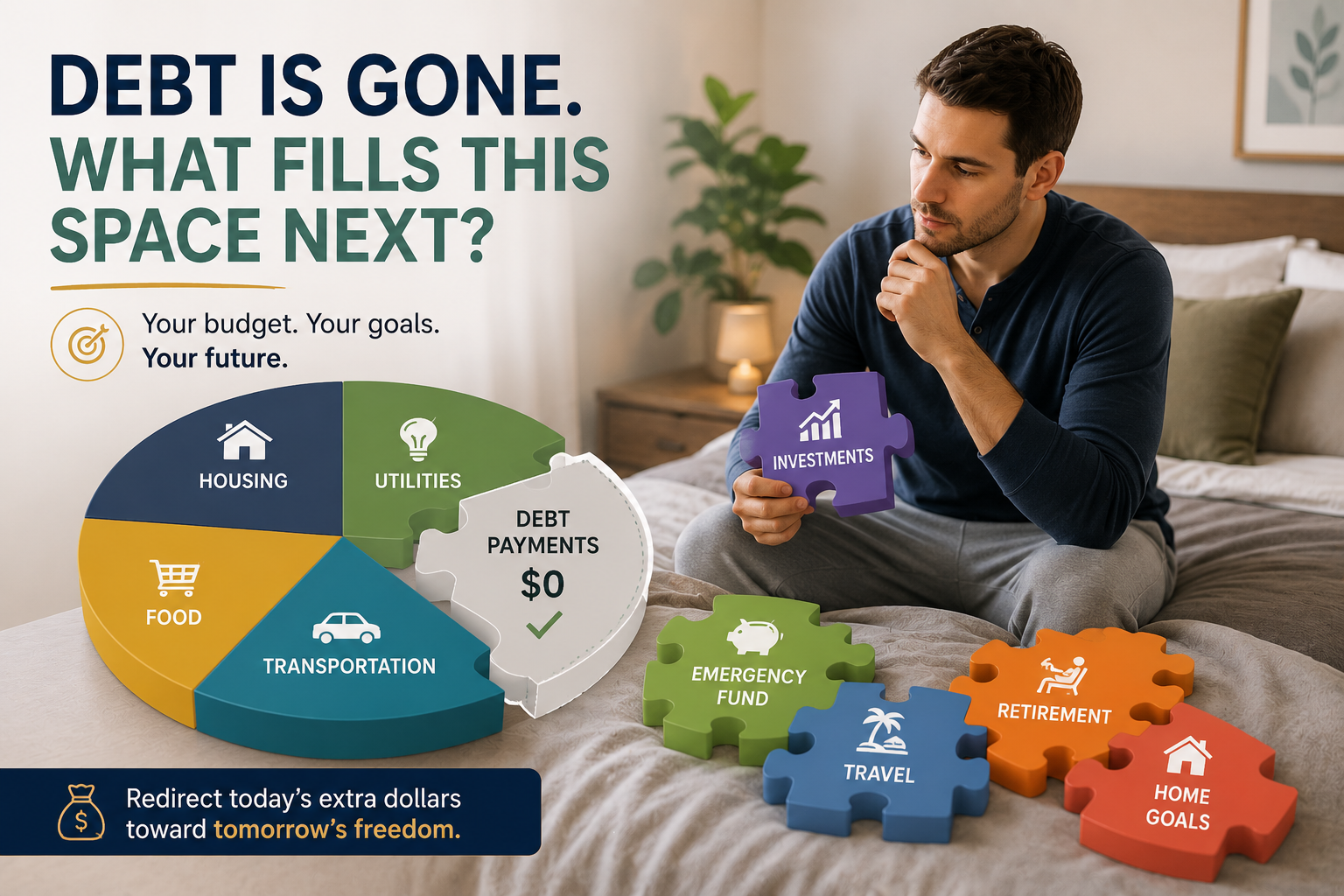
Extra debt payments
Down payment savings
Education savings
Sinking funds for future expenses
The important thing is that you’re improving your long-term financial position.
When Saving 20% Is Enough
For many households, saving 20% is an excellent target.
It may be enough if:
You have little or no high-interest debt.
Your emergency fund is already established.
You’re contributing regularly toward retirement.
You’re living comfortably within your means.
You’re not planning an unusually expensive financial goal in the near future.
Consistency often matters more than chasing an unrealistic savings percentage that you can’t maintain.
When 20% Might Not Be Enough
There are situations where saving more than 20% makes sense.
You’re Starting Late
If you begin saving for retirement in your 40s or 50s, you may need a higher savings rate to reach your target.
You Want Financial Independence Early
People pursuing early retirement often save 40–60% of their income.
You’re Planning a Major Purchase
Buying a home, starting a business, or paying for higher education may require temporarily increasing your savings rate.
Your Income Is High
As income rises, lifestyle inflation often follows. Increasing your savings percentage instead of your spending can accelerate wealth building.
What If You Can Only Save 10%?
That’s perfectly okay.
Saving something is always better than saving nothing.
Many people begin with:
5%
10%
15%
and gradually increase their savings every time they receive a raise.
Trying to save too aggressively can make a budget difficult to maintain, which is one reason many people struggle to stick to a budget over the long term.
Should You Save More Than 20%?
If your essential expenses are already covered and you have no high-interest debt, increasing your savings rate can help you:
Reach financial goals sooner
Build wealth faster
Reduce financial stress
Create more flexibility in your career
Prepare for unexpected opportunities
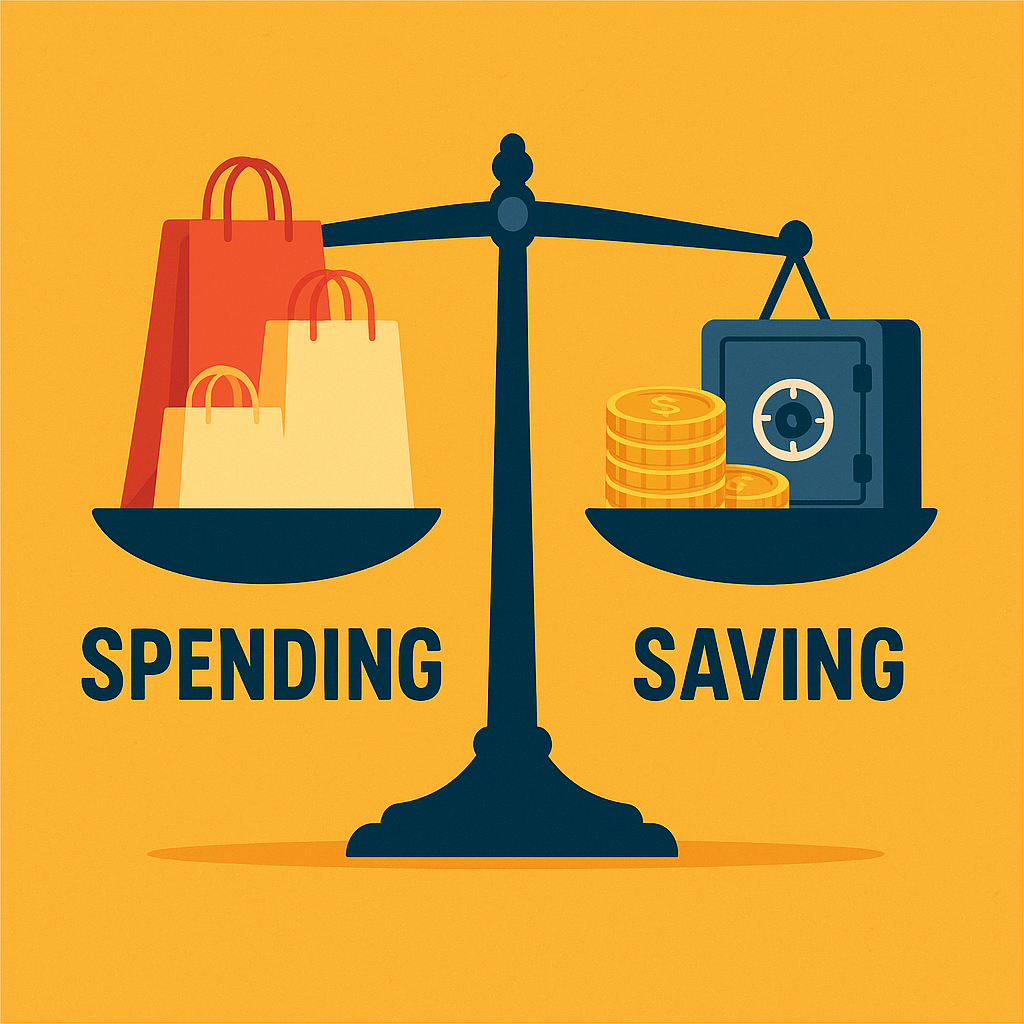
The key is finding a balance that still allows you to enjoy your life today.
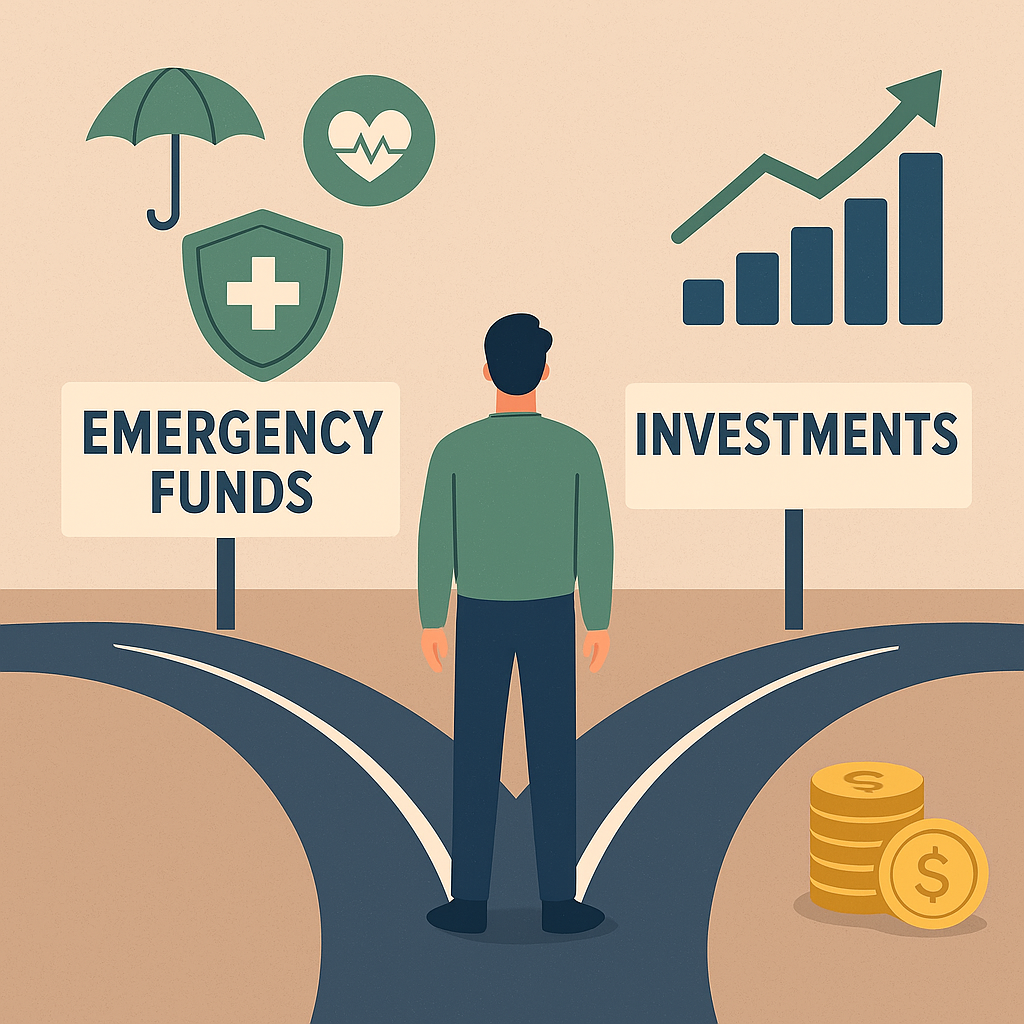
Savings vs Investing
Not every dollar should remain in a savings account forever.
Finding the right balance between emergency funds vs. investments depends on your financial goals and risk tolerance.
Signs You’re Saving Enough
Instead of focusing only on a percentage, ask yourself these questions:
Am I consistently saving every month?
Do I have enough cash for emergencies?
Am I making progress toward retirement?
Can I cover unexpected expenses without debt?
Am I still enjoying my lifestyle?
If you answered yes to most of these questions, your savings strategy is probably working.
How to Increase Your Savings Rate
If you’d like to move closer to 20%, small changes can make a significant difference.
Automate Your Savings
Setting up automatic transfers removes the temptation to spend first.
Review Your Monthly Expenses
Many households discover subscriptions and recurring charges they no longer use.
Increase Savings After Every Raise
Instead of spending every pay increase, direct part of it toward savings.
Follow a Monthly Budget
Knowing exactly where your money goes each month makes it much easier to identify opportunities to save.
Example Savings Rates
Annual Income
10% Savings
20% Savings
30% Savings
$40,000
$4,000
$8,000
$12,000
$60,000
$6,000
$12,000
$18,000
$80,000
$8,000
$16,000
$24,000
$100,000
$10,000
$20,000
$30,000
Remember that percentages matter more than dollar amounts because everyone’s income is different.
Final Thoughts
Saving 20% of your income is an excellent benchmark, but it shouldn’t become a source of stress. The right savings rate is the one that supports your financial goals while remaining realistic enough to maintain year after year.
Whether you’re building your first emergency fund, paying off debt, or investing for retirement, consistency is far more important than perfection. Tracking your income and expenses with a monthly budget can help you see exactly how much you’re saving and identify opportunities to improve over time.
If you’re unsure where your money is going each month, our Monthly Budget Calculator can help you create a personalized budget, track your savings rate, and plan for both short-term needs and long-term financial goals.