7 Signs You’re Living Paycheck to Paycheck Without Realizing It

When people hear the phrase “living paycheck to paycheck,” they often imagine someone struggling to pay bills or constantly running out of money.
 sanket.bachke@gmail.com
When people hear the phrase “living paycheck to paycheck,” they often imagine someone struggling to pay bills or constantly running out of money.
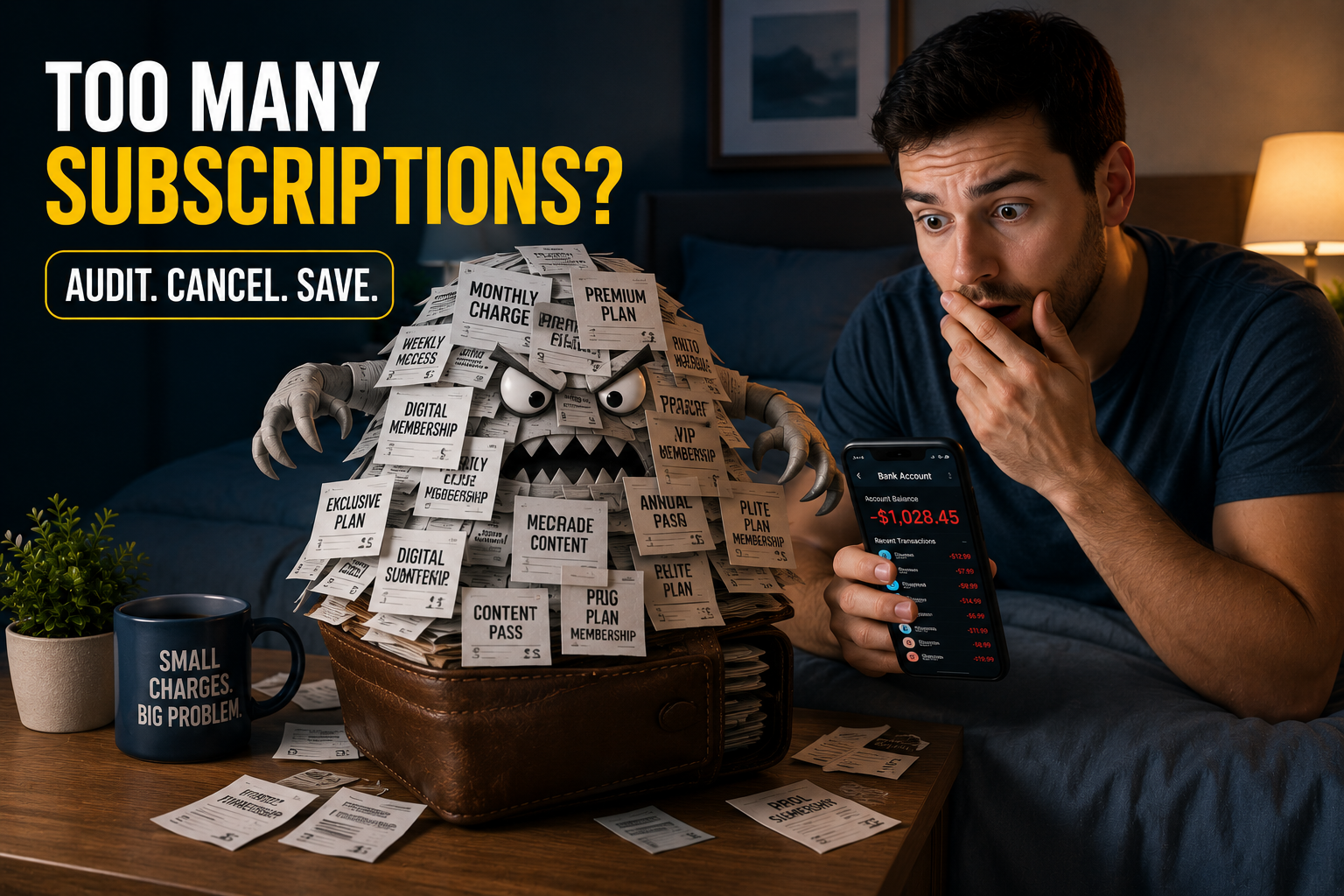
Subscriptions have become a normal part of everyday life. From streaming services and cloud storage to fitness apps and meal delivery plans, recurring payments make it easy to access products and services without large upfront costs.

Quitting your job can be exciting. Whether you’re planning to start a business, switch careers, travel, go back to school, or simply take a break, leaving a steady paycheck behind is a major financial decision.
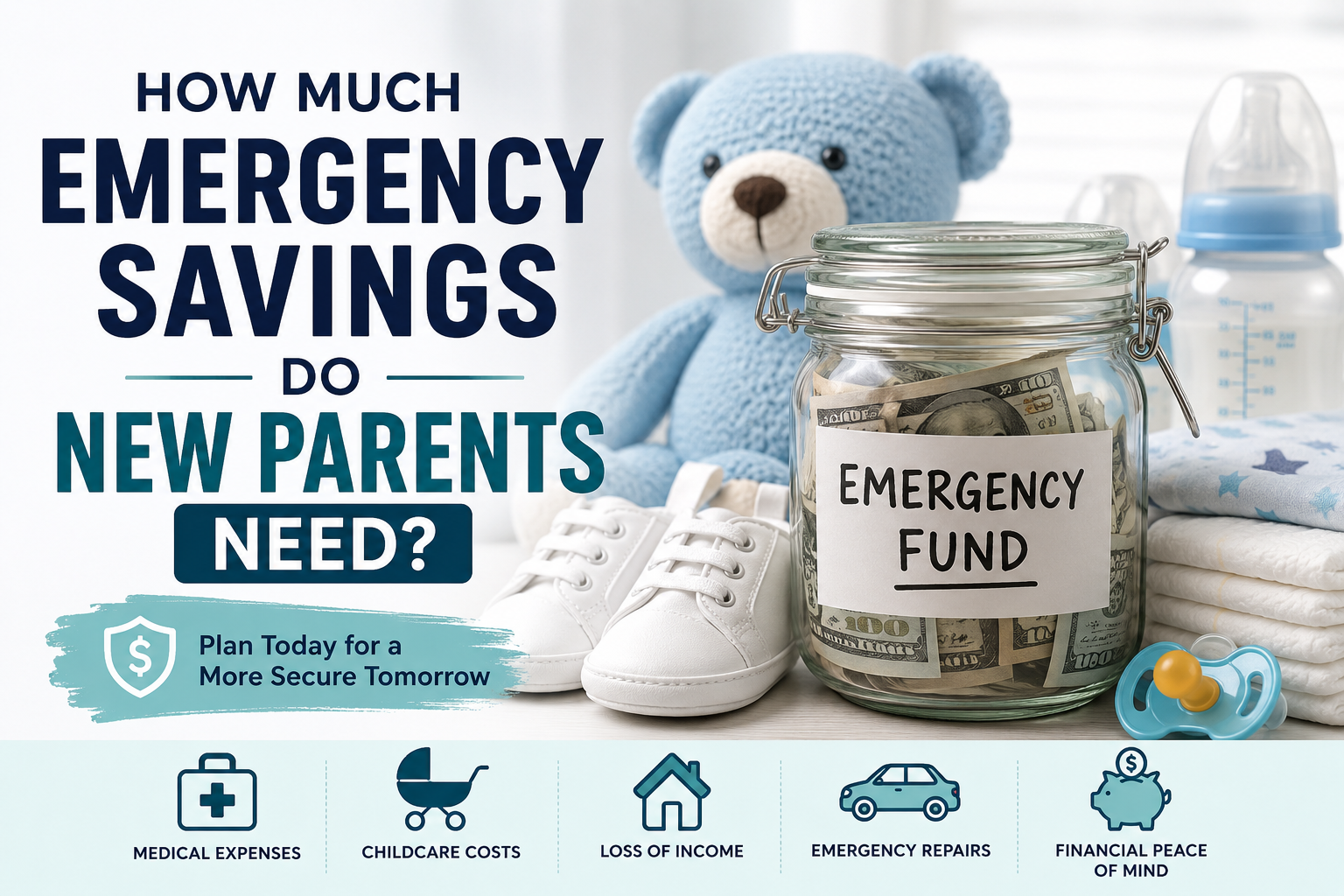
Becoming a parent is one of life’s most exciting milestones, but it also comes with a long list of new financial responsibilities. Between medical bills, baby gear, childcare costs, and the possibility of reduced income during parental leave, many new parents wonder the same thing:

An emergency fund is supposed to give you peace of mind. But if your savings account isn’t large enough to handle life’s surprises, it may be providing a false sense of security.
Many people assume that having any amount saved means they’re prepared for emergencies. Unfortunately, unexpected expenses don’t care how much you hoped to save. A car repair, medical bill, or job loss can quickly expose the cracks in a small emergency fund.
If you’re wondering whether your emergency savings are enough, here are seven warning signs that your emergency fund may be too small.
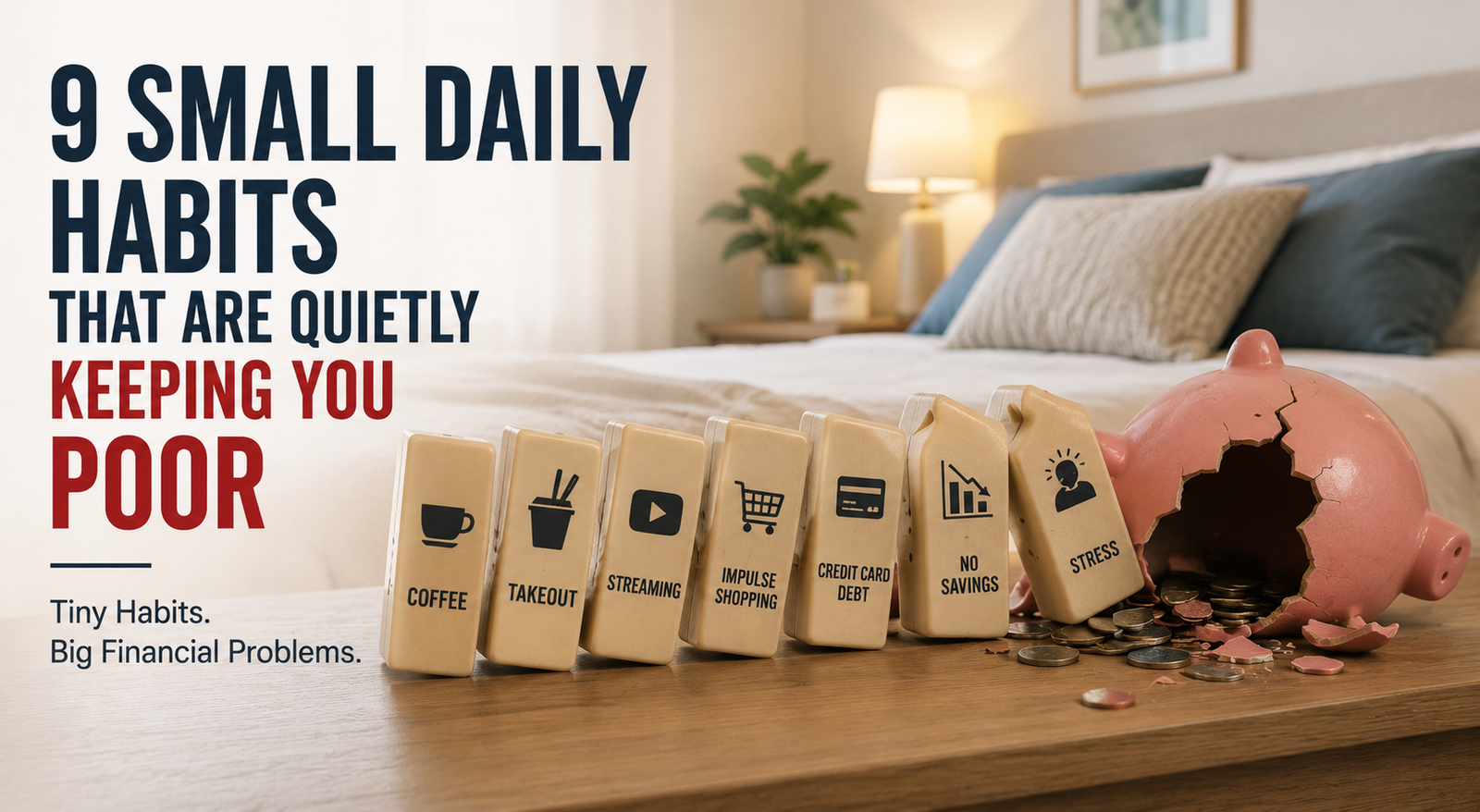
Most people don’t wake up one day and decide to sabotage their finances.
Instead, money problems often come from small daily habits that seem harmless on their own. A few dollars here, a little procrastination there, and before you know it, months or even years have gone by without much financial progress.
The good news? Small habits work both ways. Just as tiny mistakes can hold you back, small improvements can help you move forward.
Here are nine everyday habits that may be quietly keeping you poor.
Saving money is smart, but saving money without a purpose can sometimes create confusion.
One of the biggest mistakes people make is treating an emergency fund and a sinking fund as the same thing. While both help you prepare for future expenses, they serve very different purposes.
Understanding the difference can help you avoid unnecessary debt, reduce financial stress, and make your money work more effectively.
Here’s what you need to know.

Budgeting advice often makes it sound like you need to monitor every penny, categorize every purchase, and update spreadsheets like it’s a full-time job. No wonder so many people give up after a few weeks.
But what if you could get most of the benefits of budgeting without obsessing over every cup of coffee?
That’s where the 80/20 Rule of Budgeting comes in. Inspired by the Pareto Principle, this approach suggests that roughly 80% of your financial results come from just 20% of your money decisions. In other words, a few key spending habits have a much bigger impact on your finances than dozens of small purchases.

In a world dominated by debit cards, mobile wallets, and online banking, keeping physical cash at home may seem old-fashioned.
But when power outages, severe weather, internet disruptions, or unexpected emergencies occur, cash can quickly become one of your most valuable assets.
So, how much cash should you actually keep at home?
The answer depends on your expenses, household size, and comfort level, but most people don’t need thousands of dollars hidden under the mattress.
Here’s how to determine the right emergency cash amount for your situation.

our checking account is designed to make everyday spending easy.
But if you’re keeping too much money in it—or too little—you could be creating unnecessary financial problems.